Record Power Demand in Kerala Amidst Heatwave and Gas Shortage
Synopsis
Kerala faces a historic spike in electricity demand as relentless heat and a cooking gas shortage push residents and small businesses to electric appliances. This unprecedented situation raises concerns about supply and health amid soaring temperatures.
Key Takeaways
Kerala's peak power demand reached 6,012 MW.
A severe heat wave is driving electricity consumption.
There is a significant reliance on imported electricity.
Health risks from heat are increasing in the state.
The Kerala State Electricity Board is navigating supply challenges.
Thiruvananthapuram, April 15 (NationPress) Kerala is experiencing an extraordinary increase in electricity usage as a severe heat wave, combined with a shortage of cooking gas, forces households and small enterprises to depend more heavily on electric appliances.
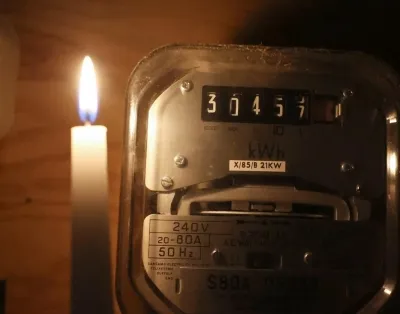
This has led the state to achieve a peak power demand of 6,012 MW on Tuesday evening, setting a new record that eclipsed Monday’s 5,933 MW.
The total daily consumption also hit a monthly peak of 112.52 million units.
Of this amount, a significant 87.42 million units were imported from outside the state, highlighting Kerala’s increasing reliance on external energy supplies.
In contrast, local generation, which includes hydropower, contributed merely 25.09 million units.
As consumption continues to escalate, the Kerala State Electricity Board finds itself in disarray and unsure about how to proceed.
The surge in demand is attributed not only to the oppressive heat but also to changing cooking habits.
In Kerala, the use of induction cookers is prevalent, and due to the ongoing shortage of LPG cylinders, many families have transitioned to electric stoves.
This trend is particularly noticeable among roadside eateries and tea stalls, which are common throughout the state, many of which have temporarily ceased using cooking gas in favor of electric alternatives.
Despite the rising power consumption, the heat persists with no relief in sight.
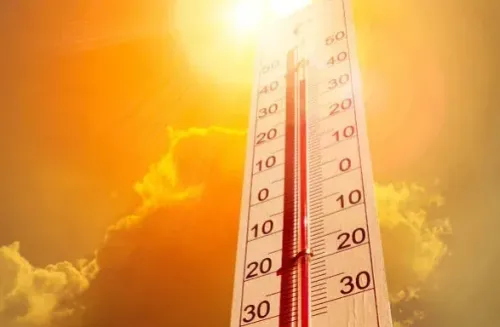
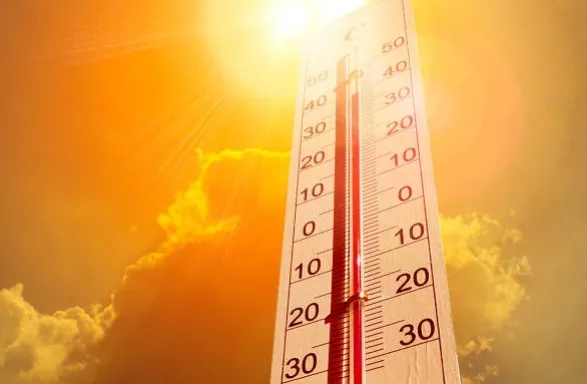
On Vishu day (Wednesday), large sections of the state remained under extreme temperature alerts, with 12 districts affected.
Palakkad recorded a blistering 40 degrees Celsius for the second time this season.
Kollam reported temperatures of 38 degrees Celsius, while Kannur and Kottayam exceeded 37 degrees Celsius.
Compounding the discomfort, the ultraviolet index has reached hazardous levels at four monitoring stations, raising alarms about prolonged exposure.
Health authorities have noted an uptick in heat-related issues, including dehydration, fatigue, and sunburn.
With both temperatures and power demand on the rise, the state faces a daunting challenge ahead in managing supply shortages amidst escalating consumption driven by climatic conditions and necessity.
Point of View
The current surge in electricity demand in Kerala highlights the urgent need for sustainable energy solutions amidst climate challenges. The intertwining of weather extremes and infrastructure weaknesses calls for strategic planning to ensure reliable energy access for all.
NationPress
20 Sept 2026
Frequently Asked Questions
What is causing the spike in power demand in Kerala?
The surge in power demand in Kerala is primarily due to a severe heat wave and a shortage of cooking gas, prompting households and businesses to rely more on electric appliances.
How high did Kerala's power demand reach recently?
Kerala recorded a peak power demand of 6,012 MW, the highest ever for the state.
What health concerns arise from the extreme heat in Kerala?
Health authorities have reported an increase in heat-related ailments such as dehydration, fatigue, and sunburn due to the extreme temperatures.
How is Kerala addressing the energy supply challenges?
The Kerala State Electricity Board is currently facing challenges in managing the rising power demand while dealing with supply constraints.
Which districts in Kerala are under heat alerts?
Twelve districts in Kerala are currently under high temperature alerts, with Palakkad experiencing temperatures as high as 40 degrees Celsius.