Has Mongolia's Measles Case Count Surpassed 14,000?

Synopsis
Discover the alarming rise in measles cases in Mongolia, where numbers have now exceeded 14,000. The National Centre for Communicable Diseases warns parents about the need for vaccinations to protect children against this highly contagious disease. Learn more about the symptoms, history, and prevention methods.
Key Takeaways
Measles cases in Mongolia have surpassed 14,000 .
The majority of cases are in school-aged children .
Parents should ensure their children receive two doses of the measles vaccine.
Measles is highly contagious and can remain active in the air for up to 2 hours .
The vaccine is safe and essential for preventing outbreaks.
Ulan Bator, Feb 9 (NationPress) The number of confirmed measles cases in Mongolia has surged to 14,123, as reported by the country's National Centre for Communicable Diseases (NCCD) on Monday.
The NCCD highlighted that most of the recent infections were observed among school-aged children who had received only a single dose of the measles vaccine.
To combat this, the NCCD recommends that parents ensure their children receive two doses of the vaccine to safeguard them against this potentially severe illness.
Measles is recognized as one of the most contagious diseases globally, transmitted through contact with infected respiratory droplets (coughing or sneezing) or inhaling air contaminated by an infected person. The virus remains viable and contagious in the air or on surfaces for up to two hours, making it highly infectious. One infected individual can lead to as many as 18 secondary infections, according to Xinhua news agency.
While measles can affect anyone, it is predominantly seen in children.
The most effective way to prevent illness and transmission is through vaccination. The vaccine is considered safe and enables the body to combat the virus.
Prior to the introduction of the measles vaccine in 1963, significant epidemics occurred approximately every two to three years, resulting in an estimated 2.6 million deaths annually.
In 2023, an estimated 107,500 deaths from measles occurred, primarily among children under five, despite the presence of a safe and affordable vaccine.
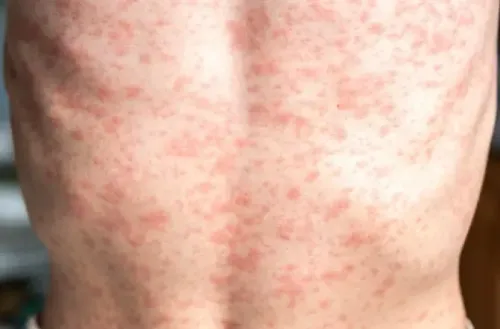
Symptoms typically appear 10–14 days after exposure to the virus, with a distinctive rash being the most visible symptom.
Initial symptoms often last between 4–7 days and include: runny nose, cough, red and watery eyes, and small white spots inside the cheeks.
The rash usually emerges 7–18 days post-exposure, starting on the face and upper neck, spreading over three days to the hands and feet, and typically lasting 5–6 days before fading.
Point of View
It is vital to highlight the increasing number of measles cases in Mongolia. This alarming trend calls for immediate action from parents and health authorities alike. Vaccination is the best defense against this highly infectious disease, and we must ensure that children receive their vaccinations to prevent further outbreaks.
NationPress
19 Sept 2026
Frequently Asked Questions
What is the current measles case count in Mongolia?
As of February 9, 2023, the confirmed measles cases in Mongolia stand at 14,123.
Who is most affected by measles?
School-aged children, especially those who have received only one dose of the measles vaccine, are primarily affected.
What should parents do to protect their children from measles?
Parents are advised to ensure their children receive two doses of the measles vaccine to reduce the risk of infection.
How is measles transmitted?
Measles is transmitted through respiratory droplets from coughing or sneezing and can remain contagious in the air or on surfaces for up to two hours.
What are the symptoms of measles?
Symptoms typically include a runny nose, cough, red and watery eyes, small white spots inside the cheeks, and a prominent rash.