Why is Mongolia Experiencing a Spike in Measles Cases?

Synopsis
Mongolia is witnessing a troubling rise in measles cases, with over 13,000 infections reported. The National Centre for Communicable Diseases urges parents to ensure their children receive proper vaccinations. The situation highlights the critical need for awareness and action against this highly contagious disease, especially among school-aged children.
Key Takeaways
Measles cases in Mongolia have surged to 13,861.
New infections are primarily among school-aged children.
Vaccination is crucial for preventing the disease.
Measles can lead to serious health complications, especially in children.
Public health awareness and action are needed.
Ulan Bator, January 8 (NationPress) The number of measles cases in Mongolia has reached 13,861 following the discovery of 8 new local infections reported within the last 24 hours, according to a statement from the country's National Centre for Communicable Diseases (NCCD) on Thursday.
A significant portion of these recent measles cases involves school-aged children, many of whom have only received a single dose of the measles vaccine, as highlighted by the NCCD.
In light of these developments, the NCCD has urged parents to safeguard their children against this potentially serious illness by ensuring they receive two doses of the measles vaccine, as reported by the Xinhua news agency.
Measles is a highly contagious viral infection that spreads easily through the air when an infected person breathes, coughs, or sneezes. This disease can lead to severe health complications and even fatality.
While measles can impact anyone, it is most prevalent among children.
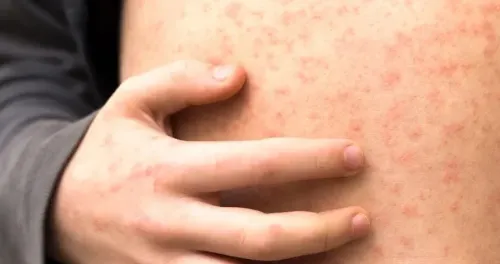
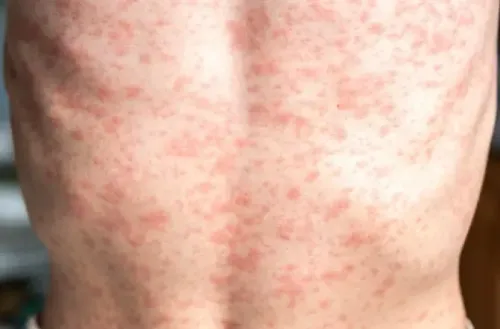
This virus initially infects the respiratory system before disseminating through the body. Typical symptoms include a high fever, cough, runny nose, and a widespread rash.
The most effective way to prevent measles infection and its transmission is through vaccination. The measles vaccine is safe and equips the body to combat the virus.
Prior to the introduction of the measles vaccine in 1963 and widespread immunization efforts, major outbreaks occurred approximately every two to three years, resulting in an estimated 2.6 million deaths annually.
In 2023 alone, it is estimated that 107,500 individuals lost their lives to measles, predominantly children under five, despite the availability of a safe and affordable vaccine.
Symptoms of measles typically manifest 10-14 days post-exposure to the virus. A noticeable rash is often the most apparent indicator.
Initial symptoms generally persist for 4-7 days and may include: a runny nose, cough, red and watery eyes, and small white spots inside the cheeks.
The rash typically surfaces 7-18 days after exposure, beginning on the face and upper neck. It spreads over approximately three days, ultimately reaching the hands and feet, and typically lasts 5-6 days before fading away.
Point of View
I firmly believe that the rising measles cases in Mongolia represent a significant public health concern. It is imperative that we prioritize vaccination efforts and educate the public on the importance of protecting our children from preventable diseases. The health and safety of our communities depend on taking proactive measures against outbreaks like this.
NationPress
19 Sept 2026
Frequently Asked Questions
What are the symptoms of measles?
Symptoms of measles typically include a high fever, cough, runny nose, red and watery eyes, and a rash that appears days after exposure.
How can measles be prevented?
The most effective way to prevent measles is through vaccination. Children should receive two doses of the measles vaccine.
Who is most at risk for measles?
While measles can affect anyone, children, especially those who have not been fully vaccinated, are at the highest risk.
What is the impact of measles?
Measles is highly contagious and can lead to severe complications, including pneumonia and encephalitis, and it can be fatal.
When did the measles vaccine become available?
The measles vaccine was introduced in 1963 and has significantly reduced the incidence of the disease.