MP Governor orders school-based sickle cell screening after 1.34 crore tested
Synopsis
Madhya Pradesh has screened 1.34 crore people for sickle cell disease — but Governor Mangubhai Patel says children are being missed. His new directive targets schools and Anganwadi centres, ropes in MPs, MLAs, and college students as Sickle Mitras, and comes alongside a reported 89% TB cure rate, positioning MP as a test case for India's 2047 elimination goal.
Key Takeaways
Madhya Pradesh has screened 1.34 crore people for sickle cell disease so far.
Governor Mangubhai Patel directed officials on 16 September to prioritise children's screening through camps at primary schools and Anganwadi centres .
92% of those screened have been issued genetic status cards, according to Deputy CM Rajendra Shukla .
4,825 Sickle Mitras have been enrolled under the state's community awareness initiative, with plans to increase the number.
Madhya Pradesh's tuberculosis cure rate has reached 89% , with the mortality rate also declining.
The review was conducted under the framework of the National Sickle Cell Elimination Mission 2047 and the National TB Elimination Programme .
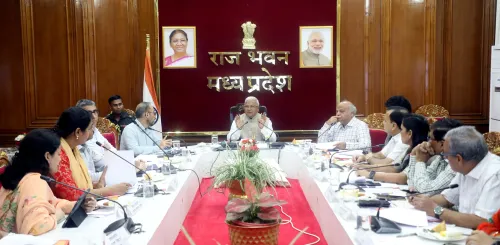
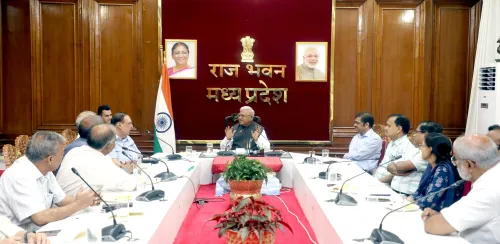
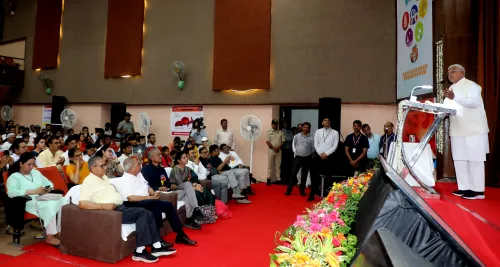
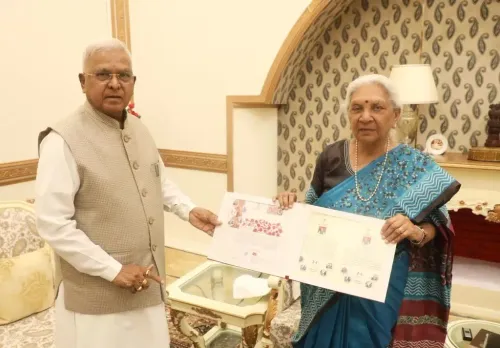
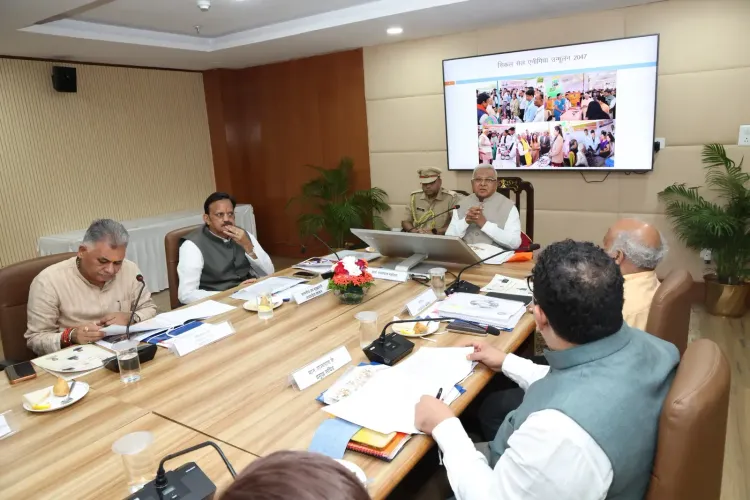
Madhya Pradesh Governor Mangubhai Patel on Wednesday, 16 September directed state officials to prioritise sickle cell disease screening for children through dedicated camps at primary schools and Anganwadi centres, as the state disclosed it has already screened 1.34 crore people for the genetic disorder. The directive came during a review of the National Sickle Cell Elimination Mission 2047 and the National Tuberculosis Elimination Programme held at Lok Bhawan in Bhopal.
Governor's Key Directives
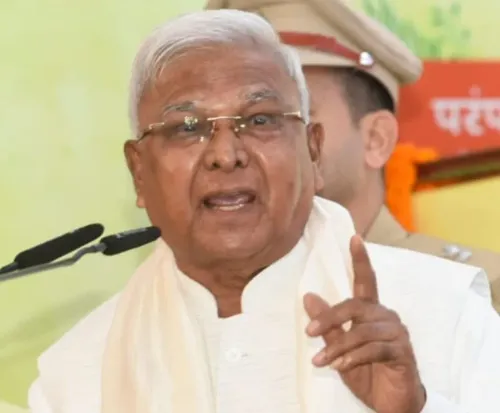
Governor Patel stressed that early identification — covering both children who are affected by the disorder and those carrying the sickle cell trait — is critical for timely counselling and follow-up care. He called for stronger participation from elected representatives, suggesting that officials coordinate with Members of Parliament and Members of the Legislative Assembly to mobilise resources and funding for health camps in their constituencies.
Patel also pushed for a youth-led awareness drive, urging universities and colleges to encourage students to enrol as Sickle Mitras — community health volunteers under the state's awareness initiative. 'Awareness is the most important component in the fight against sickle cell disease and tuberculosis. Youth should be actively involved in spreading awareness in society,' the Governor said.
State's Progress on Screening and Genetic Cards
Deputy Chief Minister Rajendra Shukla, who participated in the review meeting, reported that 92 per cent of the people screened across Madhya Pradesh had been issued genetic status cards. He added that 4,825 Sickle Mitras had already been enrolled under the awareness programme, with ongoing efforts to expand that number further.
Notably, sickle cell disease disproportionately affects tribal communities across central India, making Madhya Pradesh — home to one of the country's largest tribal populations — a critical front in the national elimination drive.
Tuberculosis Elimination: Progress and Targets
Deputy Chief Minister Shukla also highlighted progress on tuberculosis control, stating that the state's TB cure rate has reached 89 per cent and that the mortality rate has declined. The National TB Elimination Programme aims to eliminate tuberculosis from India by 2025 — a deadline that the Centre has acknowledged requires sustained state-level implementation to achieve.
What Comes Next
With the National Sickle Cell Elimination Mission's 2047 deadline in focus, officials are expected to expand school and Anganwadi-level screening camps and broaden the Sickle Mitra network. The Governor's emphasis on elected representatives and youth volunteers signals a push toward community-driven delivery rather than facility-only outreach. How quickly these camps can be scaled — particularly in remote tribal districts — will determine the programme's real reach.
Point of View
But the Governor's pivot to schools and Anganwadi centres exposes the gap that matters most: children — who are both the highest-risk group for undetected trait carriage and the most actionable cohort for long-term elimination — have not been reached at scale. The instruction to involve MPs and MLAs in resource mobilisation is pragmatic, but also an implicit admission that the health system alone cannot cover MP's vast and predominantly rural tribal belt. The 2047 target is distant enough to appear achievable, but without granular district-level data on coverage rates, the headline figure of 1.34 crore risks masking the communities that have been missed entirely.
NationPress
16 Sept 2026
Frequently Asked Questions
How many people has Madhya Pradesh screened for sickle cell disease?
Madhya Pradesh has screened 1.34 crore people for sickle cell disease as of the review meeting held on 16 September 2026. Of those screened, 92% have been issued genetic status cards.
What is the National Sickle Cell Elimination Mission 2047?
The National Sickle Cell Elimination Mission 2047 is a Government of India programme aimed at eliminating sickle cell disease from the country by the year 2047. It focuses on mass screening, genetic counselling, and community awareness, with a particular emphasis on tribal populations in states like Madhya Pradesh.
Why is child screening through schools and Anganwadi centres important?
Early identification of children who are either affected by sickle cell disease or carrying the trait allows for timely counselling and medical follow-up, preventing complications. Governor Patel stressed that strengthening school and Anganwadi-based screening is essential to catching cases that facility-only outreach misses.
What is a Sickle Mitra and how many have been enrolled in MP?
A Sickle Mitra is a community health volunteer enrolled under Madhya Pradesh's sickle cell awareness initiative to help spread information and support affected individuals. As of the 16 September review, 4,825 Sickle Mitras have been enrolled, with efforts underway to increase the number.
What is Madhya Pradesh's tuberculosis cure rate?
Madhya Pradesh's tuberculosis cure rate has reached 89% , according to Deputy Chief Minister Rajendra Shukla, who also noted that the state's TB mortality rate has declined. The progress was reported during the review of the National Tuberculosis Elimination Programme at Lok Bhawan, Bhopal.