Nepal's Central Zoo shut indefinitely after bird flu hits 12+ animals
Synopsis
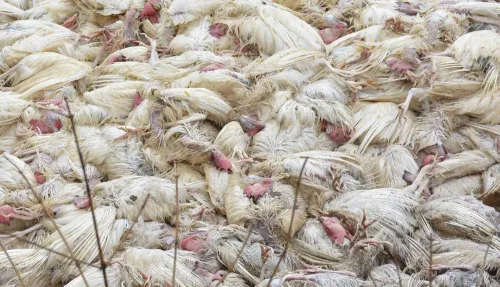
Nepal's Central Zoo — one of the Kathmandu Valley's top attractions — has shut its gates indefinitely after bird flu was confirmed in over a dozen animals including leopard cats and civets. The closure is part of a wider outbreak that has already forced the destruction of nearly half a million birds and almost 7 lakh eggs across 10 districts since March 2025.
Key Takeaways
Nepal's Central Zoo in Kathmandu Valley closed indefinitely from 20 June after bird flu was confirmed in more than 12 birds and animals .
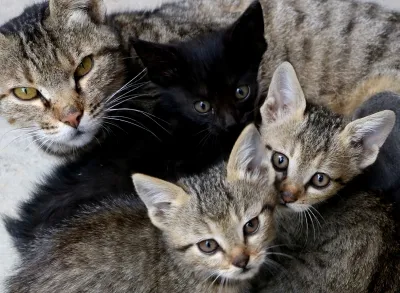
Infected animals include mostly birds and a few mammals — leopard cats , jungle cats , and civets .
The zoo is expected to remain shut for at least one week , with possible extension based on risk assessment.
Nepal's bird flu outbreak began on 18 March 2025 in Morang district, Koshi Province , and has since spread to 10 districts affecting 55 poultry farms .
Authorities have destroyed 4,79,156 birds , 6,94,193 eggs , and 1,82,775 kg of animal feed so far.
No mass culling of zoo animals is planned; no human cases have been reported.
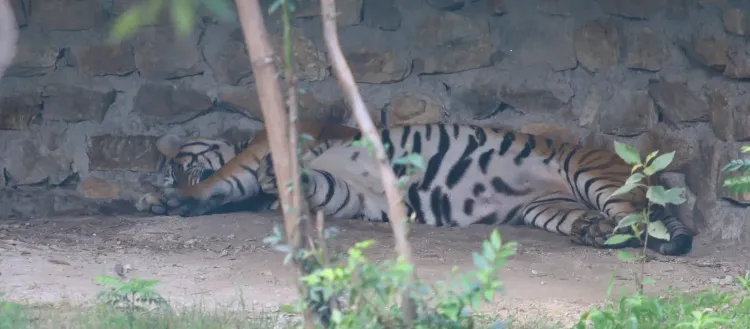
Nepal's Central Zoo in the Kathmandu Valley has been closed indefinitely since Friday, 20 June after avian influenza (bird flu) was confirmed in more than a dozen birds and animals on the premises. The closure, announced by zoo authorities in a late-night notice, is aimed at protecting the health and safety of visitors and the general public.
What Triggered the Closure
The National Trust for Nature Conservation, which operates the Central Zoo, confirmed that infected animals include mostly birds along with a few mammals — specifically leopard cats, jungle cats, and civets. Ganesh Koirala, Information Officer at the Central Zoo, said the facility has been shut for disinfection. 'The zoo is expected to remain closed for at least one week, and it may be prolonged depending on the risk,' he said.
Scale of Nepal's Bird Flu Outbreak
The infection at the zoo is part of a wider outbreak that first surfaced in eastern Morang district of Koshi Province on 18 March this year. Since then, according to the Department of Livestock Services, at least 55 poultry farms across 10 districts have been affected. Authorities have been forced to destroy 4,79,156 birds and 6,94,193 eggs, along with 1,82,775 kg of animal feed.
Spread to Kathmandu Valley
Animals at the zoo were infected as the disease spread into the Kathmandu Valley in recent days, marking a geographic escalation of the outbreak. The Department of Livestock Services noted that while the situation in Koshi Province appears contained, 'the increasing number of affected farms in the Kathmandu Valley highlights continued transmission dynamics and underscores the need for strengthened biosecurity, surveillance, and response interventions.'
No Mass Culling Planned
Unlike standard protocol at commercial poultry farms, zoo authorities have not announced any plan for wholesale culling of the infected animals. This approach reflects the conservation value of the zoo's residents, though it may extend the disinfection timeline. The Central Zoo is one of the Kathmandu Valley's most visited attractions, drawing students, tourists, and families year-round.
Public Health Context
Health officials note that while human-to-human transmission of bird flu remains rare, there are documented instances of people in sustained daily contact with infected birds contracting the virus. Authorities have not reported any human cases linked to the current outbreak. The situation will continue to be monitored as the zoo undergoes disinfection.
Point of View
While understandable from a conservation standpoint, adds uncertainty to the disinfection timeline. With no human cases reported yet, the immediate public health risk appears low, but the outbreak's steady westward march warrants closer scrutiny than official statements of 'containment' suggest.
NationPress
19 Sept 2026
Frequently Asked Questions
Why has Nepal's Central Zoo been closed?
Nepal's Central Zoo in Kathmandu has been closed indefinitely after avian influenza (bird flu) was confirmed in more than a dozen birds and animals on the premises. The closure, effective from 20 June, is for disinfection and to protect public health.
Which animals at the Central Zoo were infected with bird flu?
The infected animals are mostly birds, along with a few mammals including leopard cats, jungle cats, and civets, according to zoo information officer Ganesh Koirala.
How long will Nepal's Central Zoo remain closed?
The zoo is expected to remain closed for at least one week, according to officials. The closure may be extended depending on the outcome of disinfection and ongoing risk assessment.
How widespread is the bird flu outbreak in Nepal?
Nepal's bird flu outbreak began on 18 March 2025 in Morang district of Koshi Province and has since spread to at least 55 poultry farms across 10 districts. Authorities have destroyed 4,79,156 birds, 6,94,193 eggs, and 1,82,775 kg of animal feed.
Is there a risk of bird flu spreading to humans in Nepal?
Human-to-human transmission of bird flu is rare, though people in sustained daily contact with infected birds can contract the virus in some cases. No human cases have been reported in connection with Nepal's current outbreak.