Why Did the Philippines Ban Pork Imports from Spain Due to ASF Outbreak?
Synopsis
The Philippines has temporarily banned all pig and pork imports from Spain due to a confirmed outbreak of African Swine Fever. This decision aims to protect domestic pig populations and prevent the virus from entering the country. Despite concerns, officials assure that pork supply will remain stable during the Christmas season, safeguarding both food security and public health.
Key Takeaways
The Philippines has banned pork imports from Spain due to ASF.
Cold storage levels are sufficient to meet holiday demand.
ASF is a serious threat to pig populations but does not affect human health.
Proactive measures are in place to safeguard food security.
Only frozen pork products produced before November 11 are allowed entry.
Manila, Dec 8 (NationPress) The Philippines has enacted a temporary prohibition on all pig and pork imports from Spain following a verified outbreak of African Swine Fever (ASF) in the European nation, as announced by the country's Department of Agriculture.
Agriculture Secretary Francisco Tiu Laurel stated that the import suspension, which includes live pigs, pork meat, skin, and semen for artificial insemination, will not disrupt supply or cause a price increase during the holiday season.
“Cold storage is full,” Tiu Laurel informed reporters, emphasizing that the stock levels are more than adequate to satisfy the anticipated rise in festive demand.
The ban was implemented after Spain's veterinary authorities notified the World Organisation for Animal Health on November 28 regarding ASF cases found among wild pigs in Sabadell, Valles Occidental in Barcelona.
Tiu Laurel noted that this moratorium is crucial to prevent the ASF virus's entry and to safeguard both domestic and wild pig populations.
All sanitary and phytosanitary permits for hog shipments from Spain have been automatically nullified to ensure food security and public health, he added.
According to the directive, only frozen pork products produced on or before November 11 and loaded, in transit, or accepted at port on or before December 4 may enter the Philippines. Shipments made post-November 11 will be sent back to Spain, as reported by Xinhua.
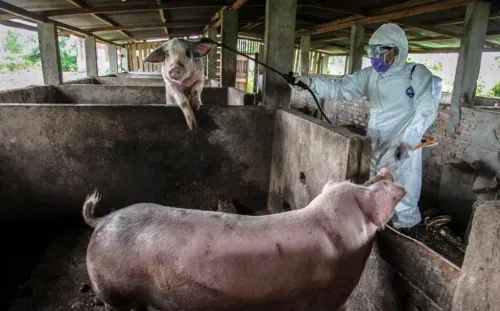
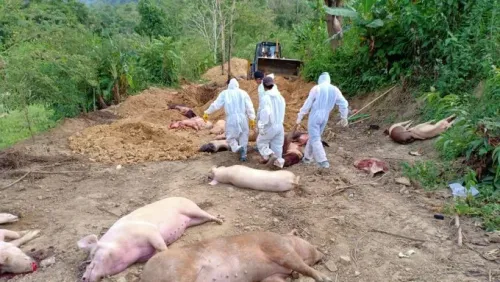
ASF is a highly contagious viral illness affecting both domestic and wild pigs, with a mortality rate that can reach up to 100 percent.
While it does not pose a threat to human health, it has catastrophic impacts on pig populations and the agricultural economy.
The virus is highly resilient in the environment, capable of surviving on clothing, footwear, wheels, and other materials. It can also persist in various pork products, such as ham, sausages, or bacon. Hence, human behavior can significantly contribute to the cross-border spread of this swine disease if proper precautions are not taken.
Pigs serve as a vital source of income for households in many nations. The global spread of ASF has devastated family-owned pig farms, often central to people's livelihoods and a mechanism for upward mobility. It has also diminished access to healthcare and education opportunities.
Furthermore, pork is one of the primary animal protein sources, constituting over 35 percent of global meat consumption. Thus, this disease presents a significant challenge to food security globally.
This outbreak also raises concerns for biodiversity and ecosystem balance, affecting not only farmed pigs but also wild boars, including native breeds.
Point of View
The Philippines' decision to prohibit pork imports from Spain is a necessary precaution to protect local agriculture. The proactive measures taken by the Department of Agriculture reflect a commitment to food security and public health, ensuring that domestic pig populations remain safeguarded from the threat of ASF.
NationPress
21 Sept 2026
Frequently Asked Questions
What is African Swine Fever?
African Swine Fever (ASF) is a highly contagious viral disease affecting domestic and wild pigs, with a mortality rate that can reach 100%. While it poses no threat to human health, it significantly impacts pig farming and food security.
Why did the Philippines ban pork imports from Spain?
The ban was instituted following the confirmation of ASF cases in wild pigs in Spain, aimed at preventing the virus's entry into the country and protecting local pig populations.
Will the pork supply be affected during the holiday season?
According to Agriculture Secretary Tiu Laurel, the pork supply remains stable, as cold storage levels are sufficient to meet the anticipated holiday demand.
What products are included in the import ban?
The import ban covers live pigs, pork meat, skin, and semen used for artificial insemination from Spain.
How long will the ban last?
The ban is temporary and will remain in effect until the threat of ASF is adequately managed and assessed.