Supreme Court Disposes of Petition on Adult Dyslexia Testing Amid Ongoing Research
Synopsis
The Supreme Court of India has closed a petition regarding the lack of assessment tools for adult dyslexia, while noting that research is in progress to develop suitable testing mechanisms. This decision underscores the ongoing efforts to address specific learning disabilities in adults.
Key Takeaways
Supreme Court dismisses petition on adult dyslexia assessment.
Research underway to create suitable testing tools for adults.
NIMHANS confirms development of assessment mechanisms is in progress.
Petitioner’s academic achievements noted, indicating limited impact of the disability.
Opportunity for revival of proceedings if no advancements occur within three years.
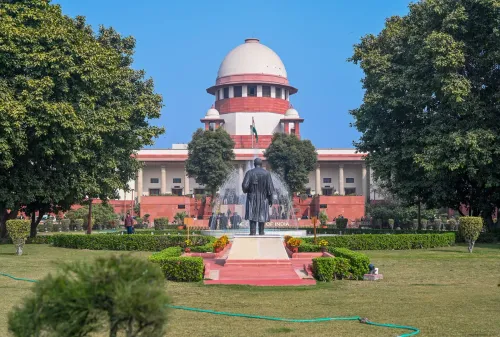
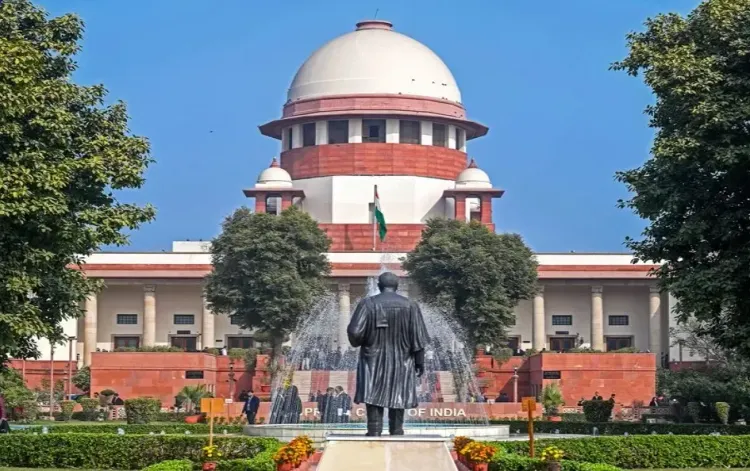
New Delhi, April 18 (NationPress) The Supreme Court has dismissed a writ petition that highlighted the lack of evaluation methods for identifying specific learning disabilities, including dyslexia, in adults. The court acknowledged that research is actively being conducted to create suitable assessment tools for adult learners.
A panel of Justices Manoj Misra and Manmohan was reviewing a petition submitted by N. Sai Balaji under Article 32 of the Indian Constitution, which sought official action regarding the ineffective mechanisms currently in place for recognizing and certifying specific learning disabilities in adult individuals.
The Supreme Court noted that multiple requests made in the petition had become irrelevant due to the recent guidelines issued by the Ministry of Social Justice and Empowerment on March 12, 2024.
Justice Misra's panel acknowledged the petitioner’s remaining concern that existing frameworks for assessing specific learning disabilities primarily focus on children and do not cater to adults.
The court referenced its prior order, which mandated that the National Institute of Mental Health and Neurosciences (NIMHANS) provide updates on the progress made towards developing effective assessment tools for adult dyslexia.
NIMHANS, in its affidavit, confirmed that the assessment tools currently in use are mainly tailored for children. However, they informed the Supreme Court that they are working on research to create appropriate testing mechanisms for adults, which are anticipated to be available within a three-year timeframe.
Taking this into consideration, Justice Misra's panel concluded, “We find it suitable to close these proceedings while noting NIMHANS's commitment to developing assessment tests for identifying specific learning disabilities in adults, expected to be published within three years.”
The Supreme Court also acknowledged the academic accomplishments of the petitioner, noting that he had successfully earned a Ph.D. degree, suggesting that the reported disability had not severely hindered his academic journey.
“According to the petitioner’s own statements, he has successfully completed a Ph.D. degree. Thus, it appears that his claimed disability has not obstructed his life progress,” remarked the Justice Misra-led panel.
While dismissing the petition, the Supreme Court allowed the petitioner the opportunity to revive the proceedings should there be no advancements made within the specified timeframe.
“If there are no developments in this area in the next three years, the petitioner is entitled to seek the revival of these proceedings,” the order specified.
Point of View
It is crucial to highlight the Supreme Court's recognition of the need for effective assessment tools for adult dyslexia. This ruling reflects a growing awareness of specific learning disabilities in adults, which have long been overshadowed by children's needs. The ongoing research promises to pave the way for more inclusive educational frameworks.
NationPress
25 Sept 2026
Frequently Asked Questions
What was the petition about?
The petition raised concerns about the absence of assessment mechanisms for diagnosing specific learning disabilities, particularly dyslexia, in adults.
What did the Supreme Court decide?
The Supreme Court dismissed the petition but noted that research is ongoing to develop appropriate testing tools for adults.
Who filed the petition?
The petition was filed by N. Sai Balaji under Article 32 of the Indian Constitution.
What is NIMHANS's role in this matter?
NIMHANS has been tasked with developing assessment tools for adult dyslexia and reported that such tools are expected to be available within three years.
Can the petitioner revive the case later?
Yes, the Supreme Court granted the petitioner the right to seek revival of the proceedings if no progress is made within the next three years.