Tamil Nadu steps up Ebola surveillance at airports, hospitals after Centre advisory
Synopsis
Tamil Nadu has activated a state-wide Ebola preparedness response — isolation wards, airport screening, and healthcare worker training — following a Union Health Ministry advisory on EVD risk from Africa. No cases have been found in the state, but officials say rising international travel makes the precaution necessary.
Key Takeaways
Tamil Nadu has stepped up Ebola Virus Disease (EVD) surveillance at airports, ports, and government hospitals following a Union Health Ministry advisory.
The Directorate of Public Health and Preventive Medicine (DPH) has placed district health authorities on high alert to monitor travellers from Ebola-affected African countries .
Isolation wards and rapid response teams are on standby at major government hospitals; no EVD cases have been detected in the state.
Healthcare workers at medical colleges, district hospitals, and primary health centres are being trained on EVD symptoms, transmission, and infection control.
Travellers developing EVD symptoms within 30 days of arrival from affected regions are advised to seek immediate medical care and report to health officials.
Surveillance officers are monitoring fever clusters and unusual illness patterns, with strengthened coordination between airports, hospitals, and laboratories.
Tamil Nadu has intensified Ebola Virus Disease (EVD) surveillance across airports, ports, and government healthcare facilities following an advisory from the Union Health Ministry flagging the risk of EVD cases from certain African countries. The state has activated preparedness protocols even as no cases have been detected in Tamil Nadu so far.
Screening and Alert Measures
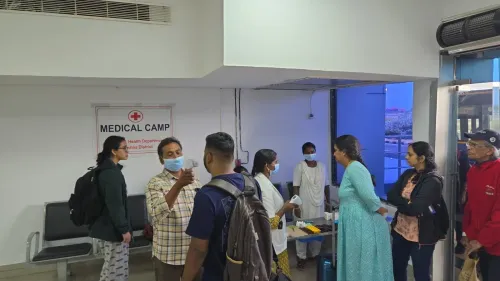
The Directorate of Public Health and Preventive Medicine (DPH) has directed district health authorities across the state to remain on high alert and closely monitor travellers arriving from Ebola-affected regions. Airport screening has been reinforced, with particular focus on passengers who have a recent travel history to countries reporting active infections.
Travellers from affected countries have been advised to report any symptoms promptly — whether during transit or after reaching their destination. Those who develop symptoms within 30 days of arrival are instructed to seek immediate medical attention and notify health authorities.
Hospital Readiness and Healthcare Worker Training
Isolation wards and rapid response teams have been placed on standby at major government hospitals to handle any suspected cases. Medical colleges, district headquarters hospitals, and primary health centres have been directed to sensitise healthcare workers about EVD — covering its symptoms, transmission routes, and infection-control protocols.
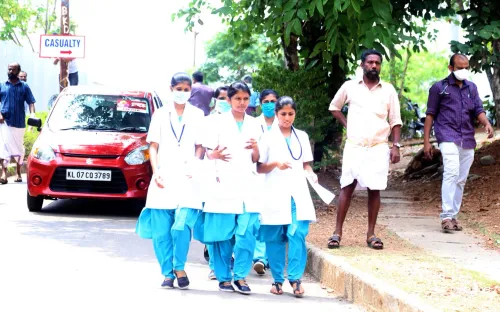
Training programmes for doctors, nurses, and field staff are under way to ensure early identification and immediate reporting of suspected infections. Health officials have emphasised strengthening frontline response capacity to minimise delays in detection and containment.
Symptoms and Transmission
Ebola is a highly serious viral disease spread through direct contact with the bodily fluids of infected individuals or contaminated surfaces. Symptoms include fever, severe weakness, muscle pain, headache, sore throat, vomiting, diarrhoea, skin rash, and — in severe cases — internal or external bleeding. Early recognition of these signs is critical to preventing onward transmission.
Surveillance and Coordination
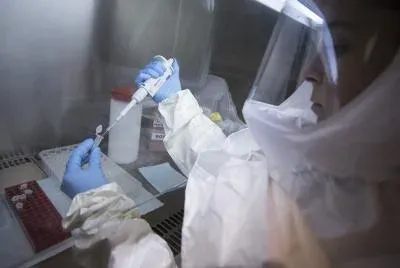
Surveillance officers have been instructed to monitor unusual illness patterns and fever clusters across districts. Coordination between airports, hospitals, and laboratories has been strengthened to enable rapid action if any suspected case emerges. The state has also launched public awareness campaigns on hygiene practices, symptom reporting, and travel-related precautions.
Officials noted that while Tamil Nadu has no recorded EVD cases, the rise in international travel makes heightened preparedness essential. With the Centre's advisory in place, the state's response reflects a precautionary, systems-wide approach to containing any potential outbreak at the earliest stage.
Point of View
And the Centre's advisory is a reminder that EVD's geographic spread has historically outpaced institutional readiness. The real test is not whether isolation wards exist on paper, but whether frontline staff at smaller district hospitals — where a febrile returning traveller is most likely to first present — can actually identify and escalate a suspected case. Training announcements are encouraging; verified drill outcomes would be more reassuring.
NationPress
26 Sept 2026
Frequently Asked Questions
Why has Tamil Nadu activated Ebola surveillance?
Tamil Nadu activated Ebola surveillance following an advisory from the Union Health Ministry warning of the possibility of Ebola Virus Disease cases linked to certain African countries. The state has taken precautionary steps even though no EVD cases have been detected within its borders.
What symptoms should travellers from Africa watch for?
Travellers should watch for fever, severe weakness, muscle pain, headache, sore throat, vomiting, diarrhoea, skin rash, and — in severe cases — internal or external bleeding. Anyone developing these symptoms within 30 days of arriving from an Ebola-affected region is advised to seek immediate medical attention and inform health authorities.
Which facilities are on alert in Tamil Nadu?
Airports, ports, medical colleges, district headquarters hospitals, and primary health centres across Tamil Nadu are on alert. Isolation wards and rapid response teams have been placed on standby at major government hospitals.
How is Ebola transmitted?
Ebola is transmitted through direct contact with the bodily fluids — such as blood, sweat, or saliva — of an infected person, or through contact with contaminated surfaces. It is not spread through the air, making early identification and isolation critical to preventing onward transmission.
What is the Union Health Ministry's role in this alert?
The Union Health Ministry issued an advisory to states flagging the risk of Ebola Virus Disease cases from certain African countries, prompting Tamil Nadu and other states to strengthen surveillance, screening, and healthcare preparedness at points of entry and medical facilities.