Ebola preparedness in India: JP Nadda reviews surveillance, zero cases confirmed
Synopsis
India has zero Ebola cases, but Health Minister JP Nadda isn't waiting. With WHO declaring the African outbreak a global health emergency, New Delhi has activated airport screening, issued SOPs to every state, and put ICMR and NCDC on standby — a rare instance of India getting ahead of a potential epidemic curve rather than reacting to one.
Key Takeaways
India has reported zero cases of Bundibugyo Ebola disease as of 25 May , confirmed by Health Minister JP Nadda .
The WHO declared Ebola a Public Health Emergency of International Concern (PHEIC) ; Africa CDC declared a PHECS .
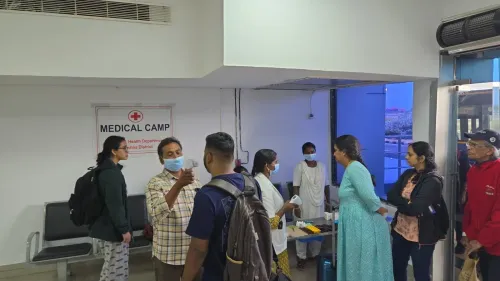
Enhanced screening and SOPs have been deployed at international airports and all points of entry across India.
Advisories shared with all States and Union Territories covering screening, quarantine, clinical management, and infection prevention.
IDSP units and Airport Health Organisations are on heightened alert for unexplained febrile illness in international travellers.
No approved vaccine or specific treatment exists for the Bundibugyo strain of Ebola.
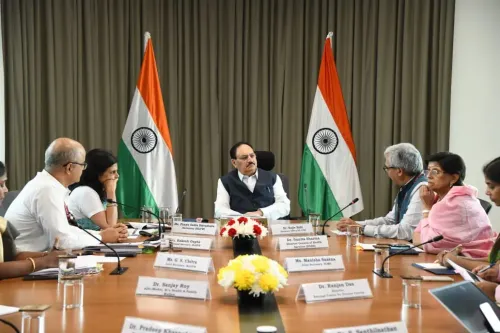
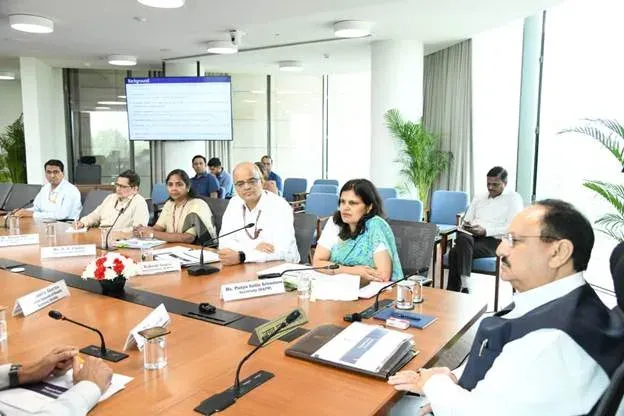
Union Health Minister JP Nadda on Monday, 25 May chaired a high-level review of India's Ebola preparedness and surveillance measures, confirming that India has not reported any case of Bundibugyo Ebola disease to date. The review was conducted in close coordination with the National Centre for Disease Control (NCDC), the Directorate General of Health Services (DGHS), the Indian Council of Medical Research (ICMR), Civil Aviation authorities, Immigration officials, and other concerned ministries and departments.
Why the Review Was Called
The meeting was triggered by a recent Ebola outbreak in parts of Africa and the subsequent declaration of the disease as a Public Health Emergency of International Concern (PHEIC) by the World Health Organization (WHO) and a Public Health Emergency of Continental Security (PHECS) by the Africa CDC. While India remains free of the disease, the government has proactively intensified surveillance as a precautionary measure to safeguard public health.
Screening and Surveillance Measures
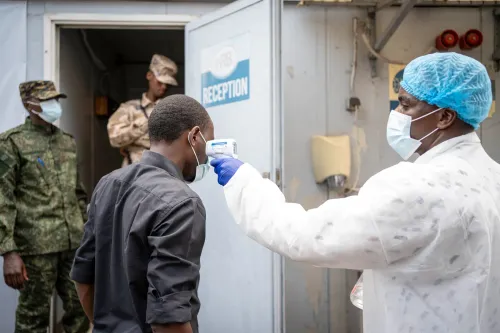
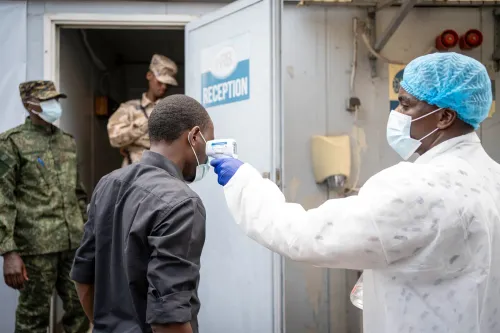
Enhanced screening has been deployed at international airports and other points of entry across the country. Advisories and Standard Operating Procedures (SOPs) covering screening, quarantine protocols, clinical management, laboratory testing, and infection prevention practices have been shared with all States and Union Territories. Meetings with States and UTs and relevant stakeholders have also been convened to review response readiness.
Directions to Key Health Bodies
Nadda directed the Secretary, Ministry of Health and Family Welfare, the Director General of ICMR, and the Director of NCDC to keep all arrangements for tracking, testing, and surveillance in a constant state of readiness. Integrated Disease Surveillance Programme (IDSP) units and Airport Health Organisations have been instructed to maintain heightened vigilance for unexplained febrile illness among international travellers and to ensure prompt reporting and management of any suspected case.
What Is Bundibugyo Ebola
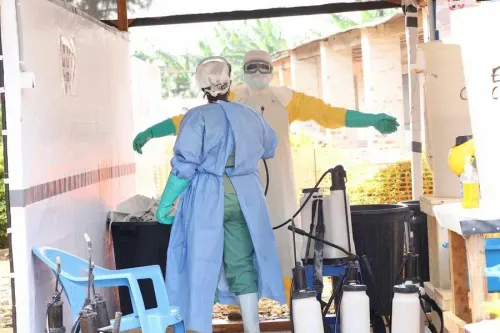
Ebola is a severe viral haemorrhagic fever characterised by a high mortality rate. The current outbreak involves the Bundibugyo virus strain, for which no approved vaccines or specific treatments are currently available, making early detection and containment the primary line of defence. This underscores the urgency of India's surveillance ramp-up, even in the absence of a confirmed domestic case.
What Comes Next
Health authorities are expected to continue monitoring the African outbreak trajectory and adjust India's response posture accordingly. The government's proactive stance reflects lessons drawn from past global health emergencies, including COVID-19 and the Nipah outbreaks, where early surveillance proved critical to containment.
Point of View
But the absence of an approved vaccine or treatment for the Bundibugyo strain makes the surveillance architecture the only real firewall right now. The government's coordination across health, aviation, and immigration is the right instinct — but the critical question is whether IDSP units at smaller international airports and land border crossings have the same operational capacity as those at major hubs. Past health emergencies have exposed last-mile gaps that central directives alone cannot close. The real test of this preparedness review will come not in a press briefing, but in how quickly a suspected case at a tier-2 airport is identified, isolated, and escalated.
NationPress
9 Oct 2026
Frequently Asked Questions
Has India reported any Ebola case?
No. As of 25 May, India has not reported any case of Bundibugyo Ebola disease, according to Health Minister JP Nadda. The government has nonetheless activated enhanced surveillance as a precautionary measure.
Why is India on Ebola alert if there are no cases?
The WHO declared the ongoing African Ebola outbreak a Public Health Emergency of International Concern (PHEIC), and the Africa CDC declared it a Public Health Emergency of Continental Security (PHECS). India is acting pre-emptively to prevent any imported case given international travel links.
What screening measures are in place at Indian airports?
Enhanced screening has been activated at international airports and all points of entry. Airport Health Organisations and IDSP units have been directed to watch for unexplained febrile illness in international travellers and ensure prompt reporting of any suspected case.
Is there a vaccine or treatment for Bundibugyo Ebola?
No. There are currently no approved vaccines or specific treatments for Ebola disease caused by the Bundibugyo virus strain, making early detection and isolation the primary containment strategy.
Which agencies are coordinating India's Ebola response?
The response is coordinated by the Ministry of Health and Family Welfare, NCDC, DGHS, ICMR, Civil Aviation authorities, and Immigration officials. All States and Union Territories have received advisories and SOPs covering screening, quarantine, and clinical management.