Burkina Faso bolsters Ebola defences as WHO declares global emergency
Synopsis
Burkina Faso has activated mobile labs, isolation sites, and border surveillance against Ebola — before a single case is confirmed. With the WHO declaring a global health emergency and India airlifting medical supplies to the Africa CDC, the response signals that governments are treating this outbreak as a genuine cross-border threat, not a distant regional concern.
Key Takeaways
Burkina Faso's Ministry of Health has intensified Ebola surveillance at entry points and placed all health facilities on alert — with zero confirmed cases in the country.
Mobile laboratories have been deployed to enable rapid confirmation of suspected Ebola cases.
The Centre for Emergency Health Response Operations has been mobilised alongside dedicated isolation and treatment sites.
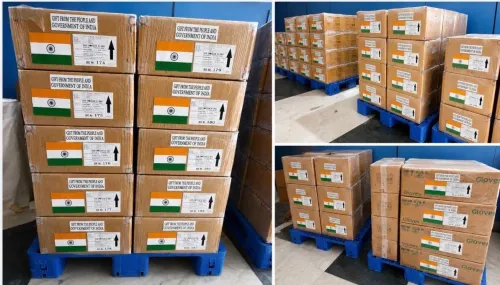
India dispatched the first tranche of medical supplies and protective kits to the Africa CDC on Thursday .
External Affairs Minister S.
Jaishankar confirmed India's commitment to supporting Africa's Ebola response via a post on X .
The WHO has declared the Ebola situation a Public Health Emergency of International Concern (PHEIC) , its highest alert level.
Burkina Faso has significantly reinforced its preventive measures against Ebola virus disease, with the country's Ministry of Health confirming that no cases have been recorded on its soil even as the outbreak spreads across parts of central and east Africa. The announcement comes after the World Health Organisation (WHO) declared the situation a Public Health Emergency of International Concern (PHEIC).
Surveillance and Detection Measures
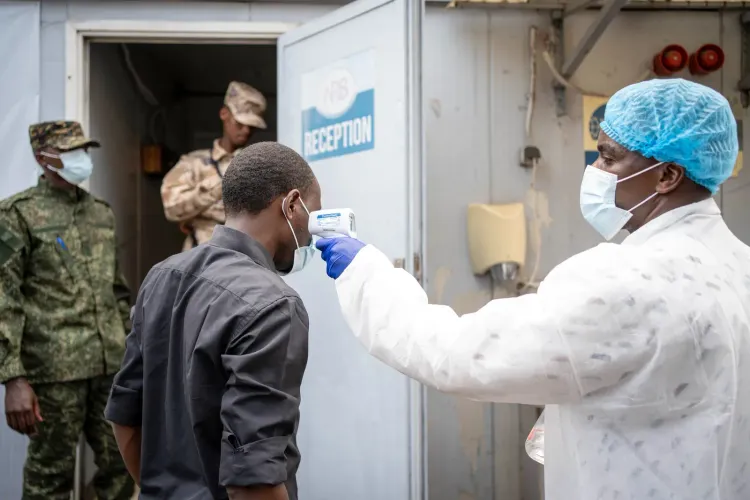
The Ministry of Health stated it has intensified epidemiological surveillance, with a particular focus on the country's entry points — airports, border crossings, and transit corridors. All health facilities across Burkina Faso have been placed on high alert to ensure the early identification of any suspected cases.
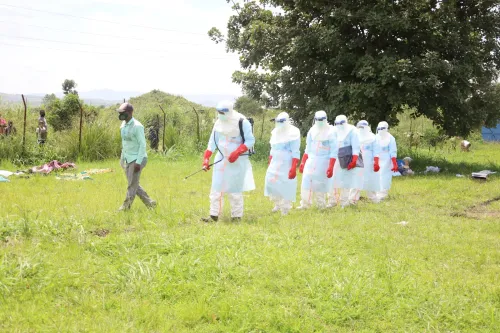
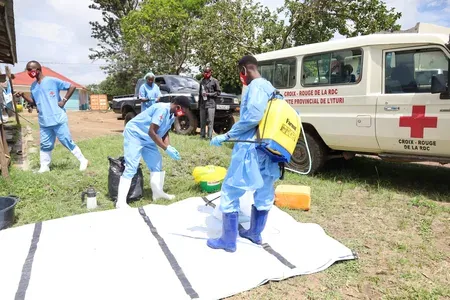
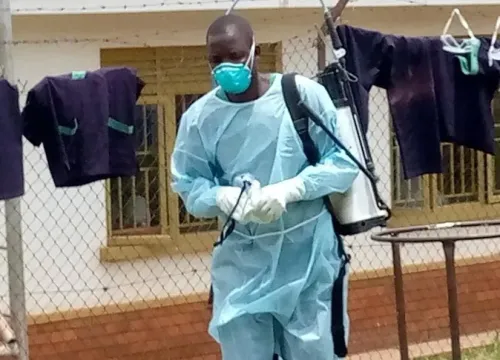
National laboratory capacities have been enhanced, including the deployment of mobile laboratories capable of rapidly confirming suspected Ebola infections. Authorities have also prepared dedicated isolation sites and treatment systems to manage any potential outbreak swiftly.
Emergency Response Activated
The Centre for Emergency Health Response Operations has been mobilised as part of the stepped-up preparedness framework. Health authorities, while reaffirming the absence of any confirmed Ebola cases in the country, have urged the public to remain vigilant and adhere strictly to official health guidelines.
This is a notably proactive posture — Burkina Faso borders several nations in a region where health system capacity is already under strain, and the government appears to be prioritising containment before any cross-border transmission occurs.
India Sends Medical Supplies to Africa CDC
In a parallel development, India on Thursday dispatched the first tranche of urgent medical supplies and protective kits to the Africa Centres for Disease Control and Prevention (Africa CDC). External Affairs Minister S. Jaishankar confirmed the move in a post on X, stating: 'India dispatched the first tranche of urgent medical supplies and protective kits to the Africa CDC today. Committed to support Africa in responding to the emerging Ebola public health emergency.'
The Indian government also issued a travel advisory for its citizens currently residing in or travelling to Congo, Uganda, and South Sudan, urging them to strictly follow public health guidance from local authorities and maintain heightened precautions given the confirmed Ebola outbreaks in those countries.
WHO's Global Emergency Declaration
The WHO has formally designated the ongoing Ebola situation a Public Health Emergency of International Concern — its highest alert level — signalling that the risk of international spread is significant enough to warrant a coordinated global response. The declaration obligates member states to strengthen surveillance and reporting mechanisms.
With Burkina Faso's borders in geographic proximity to affected zones, the country's early-action approach will be closely watched as a model for regional preparedness in the weeks ahead.
Point of View
Border surveillance, isolation sites — before a single confirmed case is a textbook early-response move, and a stark contrast to how past outbreaks were handled in the region. The real test is whether this readiness holds if a case does cross the border, given the country's already-stretched health infrastructure. India's decision to send supplies to the Africa CDC is diplomatically visible but the scale and speed of delivery will determine its actual impact. The WHO's PHEIC declaration raises the stakes: member states are now formally obligated to act, and any lag in neighbouring countries' responses could undo Burkina Faso's careful preparation.
NationPress
16 Sept 2026
Frequently Asked Questions
Has Ebola been confirmed in Burkina Faso?
No. As of the latest official statement from Burkina Faso's Ministry of Health, no Ebola cases have been confirmed in the country. Authorities have nonetheless activated full preparedness protocols including mobile laboratories, isolation sites, and border surveillance.
What measures has Burkina Faso taken against Ebola?
The government has intensified epidemiological surveillance at entry points, placed all health facilities on alert, deployed mobile laboratories for rapid testing, prepared isolation and treatment sites, and mobilised the Centre for Emergency Health Response Operations.
Why has the WHO declared a Public Health Emergency of International Concern over Ebola?
The WHO issued a PHEIC — its highest alert level — because the Ebola outbreak, centred in countries including Congo, Uganda, and South Sudan, poses a significant risk of international spread. The declaration obligates member states to strengthen surveillance and coordinate their responses.
What is India doing to help with the Ebola outbreak in Africa?
India dispatched the first tranche of urgent medical supplies and protective kits to the Africa Centres for Disease Control and Prevention (Africa CDC) on Thursday. External Affairs Minister S. Jaishankar confirmed the shipment and India's commitment to supporting Africa's public health emergency response.
Which countries should Indian travellers be cautious about due to Ebola?
The Indian government has specifically advised citizens in or travelling to Congo, Uganda, and South Sudan to strictly follow local public health guidance and maintain heightened precautions, given confirmed Ebola outbreaks in those countries.