Tanzania boosts Ebola preparedness as DRC outbreak raises regional alarm
Synopsis
Tanzania has pre-positioned a mobile Ebola laboratory in its northwestern Kagera Region — the corridor most exposed to DRC and Uganda — and placed every health facility in the country on high alert. With the National Public Health Laboratory able to confirm Ebola within 24 hours, the response is structured but the risk window remains open as the DRC outbreak continues.
Key Takeaways
Tanzania activated heightened Ebola preparedness on 18 May following an active outbreak in the DRC .
Erasto Sylvanus , Director of Emergency Preparedness and Response, confirmed border screening has been intensified at all crossings with DRC and Uganda .
A mobile laboratory has been pre-positioned in the Kagera Region to enable rapid field testing of suspected cases.
The National Public Health Laboratory can confirm Ebola virus within 24 hours .
All health facilities nationwide are on high alert with isolation rooms prepared for suspected patients.
Expert national teams have been deployed to high-risk regions, with additional teams on standby.
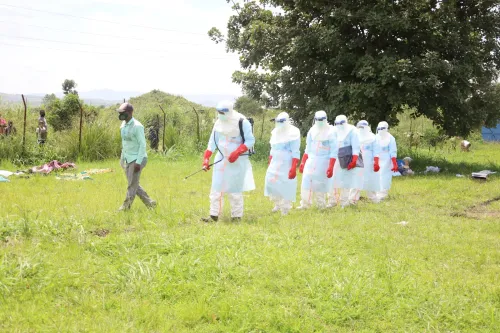
Tanzania has significantly intensified surveillance, border screening, and emergency preparedness operations following an active Ebola outbreak in neighbouring Democratic Republic of Congo (DRC), a senior health official confirmed on Sunday, 18 May. The measures signal growing concern in Dar es Salaam over potential cross-border disease transmission.
What the Government Has Activated
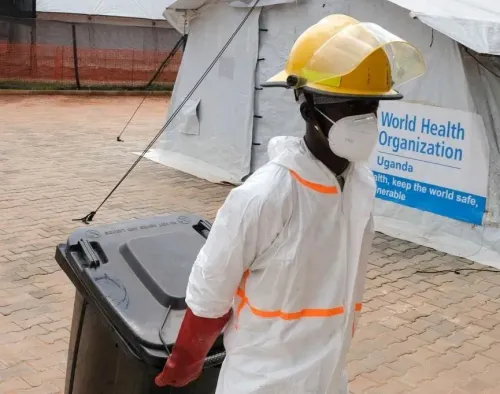
Erasto Sylvanus, Director of Emergency Preparedness and Response at Tanzania's Ministry of Health, said the government is working in close coordination with the World Health Organisation (WHO) and neighbouring countries to strengthen prevention, early detection, and rapid response mechanisms. 'In collaboration with the WHO country office, Tanzania has conducted a rapid assessment of proximity and interaction with outbreak areas in Congo and Uganda to identify regions at highest risk and take appropriate measures in accordance with the International Health Regulations,' Sylvanus said.
Health screening of travellers has been reinforced at all border points linking Tanzania with DRC and Uganda. Community-level monitoring of rumours and suspected cases at health facilities has also been scaled up nationwide.
Expert Deployment and High-Alert Facilities
According to Sylvanus, updated technical guidelines have been disseminated to regional authorities to enhance preparedness and response capacity. Expert teams at the national level have been deployed to high-risk regions, with additional teams on standby to respond to emerging needs.
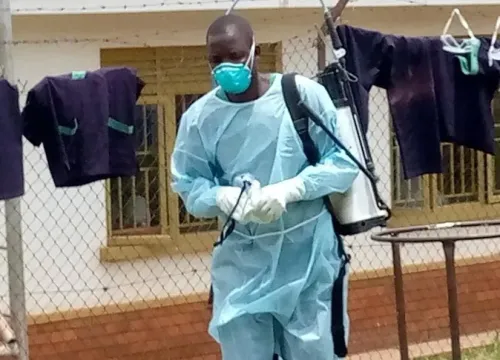
All health facilities across the country have been placed on high alert and have been directed to prepare dedicated isolation rooms for suspected Ebola patients, minimising transmission risk during clinical management.
Laboratory Readiness and PPE Stockpiling
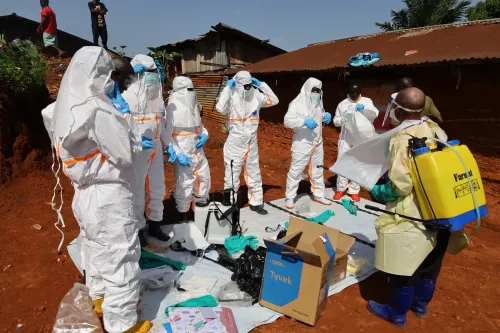
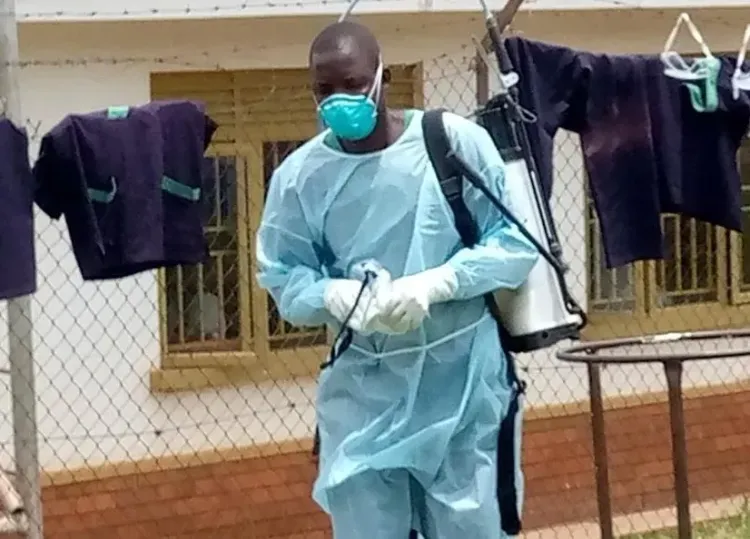
Assessments are ongoing to ensure adequate availability of personal protective equipment (PPE) for frontline healthcare workers, Sylvanus noted. He added that the National Public Health Laboratory has the capacity to confirm Ebola virus presence within 24 hours.
Critically, a mobile laboratory has already been pre-positioned in the northwestern Kagera Region — which shares borders with both DRC and Uganda — to facilitate rapid testing of suspected cases closer to the highest-risk zone.
Regional Context and Why It Matters
The DRC has experienced multiple Ebola outbreaks over the past decade, with the 2018–2020 North Kivu outbreak being the second-largest in history. Tanzania's Kagera Region, given its geographic proximity to active outbreak zones in DRC and Uganda, has historically been flagged as a high-risk corridor. This is the latest in a pattern of regional preparedness activations that follow DRC flare-ups.
The WHO's International Health Regulations framework — which Sylvanus explicitly referenced — obligates member states to assess and communicate risks at borders, a process Tanzania appears to be following. How effectively the mobile laboratory and border screening systems perform in practice will determine whether Tanzania can contain any spillover before community transmission takes hold.
Point of View
Border reinforcement, mobile laboratory pre-positioning — but the real test is execution speed, not protocol. The Kagera Region's geographic exposure to both DRC and Uganda makes it the most consequential chokepoint in East Africa's Ebola containment architecture. What is notably absent from the official statement is any detail on community health worker capacity or cross-border data-sharing agreements with Kinshasa, both of which proved decisive in containing the 2018–2020 North Kivu outbreak. Preparedness announcements are only as strong as the surveillance networks beneath them.
NationPress
20 Sept 2026
Frequently Asked Questions
Why is Tanzania on Ebola alert in May 2025?
Tanzania activated heightened Ebola preparedness after an outbreak was confirmed in the neighbouring Democratic Republic of Congo (DRC). The government assessed that regions bordering DRC and Uganda — particularly the Kagera Region — face the highest risk of importation.
What specific measures has Tanzania put in place?
Tanzania has intensified border health screening at crossings with DRC and Uganda, deployed expert teams to high-risk regions, placed all health facilities on high alert with isolation rooms, pre-positioned a mobile laboratory in Kagera Region, and ensured PPE availability for frontline workers.
How quickly can Tanzania test for Ebola?
The National Public Health Laboratory can test and confirm Ebola virus within 24 hours. A mobile laboratory has also been pre-positioned in the Kagera Region to allow faster field-level testing without sending samples to the capital.
Which part of Tanzania is most at risk?
The northwestern Kagera Region is considered the highest-risk area because it shares borders with both the DRC and Uganda, where Ebola activity has been recorded. The mobile laboratory deployment there reflects the government's own risk prioritisation.
Is there currently an Ebola case in Tanzania?
As of the statement by health official Erasto Sylvanus on 18 May, there are no confirmed Ebola cases in Tanzania. The measures are preventive, aimed at stopping any importation from the active DRC outbreak before community transmission can occur.