Sierra Leone bolsters Ebola surveillance amid DRC, Uganda outbreak spread
Synopsis
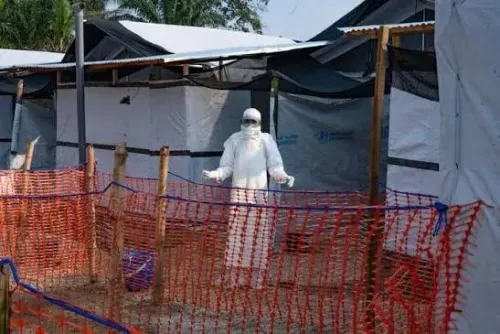
Sierra Leone has placed rapid response teams on standby in all 16 districts and reinforced entry-point surveillance after simultaneous Ebola outbreaks in DRC and Uganda. The African Union has raised a red flag: the Bundibugyo strain driving the outbreak has no approved vaccine, making containment — not treatment — the only line of defence.
Key Takeaways
Sierra Leone has strengthened Ebola surveillance at all entry points following outbreaks in the DRC and Uganda , confirmed on 18 May 2025 .
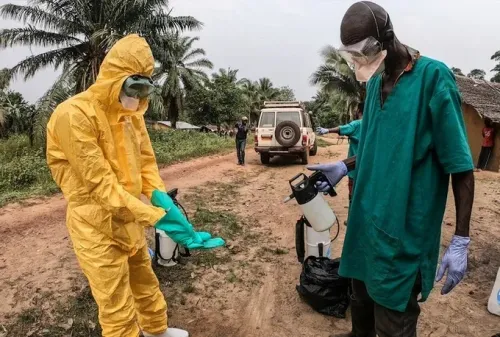
Rapid response teams are on standby in all 16 districts ; isolation protocols and PPE supplies are being reviewed and replenished.
The NPHA is coordinating with the AU CDC , ECOWAS health authorities, and the WHO for real-time monitoring.
The African Union warned of a 'growing risk of regional spread,' noting the outbreak involves the Bundibugyo strain for which no strain-specific vaccine exists.
Sierra Leone has reported no confirmed or suspected Ebola cases as of the latest update.
Sierra Leone has intensified surveillance at all points of entry following active Ebola outbreaks in the Democratic Republic of the Congo (DRC) and Uganda, a senior public health official confirmed on Monday, 18 May. The country has reported no confirmed or suspected cases, but authorities are treating the regional threat with heightened urgency.
Surveillance and Preparedness Measures
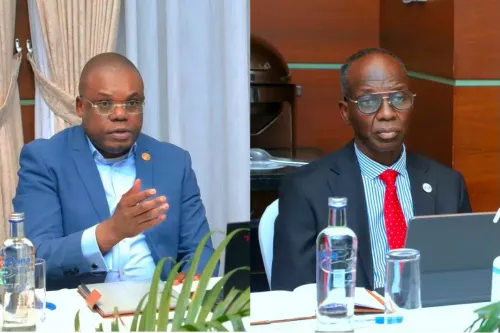
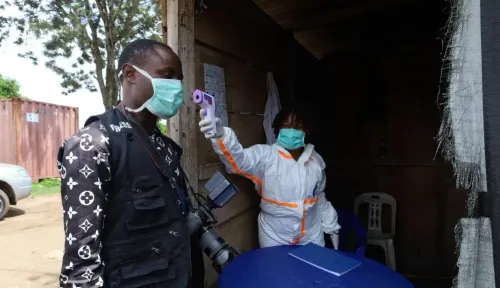
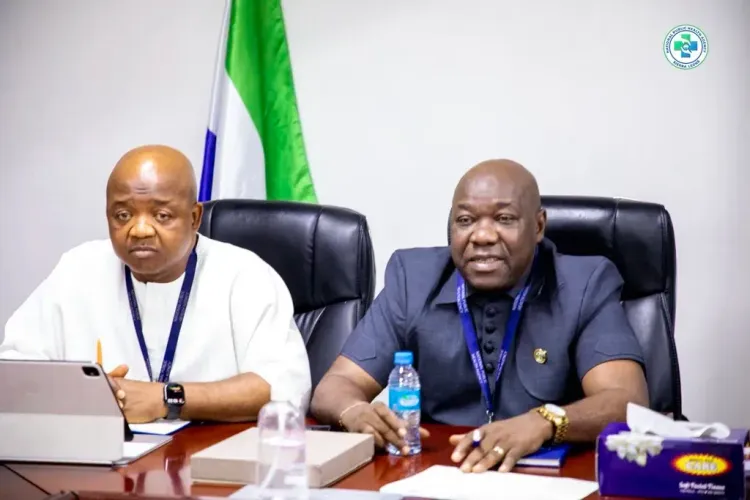
Foday Sahr, executive director of the National Public Health Agency (NPHA), said surveillance at entry points and health facilities has been substantially strengthened to enable early detection and a rapid response. He confirmed that rapid response teams are on standby across all 16 districts of the country.
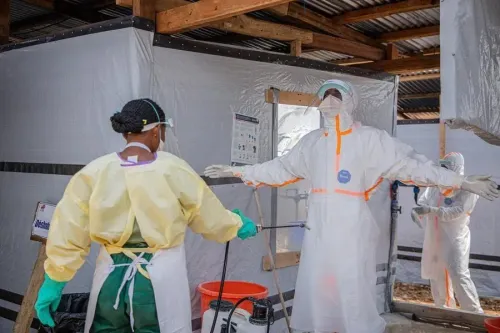
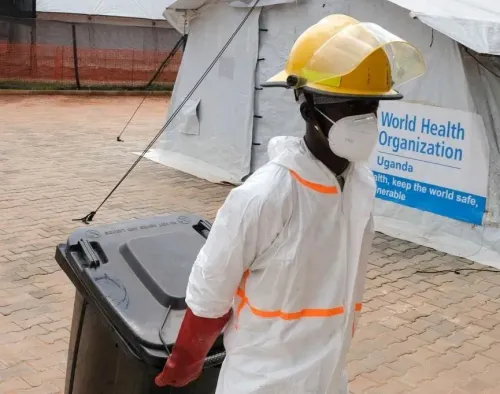
Isolation protocols are being reviewed and personal protective equipment (PPE) supplies are being replenished, Sahr added. The measures reflect a precautionary posture shaped by West Africa's painful experience with the 2014-2016 Ebola epidemic, which killed more than 11,000 people across the region, with Sierra Leone among the worst affected.
Regional Coordination Under Way
The NPHA is coordinating with the Africa Centres for Disease Control and Prevention, the Economic Community of West African States (ECOWAS) health authorities, and the World Health Organisation (WHO) to monitor developments and exchange real-time information. This multi-agency coordination mirrors the framework established during previous outbreak responses and is considered critical to containing cross-border transmission risk.
African Union Raises Alarm Over Bundibugyo Strain
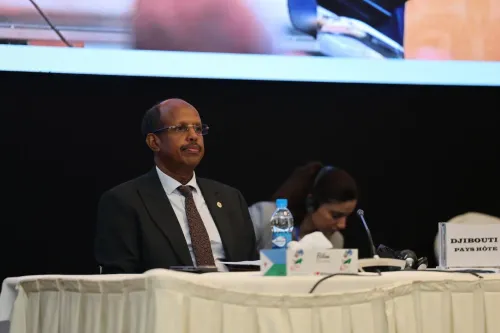
The African Union (AU) on Monday expressed deep concern over the outbreaks, warning of a 'growing risk of regional spread.' AU Commission (AUC) Chairperson Mahmoud Ali Youssouf urged all African countries and partners to intensify support for preparedness, surveillance, and rapid response efforts in affected and at-risk nations.
Critically, the AU flagged that the current outbreak is driven by the Bundibugyo strain — for which no strain-specific vaccine is currently available. This distinguishes the present crisis from the 2018-2020 DRC outbreak, which involved the Zaire strain and benefited from an approved vaccine. Youssouf commended the governments of the DRC and Uganda, as well as frontline health workers, for their swift containment efforts under difficult conditions. He also welcomed preparedness steps being taken by neighbouring countries, particularly South Sudan.
Public Health Advisory Issued
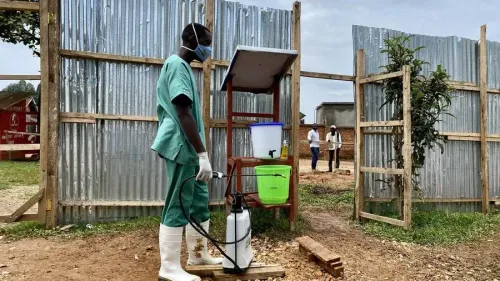
Sierra Leone's health authorities have advised the public to avoid unnecessary travel to affected areas, maintain regular handwashing, avoid contact with bodily fluids of infected persons, and report any suspected symptoms immediately through the national emergency line. The guidance aligns with standard Ebola prevention protocols recommended by the WHO.
With no vaccine tailored to the Bundibugyo strain and outbreaks active in two countries simultaneously, public health experts warn that the window for containment is narrow. Sierra Leone's early activation of response protocols may prove decisive in keeping the virus from crossing its borders.
Point of View
The Zaire-strain vaccine gave responders a containment tool that does not exist this time. Sierra Leone is right to activate early — its 2014-2016 experience, one of the deadliest in Ebola history, showed that delayed border measures cost lives. But activation and effectiveness are different things: the real question is whether ECOWAS-level coordination can move fast enough to match a strain that outpaces the available medical toolkit. The AU's public alarm is useful pressure, but pressure without a vaccine pipeline is, at best, a holding action.
NationPress
24 Sept 2026
Frequently Asked Questions
Has Sierra Leone confirmed any Ebola cases?
No. As of 18 May 2025, Sierra Leone has reported no confirmed or suspected Ebola cases. Authorities have strengthened surveillance as a precautionary measure in response to active outbreaks in the DRC and Uganda.
What is the Bundibugyo Ebola strain and why does it matter?
The Bundibugyo strain is one of several species of the Ebola virus and was first identified in Uganda in 2007. It is significant in the current outbreak because, unlike the Zaire strain used in approved vaccines, no strain-specific vaccine for Bundibugyo is currently available, limiting treatment options.
What measures has Sierra Leone put in place?
Sierra Leone has reinforced surveillance at all entry points, placed rapid response teams on standby in all 16 districts, reviewed isolation protocols, and is replenishing personal protective equipment supplies. The public has been advised to avoid travel to affected areas and report symptoms via the national emergency line.
What is the African Union's position on the outbreak?
The African Union expressed deep concern on 18 May, warning of a growing risk of regional spread. AU Commission Chairperson Mahmoud Ali Youssouf urged all African countries to intensify preparedness and surveillance, and commended the DRC and Uganda for their containment efforts.
Which international bodies is Sierra Leone coordinating with?
The National Public Health Agency (NPHA) is coordinating with the Africa Centres for Disease Control and Prevention, ECOWAS health authorities, and the World Health Organisation to monitor the outbreaks and share real-time information.