AU warns of Ebola regional spread as DRC death toll hits 87
Synopsis
The African Union has raised an alarm that goes beyond the DRC and Uganda — the Bundibugyo strain driving the current Ebola outbreak has no strain-specific vaccine, and 87 people are already dead. With Africa CDC warning of high regional spread risk, this is a continental health security test, not just a bilateral crisis.
Key Takeaways
The African Union on 18 May warned of a growing risk of Ebola spreading regionally across Africa.
The DRC death toll has reached 87 since the outbreak began in Ituri Province .
The outbreak is caused by the Bundibugyo strain , for which no strain-specific vaccine is currently available.
WHO places Ebola fatality rates between 50% and 89% depending on the viral subtype.
AUC Chairperson Mahmoud Ali Youssouf called on all African nations and partners to intensify surveillance and rapid-response efforts.
South Sudan was specifically cited for its preparedness measures among neighbouring countries.
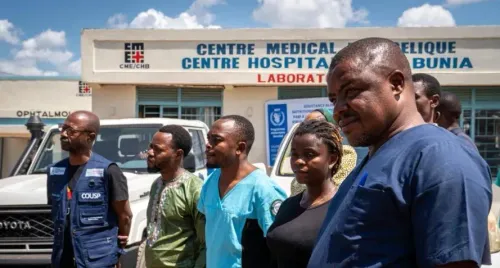
The African Union (AU) on Monday, 18 May expressed deep concern over the escalating Ebola outbreak in the Democratic Republic of the Congo (DRC) and Uganda, warning of a growing risk of regional spread across the continent. AU Commission (AUC) Chairperson Mahmoud Ali Youssouf issued a formal statement urging intensified continental preparedness as the death toll in the DRC climbed to 87.
What the AU Said
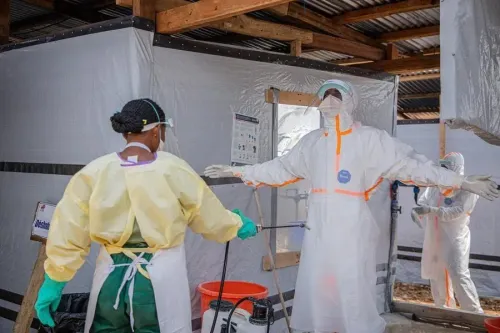
Youssouf called on all African nations and international partners to step up support for surveillance, preparedness, and rapid-response operations in affected and at-risk countries. He specifically acknowledged the preparedness steps being taken by neighbouring nations, with South Sudan singled out for its proactive measures.
'The African Union stands in full solidarity with the peoples and governments of the Democratic Republic of the Congo and Uganda at this critical time,' Youssouf said in the statement.
Scale of the Outbreak
According to the latest data from the Africa Centres for Disease Control and Prevention (Africa CDC), 87 people have died in the DRC since the current outbreak began in the country's Ituri Province. The agency has flagged that the outbreak is driven by the Bundibugyo strain of the Ebola virus — a critical detail, as no strain-specific vaccine is currently available for this variant.
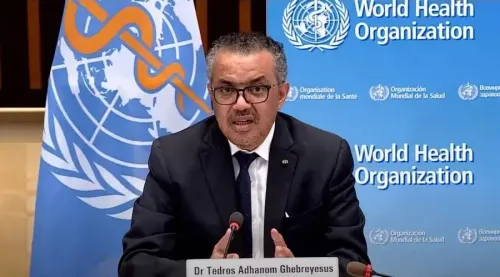
The World Health Organisation (WHO) notes that Ebola fatality rates range from 50% to 89% depending on the viral subtype, underlining the severity of the public health threat. The virus causes symptoms including fever, vomiting, diarrhoea, generalised pain, and, in severe cases, internal and external bleeding.
Institutional Response
Youssouf reaffirmed the AU's full backing for Africa CDC in coordinating a continental response in close collaboration with member states, the WHO, humanitarian partners, and donors. He commended the governments of the DRC and Uganda, along with national health authorities and frontline workers, for their swift containment efforts under difficult conditions.
'The protection of African lives and the safeguarding of our continental health security remain our highest priority,' the AUC chief underscored.
Why the Bundibugyo Strain Is a Concern
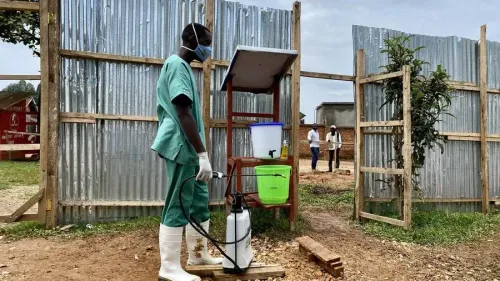
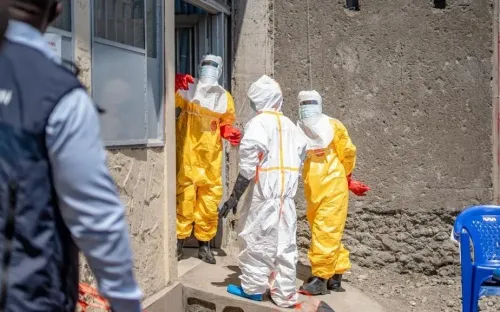
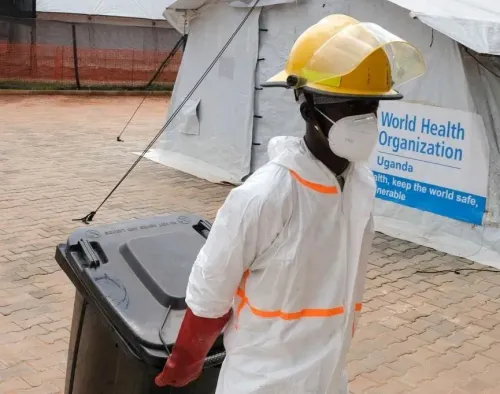
The Bundibugyo strain was first identified in Uganda in 2007 and is considered one of the less common but still lethal Ebola variants. The absence of a targeted vaccine means containment relies entirely on traditional public health tools — isolation, contact tracing, and personal protective equipment — placing exceptional pressure on already-strained health systems in the region. This is the latest in a series of Ebola outbreaks that have periodically struck the DRC, which has recorded more Ebola episodes than any other country.
What Happens Next
The AU's call for intensified regional surveillance signals that cross-border containment is now a priority concern. With South Sudan already taking preparedness measures, attention will turn to whether other neighbouring states — including Rwanda, Burundi, and Central African Republic — can mobilise similar protocols. The pace of Africa CDC coordination with the WHO and donor partners will be closely watched in the coming weeks.
Point of View
The entire regional response depends on surveillance infrastructure that has historically been underfunded. The DRC has fought more Ebola outbreaks than any other country, yet each episode still stretches the same overstretched health systems. Until Africa CDC secures sustained donor commitments — not just emergency pledges — the continent will keep cycling through the same containment crises.
NationPress
9 Oct 2026
Frequently Asked Questions
What is the current Ebola outbreak situation in the DRC and Uganda?
An active Ebola outbreak in the Democratic Republic of the Congo, originating in Ituri Province, has killed at least 87 people as of the latest Africa CDC data. Uganda is also affected, prompting the African Union to warn of a high risk of regional spread.
Which Ebola strain is driving the current outbreak?
The outbreak is driven by the Bundibugyo strain of the Ebola virus, first identified in Uganda in 2007. Critically, no strain-specific vaccine is currently available for this variant, making containment reliant on isolation and contact tracing.
What is the African Union doing about the Ebola outbreak?
AU Commission Chairperson Mahmoud Ali Youssouf issued a formal statement urging all African nations and partners to intensify preparedness and rapid-response support. The AU has also reaffirmed its backing for Africa CDC to coordinate a continental response alongside the WHO and donor partners.
How deadly is Ebola, and what are its symptoms?
According to the WHO, Ebola fatality rates range from 50% to 89% depending on the viral subtype. Symptoms include fever, vomiting, diarrhoea, generalised pain, and in severe cases internal and external bleeding.
Which neighbouring countries are at risk of Ebola spread?
South Sudan has already begun preparedness measures and was commended by the AU. Other neighbouring states including Rwanda, Burundi, and the Central African Republic are considered at-risk given the Africa CDC's warning of high regional spread potential.