Cambodia on Ebola alert as WHO declares global emergency over DRC outbreak
Synopsis
The WHO has declared its highest-level global health alert over an Ebola outbreak in the DRC that has already crossed into Uganda — with two confirmed cases in Kampala. Cambodia, with zero detected cases, is nonetheless on alert. At 80–90% fatality without treatment and 350 suspected cases already logged in the DRC, the window for containment is narrowing fast.
Key Takeaways
Cambodia's Ministry of Health issued an Ebola vigilance advisory on Monday, 18 May — confirming no cases detected in the country.
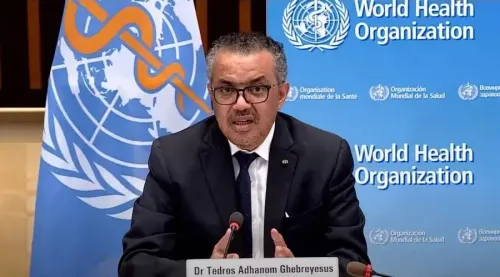
The WHO declared an international public health emergency on Sunday over the DRC and Uganda Ebola outbreak.
The DRC has recorded around 350 suspected cases and 91 probable deaths , with 59 patients currently under active treatment.
Two confirmed cases were reported in Kampala, Uganda — both linked to travel from the DRC — and admitted to intensive care.
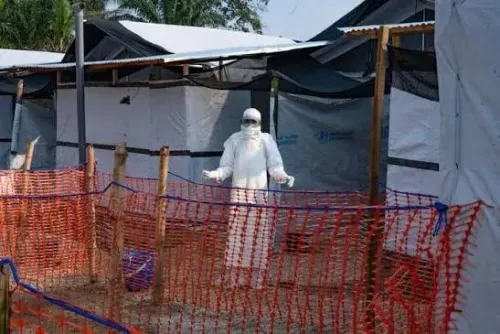
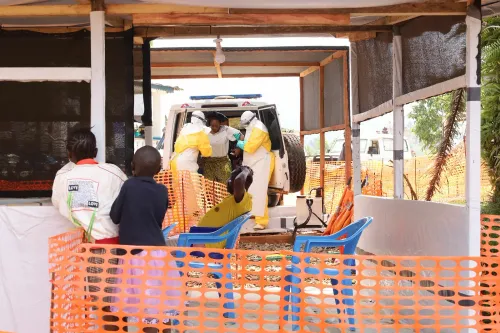
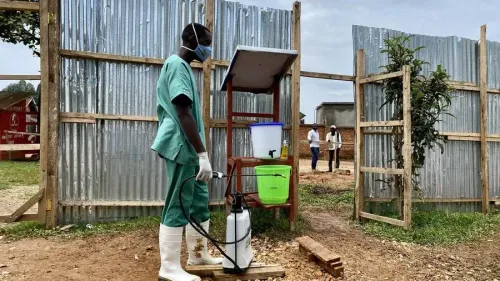
Three new Ebola treatment centres are being set up in Rwampara , Mongwalu , and Bunia in the DRC's Ituri province .
Ebola's fatality rate can reach 80–90% without prompt treatment, according to the Cambodian health ministry.
Cambodia's Ministry of Health has urged the public to remain vigilant against Ebola following the World Health Organisation's (WHO) declaration of an international public health emergency on Sunday, 18 May, after an outbreak in the Democratic Republic of Congo (DRC) killed more than 80 people and spread to neighbouring Uganda. Phnom Penh confirmed it has recorded no cases so far, but said precautionary measures are firmly in place.
Cambodia's Preparedness Measures
In a statement issued on Monday, the ministry said it has been 'closely monitoring the situation' and has disseminated guidance to emergency response teams, health workers, and the general public through social media platforms. Authorities have also prepared protocols for prevention and immediate response should any suspected cases emerge in the Southeast Asian country.
'To date, Cambodia has not yet detected any cases of Ebola,' the ministry stated, while stressing that readiness — not complacency — is the operating posture. This is consistent with how the region responded during the 2018–2020 DRC Ebola crisis, when several Southeast Asian nations activated border surveillance without recording a single imported case.
Scale of the DRC Outbreak
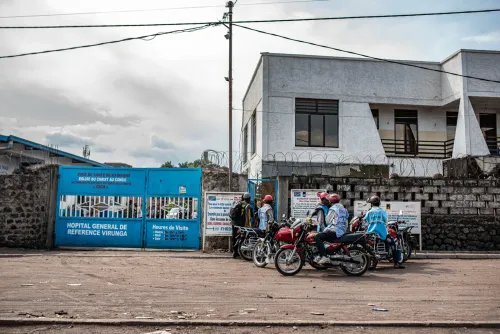
The outbreak in the DRC is significant in scale. Health Minister Roger Kamba said on Sunday that around 350 suspected cases and 91 probable deaths have been recorded. 'We have 59 patients who are actively being treated at the moment,' Kamba said in Bunia, capital of the eastern Ituri province. Three new Ebola treatment sites are being established in Rwampara, Mongwalu, and Bunia — identified as the main epicentres — to expand health facility capacity.
International Spread and WHO Emergency Declaration
The WHO's emergency declaration was triggered in part by confirmed cross-border transmission. Two confirmed cases were reported in Kampala, Uganda — one on Friday and one on Saturday — both linked to travel from the DRC. Both patients were admitted to intensive care units in Kampala, according to the WHO. The declaration of a Public Health Emergency of International Concern (PHEIC) is the WHO's highest alert level, last applied globally during the COVID-19 pandemic.
Regional Response
Neighbouring countries including Rwanda, Burundi, and Tanzania have stepped up surveillance, border screening, and emergency preparedness. The coordinated regional response reflects lessons drawn from past outbreaks, where delayed border measures allowed the virus to travel further than necessary.
What Is Ebola
Ebola is a highly contagious haemorrhagic fever that causes severe and often fatal illness in humans, according to the Cambodian ministry's statement. The fatality rate can reach as high as 80 to 90 per cent if not treated promptly — underscoring why the WHO's emergency declaration and rapid containment efforts carry such urgency. With the DRC outbreak still active and Uganda now reporting confirmed cases, health authorities across the region are expected to remain on heightened alert in the coming weeks.
Point of View
Yet the virus travelled there via a single travel link. Southeast Asia's dense aviation connectivity to East Africa means the region's preparedness posture matters more than its current case count. The real test will be whether border surveillance and health worker readiness translate into early detection — not whether the press releases say the right things.
NationPress
20 Sept 2026
Frequently Asked Questions
Has Cambodia detected any Ebola cases?
No. As of Monday, 18 May, Cambodia's Ministry of Health confirmed that no Ebola cases have been detected in the country. The ministry has nonetheless activated precautionary protocols and is monitoring the international situation closely.
Why did the WHO declare an Ebola emergency?
The WHO declared a Public Health Emergency of International Concern (PHEIC) on Sunday after the Ebola outbreak in the DRC recorded over 80 deaths and spread to Uganda, with two confirmed cases in Kampala. Cross-border transmission triggered the organisation's highest alert level.
How serious is the Ebola outbreak in the DRC?
The DRC outbreak has recorded around 350 suspected cases and 91 probable deaths, according to Health Minister Roger Kamba. Three new treatment centres are being set up in the Ituri province epicentres of Rwampara, Mongwalu, and Bunia.
How did Ebola reach Uganda?
Two confirmed Ebola cases were reported in Kampala, Uganda — one on Friday and one on Saturday — both linked to travel from the DRC. Both patients were admitted to intensive care units, according to the WHO.
What is the fatality rate for Ebola?
According to Cambodia's Ministry of Health statement, Ebola's fatality rate can reach 80 to 90 per cent if not treated promptly. The virus causes severe haemorrhagic fever and is highly contagious.