Sonowal pays tribute to Bhupen Hazarika in Siliguri on death anniversary
Synopsis
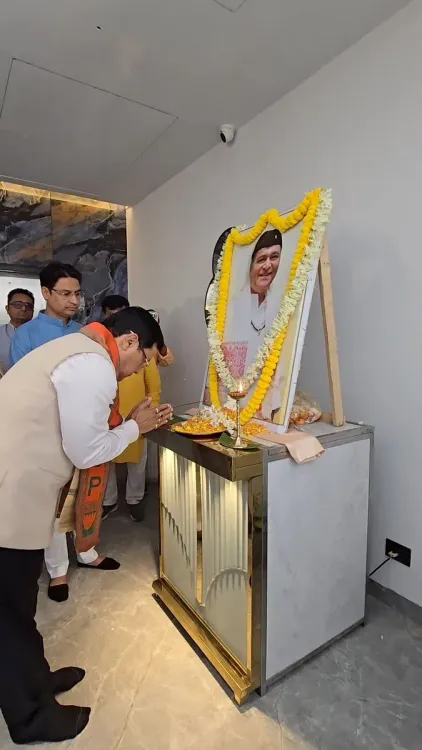
Union Minister Sarbananda Sonowal paid homage to Bharat Ratna Dr Bhupen Hazarika in Siliguri on the singer's death anniversary, joined by BJP MP Raju Bista and West Bengal party leaders, honouring Hazarika's enduring cultural bond between Assam and Bengal.
Key Takeaways
Union Minister Sarbananda Sonowal offered floral tributes to Dr Bhupen Hazarika in Siliguri on 5 November 2026 , the singer's death anniversary.
Hazarika was posthumously awarded the Bharat Ratna in 2019 for his contributions to Indian music and culture.
BJP MP from Darjeeling, Raju Bista , along with several West Bengal BJP functionaries, joined the tribute.
Sonowal described Hazarika as having built a 'unique cultural bridge' between Assam and Bengal through his music.
Hazarika passed away on 5 November 2011 ; his anniversary is observed annually as a moment of cross-regional remembrance.
The event in Siliguri — a city at the junction of Bengal, Assam, and the Northeast — underscores the cross-regional dimension of Hazarika's legacy.
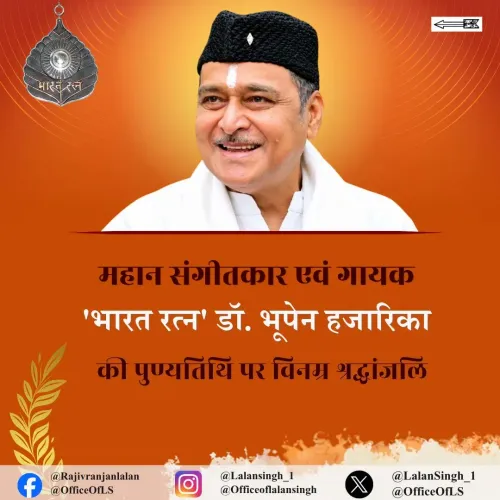
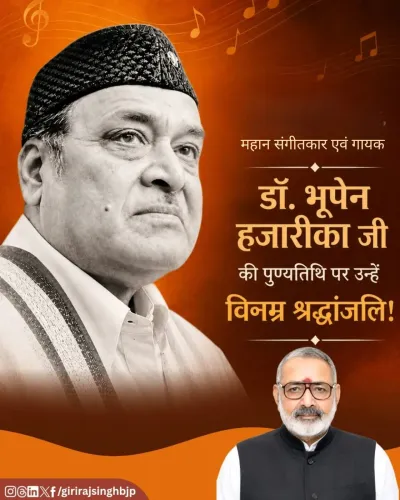
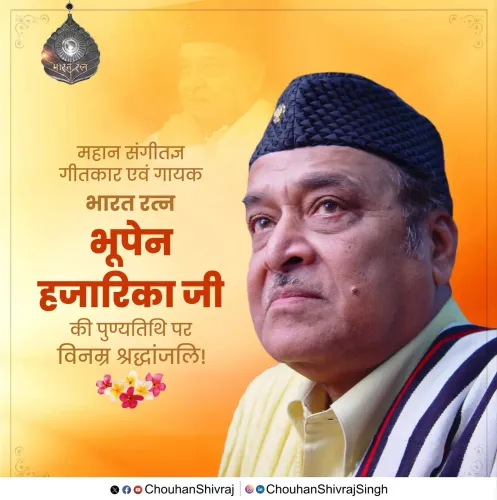
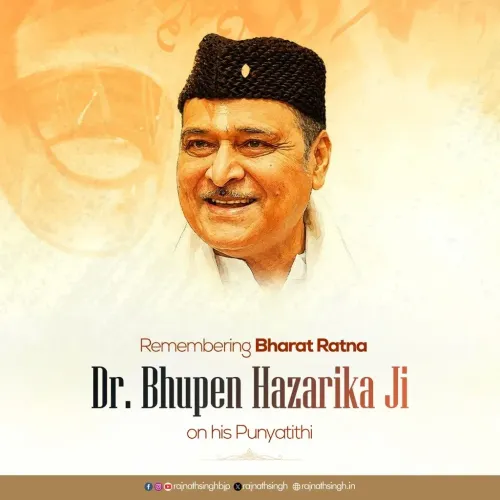
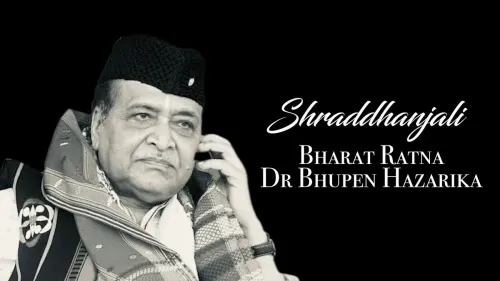
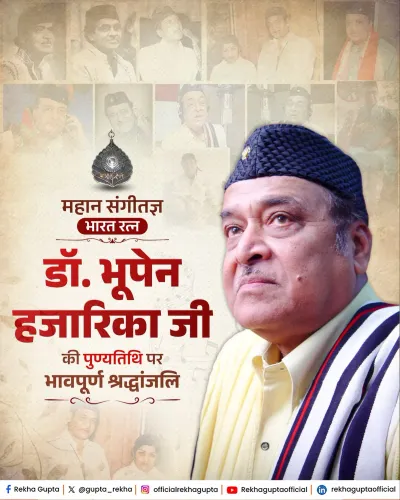
On the death anniversary of one of India's most celebrated cultural icons, Union Minister Sarbananda Sonowal travelled to Siliguri on 5 November 2026 to offer floral tributes at the portrait of Bharat Ratna Dr Bhupen Hazarika — the Assamese singer-songwriter whose melodies built a living bridge between two of India's most culturally rich states.
A voice that belonged to both Assam and Bengal
Bhupen Hazarika, posthumously awarded the Bharat Ratna in 2019, was not simply a musician of one region. He composed, sang, and filmed his way across the border between Assam and West Bengal, drawing on the rivers, folk traditions, and human struggles of both. Sonowal, himself a former Chief Minister of Assam, described Hazarika's bond with Bengal as 'profound', crediting him with forging a 'unique cultural bridge' through 'timeless creations and immortal melodies.'
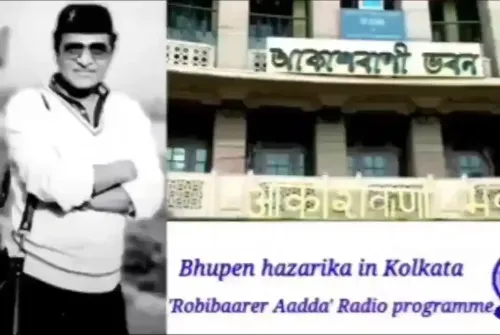
That framing carries weight. Hazarika spent significant years in Bengal, made celebrated films in Bengali, and was embraced by audiences in Kolkata and beyond as one of their own. His death on 5 November 2011 marked the close of an era — but his anniversary has since become an annual moment of cross-regional remembrance.
BJP leaders in Bengal's northern hills join the homage
Sonowal was joined at the tribute by Raju Bista, the BJP Member of Parliament from the Darjeeling constituency, along with Bapi Goswami, State General Secretary of BJP Bengal, Siliguri District BJP President Arun Mandal, and State Media Convenor Anupam Ghosh. The gathering in Siliguri — a politically significant city in northern West Bengal that sits at the junction of Bengal, Assam, and the Northeast — gave the commemoration both cultural and organisational resonance.
Central ministers from the Northeast participating in cultural events in West Bengal is a pattern worth noting. It signals an effort to reinforce shared heritage as a soft-power tool in a state where the BJP continues to build its footprint.
Why Hazarika's legacy endures across state lines
Hazarika's work defied the linguistic and administrative boundaries that often silo Indian cultural figures. Songs like 'Dil Hoom Hoom Kare' reached Hindi audiences; his Bengali compositions earned him a place beside the greatest names in that tradition. The Bharat Ratna — India's highest civilian honour — acknowledged not just his artistry but his role as a unifier across communities and languages.
For Sonowal, paying homage in Siliguri rather than in Assam is itself a statement: that Hazarika's legacy belongs to the entire Brahmaputra-Teesta cultural corridor, not to one state's memory alone.
Fifteen years on, 'Bhupen Da' remains not a figure of the past but a living point of cultural reference — and the annual tribute in Siliguri keeps that flame lit.
Point of View
A priority state for the party. Invoking Hazarika's cross-regional identity allows BJP to frame its outreach in heritage rather than purely electoral terms. The pattern of Union Ministers from the Northeast attending such events in Bengal is consistent with a broader strategy of using shared cultural memory as a bridge in a state with complex identity politics. Hazarika's Bharat Ratna, awarded under the BJP-led government in 2019, adds an institutional dimension that makes such tributes simultaneously cultural and political.
NationPress
5 Nov 2026
Frequently Asked Questions
When did Bhupen Hazarika die?
Bhupen Hazarika passed away on 5 November 2011 . His death anniversary is observed annually across Assam, West Bengal, and beyond.
Was Bhupen Hazarika awarded the Bharat Ratna?
Yes. Bhupen Hazarika was posthumously awarded the Bharat Ratna — India's highest civilian honour — in 2019 , recognising his extraordinary contributions to Indian music, culture, and social harmony.
Why is Bhupen Hazarika significant to both Assam and West Bengal?
Hazarika composed and performed in both Assamese and Bengali, made celebrated films in Bengal, and drew on the folk and river traditions of both regions, earning him a devoted following across state lines.
Where was the tribute to Bhupen Hazarika held in 2026?
The tribute was held in Siliguri , a city in northern West Bengal, where Union Minister Sarbananda Sonowal offered floral tributes at a portrait of Bhupen Hazarika.