Nadda Reviews India's Ebola Preparedness Amid Africa Outbreak
Synopsis
Union Health Minister J. P. Nadda reviewed India's Ebola preparedness on 25 May 2026, confirming no Bundibugyo cases, enhanced airport screening, and directed ICMR and NCDC to maintain full surveillance readiness amid an ongoing outbreak in Africa.
Key Takeaways
India has reported zero cases of Bundibugyo Ebola disease as of 25 May 2026 .
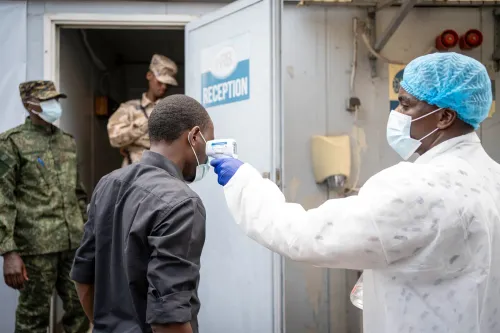
Screening at airports and all points of entry has been enhanced in response to the African outbreak.
Standard Operating Procedures (SOPs) and advisories have been shared with all States and Union Territories .
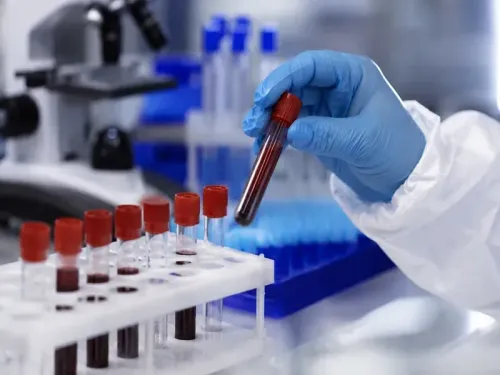
ICMR and NCDC have been directed to maintain full readiness for tracking, testing, and surveillance.
The response is being conducted under the guidance of Prime Minister Narendra Modi .
India's current protocols build on frameworks established during the 2014–2016 West African Ebola outbreak and updated post- COVID-19 .
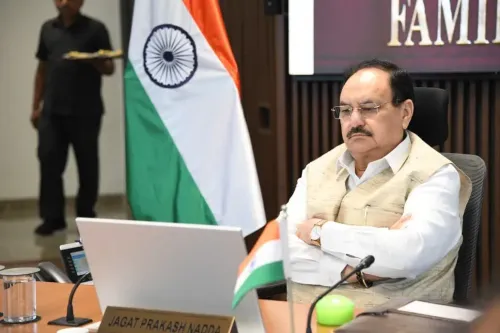
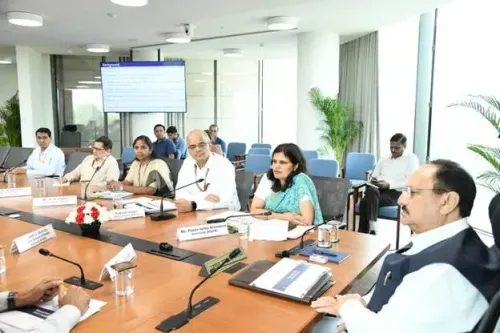
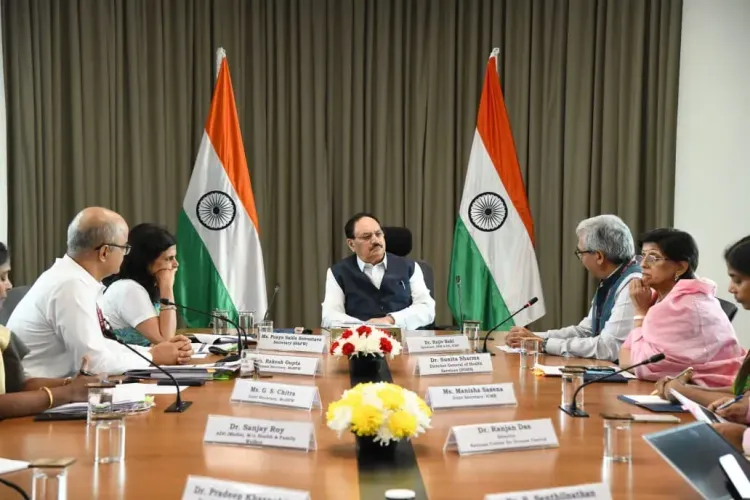
Union Health Minister J. P. Nadda on Monday, 25 May 2026 reviewed India's preparedness and surveillance measures for Ebola disease following a recent outbreak in parts of Africa, confirming that India has not reported any case of Bundibugyo Ebola disease to date. The minister said screening at airports and other points of entry has been enhanced and that Standard Operating Procedures have been put in place across the country.
Context
Nadda stated that under the guidance of Prime Minister Narendra Modi, the government is 'closely monitoring the situation.' He directed officials of the Ministry of Health and Family Welfare, the Indian Council of Medical Research (ICMR), and the National Centre for Disease Control (NCDC) to maintain 'full readiness for tracking, testing, and surveillance.' Advisories along with SOPs have been shared with all States and Union Territories.
The Bundibugyo ebolavirus is a species of the Ebola virus family previously linked to outbreaks in Uganda and the Democratic Republic of Congo. It is classified among the viral haemorrhagic fevers that trigger international surveillance alerts under the International Health Regulations (IHR, 2005).
Policy Backdrop
India's response draws on a layered preparedness framework built over more than a decade. During the 2014–2016 West African Ebola outbreak, the government activated airport passenger screening and issued national guidelines through the health ministry. The Integrated Disease Surveillance Programme (IDSP), established in 2004, expanded reporting mechanisms for viral haemorrhagic fevers under NCDC.
Following the COVID-19 pandemic, India revised its point-of-entry protocols in alignment with the IHR (2005) framework for high-risk pathogens. The current activation — enhanced screening, fresh SOPs, and state-level advisories — mirrors the response architecture deployed during earlier Ebola and Nipah alerts, emphasising early laboratory detection and inter-agency coordination over reactive containment.
Stakeholders and Impact
ICMR serves as the apex body for diagnostics and laboratory network coordination, while NCDC is the nodal agency for outbreak investigation and surveillance protocols. State health departments and airport authorities are the primary implementing arms, with public health laboratories on standby for any suspected samples.
International travellers arriving from or transiting through affected regions in Africa are the primary population subject to enhanced screening. The advisory to all 36 States and Union Territories ensures that surveillance is not limited to major international airports but extends to all designated points of entry across the country.
What's Next
The Ministry of Health and Family Welfare is expected to track further situation reports from the World Health Organization (WHO) on the African outbreak and may issue updated case definitions or testing algorithms for state laboratories as the situation evolves. The government's stated posture — proactive monitoring rather than reactive containment — suggests incremental tightening of protocols if the outbreak expands geographically.
With ICMR and NCDC on full readiness, India's public health architecture is positioned to escalate rapidly should any suspected case emerge at a point of entry or within the community, underscoring the country's commitment to its obligations under international health law.
Point of View
The statement elevates the response above routine bureaucratic action, framing health security as a top-executive priority. The simultaneous activation of ICMR, NCDC, and state-level channels reflects a post-COVID institutional muscle memory that India has deliberately cultivated. The move also positions the health ministry ahead of any potential escalation, reducing the political risk of being caught unprepared should the African outbreak spread further.
NationPress
14 Oct 2026
Frequently Asked Questions
Has India reported any Ebola case in 2026?
No. As of 25 May 2026 , India has not reported any case of Bundibugyo Ebola disease, according to Union Health Minister J. P. Nadda .
What is Bundibugyo Ebola disease?
Bundibugyo ebolavirus is a species of the Ebola virus family previously associated with outbreaks in Uganda and the Democratic Republic of Congo . It causes viral haemorrhagic fever and is monitored under the International Health Regulations (2005) .
What steps has India taken to prevent Ebola from entering the country?
India has enhanced screening at airports and other points of entry , issued Standard Operating Procedures (SOPs) to all States and Union Territories, and directed ICMR and NCDC to maintain full surveillance and testing readiness.
What is NCDC's role in India's Ebola response?
The National Centre for Disease Control (NCDC) is the nodal agency under the Ministry of Health responsible for disease surveillance, outbreak investigation, and coordinating response protocols across states.
Which ministry is handling India's Ebola preparedness?
The Ministry of Health and Family Welfare , led by Union Minister J. P. Nadda , is overseeing the response in coordination with ICMR and NCDC , and under the broader guidance of Prime Minister Narendra Modi .