Nadda Chairs Pre-Monsoon Dengue & Malaria Review Meet
Synopsis
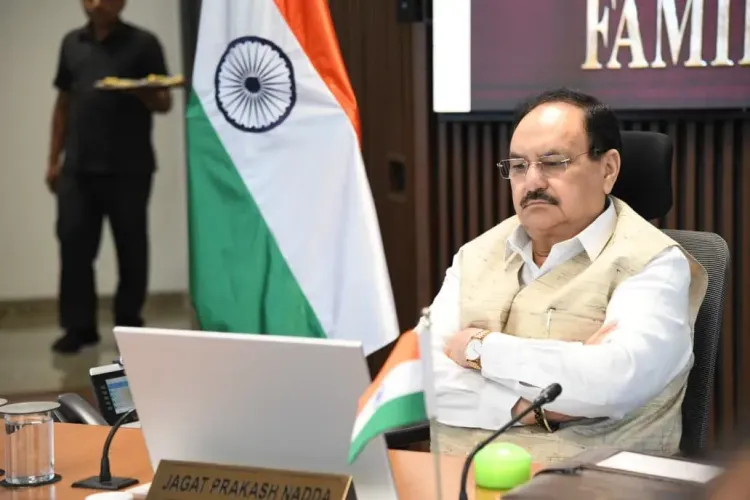
Union Health Minister J. P. Nadda chaired a high-level pre-monsoon review on dengue and malaria preparedness on June 18, 2026, directing all States and UTs to strengthen surveillance, ensure medicine and bed availability, and intensify vector control ahead of the monsoon season.
Key Takeaways
Nadda chaired a high-level review meeting on June 18, 2026 focused on pre-monsoon dengue and malaria preparedness.
Hospitals and health systems have been directed to maintain readiness with emphasis on early detection and timely treatment .
All States and Union Territories have been asked to ensure availability of medicines, diagnostics, blood components, hospital beds, and trained personnel.
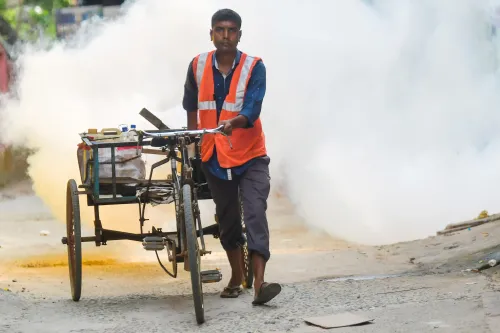
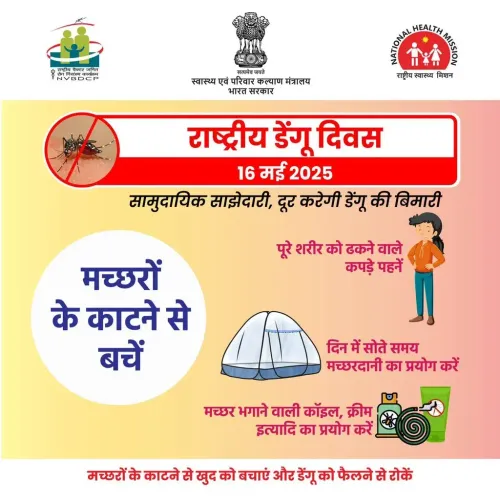
Intensified vector control and public awareness efforts have been mandated across all sub-national units.
The directives align with the National Vector Borne Disease Control Programme and the National Strategic Plan for Malaria Elimination 2017–2030 .
The Modi Government has committed to extending all necessary support to states for an effective and timely monsoon-season response.
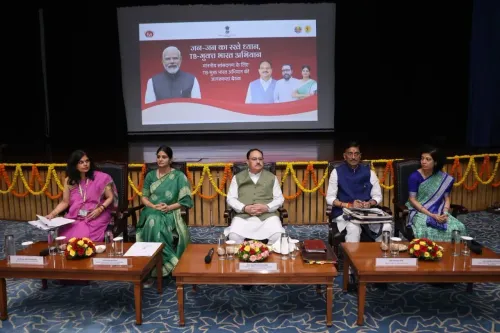
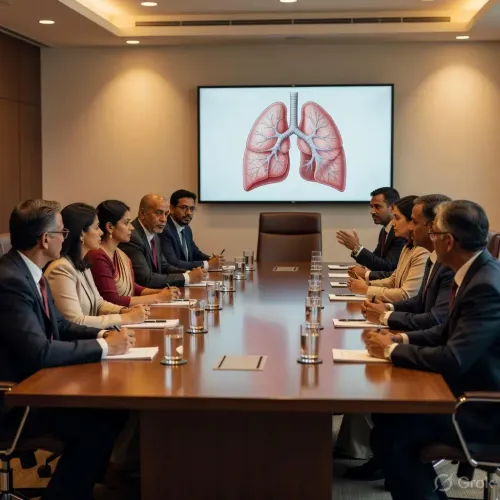
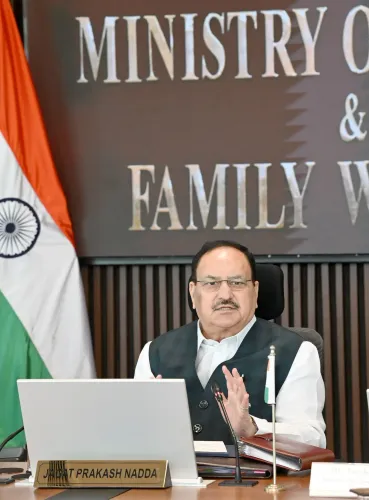
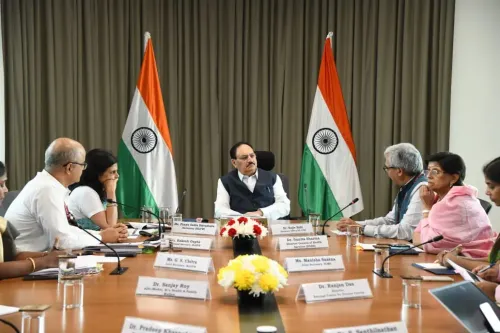
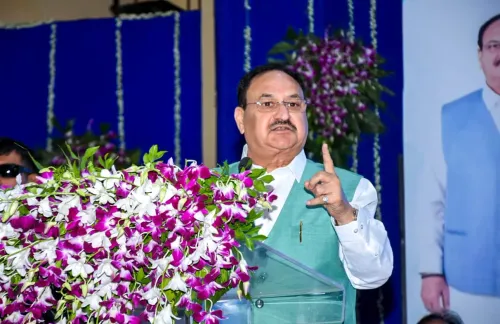
Union Health Minister J. P. Nadda on Thursday, June 18, 2026, chaired a high-level review meeting to assess national preparedness for the prevention and control of dengue and malaria ahead of the monsoon and post-monsoon season. The meeting directed hospitals, health systems, and all States and Union Territories to strengthen surveillance, logistics, and vector-control measures before seasonal disease surges take hold.
Context
Posting on X, Nadda stated that hospitals and health systems have been directed to 'maintain readiness, with emphasis on early detection, timely treatment and strict adherence to prevention, diagnosis and treatment protocols.' He added that all States/UTs have been asked to ensure availability of medicines, diagnostics, blood components, hospital beds, and trained healthcare personnel, while intensifying vector control and public awareness efforts.
The minister underlined that 'protecting citizens from vector-borne diseases remains a public health priority,' and that the Narendra Modi Government is committed to extending 'all necessary support to States/UTs for an effective and timely response.'
Policy Backdrop
The review is consistent with a long-standing practice of pre-monsoon coordination between the Ministry of Health and Family Welfare and sub-national governments. The National Vector Borne Disease Control Programme (NVBDCP), operating under the National Health Mission, provides the central framework for surveillance, prevention, and control of malaria, dengue, and other vector-borne diseases across India.
India also operates under the National Strategic Plan for Malaria Elimination 2017–2030, which sets phased targets for reducing and eventually eliminating malaria. Annual pre-monsoon reviews have been a regular feature of Health Ministry operations since the early 2000s, reflecting a policy emphasis on integrated disease surveillance and elimination rather than reactive crisis management.
Stakeholders and Impact
State health departments bear primary responsibility for on-ground implementation of the directives — from stocking anti-malarial and anti-dengue medicines to deploying vector-control teams and ensuring adequate blood component availability. Healthcare workers at district and sub-district hospitals are central to the early-detection mandate, as timely case identification is critical to preventing fatality clusters during peak transmission months.
For the general public, the directives translate into heightened awareness campaigns, faster diagnostic access, and better-stocked public health facilities during a period when stagnant monsoon water creates ideal breeding conditions for the Aedes and Anopheles mosquito vectors responsible for dengue and malaria respectively.
What's Next
The effectiveness of the preparedness drive will be tested as the 2026 monsoon progresses across different regions of India. State compliance reports on medicine stocks, surveillance data, and bed availability will be key indicators of how well the central directives have been translated into ground-level readiness. Any significant gaps in state-level response or a spike in case counts could prompt follow-up review meetings or parliamentary scrutiny of vector-borne disease budgets and programme outcomes.
Point of View
' the Health Ministry is also signalling political accountability for monsoon-season health outcomes. The emphasis on early detection and protocol adherence suggests a continued pivot from reactive outbreak response toward systematic, surveillance-led disease management. Whether state health departments — many of which face chronic shortfalls in personnel and medicine stocks — can translate these directives into operational readiness within the available window remains the critical variable.
NationPress
18 Sept 2026
Frequently Asked Questions
Why did J. P. Nadda hold a dengue and malaria review meeting in June 2026?
J. P. Nadda chaired the high-level review on June 18, 2026 , specifically to assess and strengthen national preparedness ahead of the monsoon and post-monsoon season, when dengue and malaria cases typically surge due to increased mosquito breeding.
What did the Health Ministry direct States and UTs to do for dengue and malaria control?
All States and Union Territories were directed to strengthen disease surveillance, ensure adequate stocks of medicines, diagnostics, and blood components, maintain sufficient hospital beds and trained healthcare personnel, and intensify vector control and public awareness campaigns.
What is the National Vector Borne Disease Control Programme?
The National Vector Borne Disease Control Programme (NVBDCP) is a central scheme under the National Health Mission that provides the framework for surveillance, prevention, and control of malaria, dengue, and other vector-borne diseases across India.
What is India's plan for malaria elimination?
India operates under the National Strategic Plan for Malaria Elimination 2017–2030 , which sets phased targets for reducing and eventually eliminating malaria, with annual pre-monsoon reviews forming a key part of the strategy.
How does the monsoon season affect dengue and malaria in India?
The monsoon season creates stagnant water bodies that serve as breeding grounds for Aedes and Anopheles mosquitoes, the vectors responsible for dengue and malaria respectively, leading to predictable seasonal surges in case counts across India every year.