Nadda Rallies Karnataka, Kerala MPs for TB-Free India Push
Synopsis
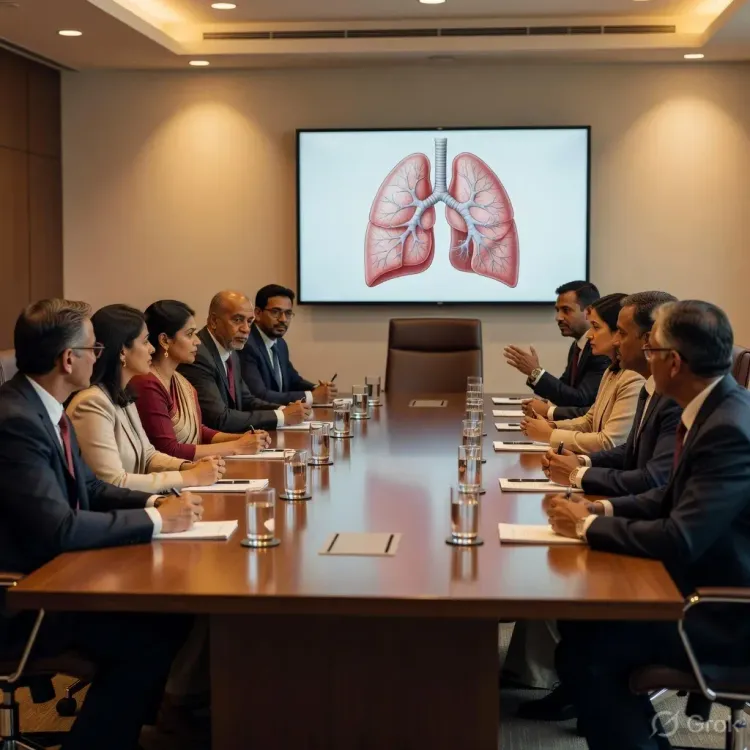
Health Minister J. P. Nadda met MPs from Karnataka and Kerala on 11 August 2026 to strengthen TB elimination efforts, urging community participation, early detection, district monitoring, and the adoption of AI-enabled diagnostics under the National TB Elimination Programme.
Key Takeaways
Nadda held a focused interaction with MPs from Karnataka and Kerala on 11 August 2026 on TB elimination.
MPs were urged to strengthen community participation, promote early detection, and enhance district-level monitoring.
AI-enabled diagnostics and indigenous innovations were highlighted as key technological drivers of India's TB fight.
PM Modi had pledged at the 2018 Delhi End TB Summit to eliminate TB by 2025 , five years ahead of the SDG target.
The Nikshay Poshan Yojana (launched 2018 ) provides direct nutritional support transfers to notified TB patients under the NTEP .
The government is framing TB elimination as a Jan Andolan — a mass people's movement — to drive last-mile behaviour change.
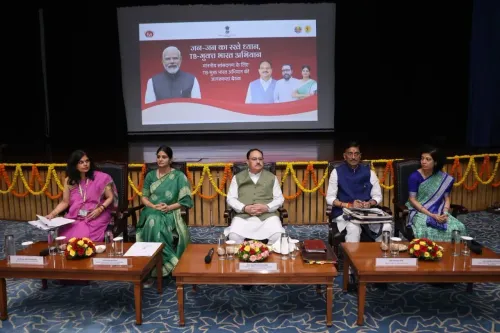
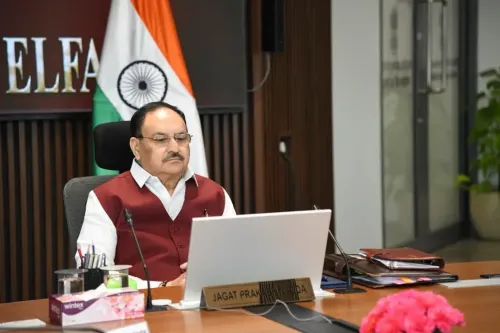
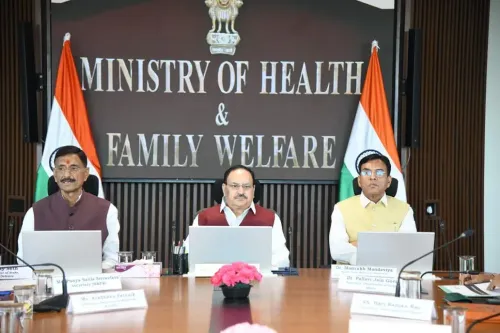
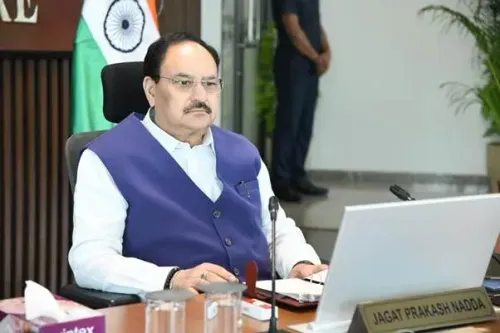
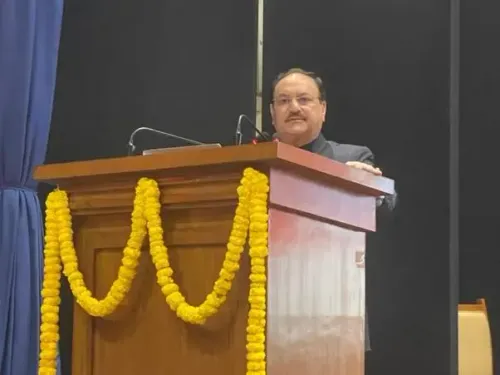
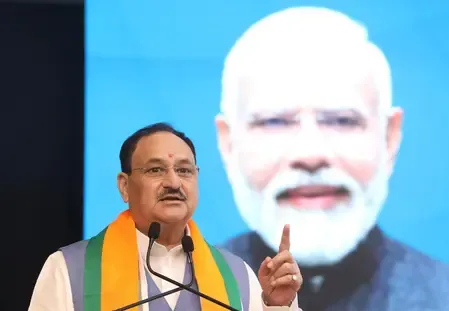
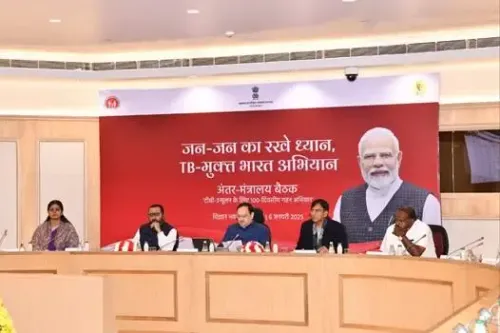
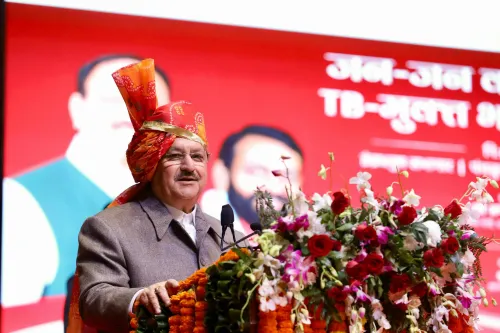
Two southern states, one urgent mission — Union Health Minister J. P. Nadda convened a high-level interaction with Members of Parliament from Karnataka and Kerala on Tuesday, 11 August 2026, pressing them to become frontline soldiers in India's war against tuberculosis.
What Nadda asked of southern MPs
The Health Minister was direct about what the centre needs from state-level representatives. Nadda urged the MPs to deepen community participation, accelerate early detection drives, and tighten district-level monitoring — the three levers that public health experts consistently identify as the difference between a programme that looks good on paper and one that actually saves lives.
He also spotlighted the technology edge India is now deploying: indigenous diagnostic innovations and AI-enabled diagnostics that can flag TB cases faster and with greater accuracy than conventional methods, alongside enhanced patient support systems designed to keep patients on treatment until they are cured.
The Jan Andolan frame — and why it matters
Nadda's framing of the TB fight as a Jan Andolan — a people's movement — is deliberate and carries political weight. The language signals that the government wants TB elimination to be felt at the street level, not just administered from Delhi. Parliamentarians, with their constituency networks and local credibility, are the natural bridge between national policy and village-level behaviour change.
The stakes are high. Prime Minister Narendra Modi pledged at the 2018 Delhi End TB Summit to make India TB-free by 2025 — five years ahead of the global Sustainable Development Goal target. That deadline has passed; the mission has not. The National TB Elimination Programme (NTEP) continues to drive detection, treatment and support, with the Nikshay Poshan Yojana — launched in 2018 — channelling direct nutritional support payments to notified TB patients to address the poverty-disease cycle at its root.
Why Karnataka and Kerala, why now
Periodic state-group briefings with MPs are a deliberate NTEP strategy to keep district monitoring from going cold between budget cycles. Bringing southern state representatives together signals that the centre is not treating TB elimination as a north-India problem alone — both Karnataka and Kerala have distinct epidemiological profiles and health infrastructure strengths that can be leveraged for model district outcomes.
The emphasis on AI diagnostics and indigenous tools also reflects a maturing programme: having built the policy scaffolding over the last eight years, the government is now pushing technology and political ownership as the final-mile accelerants.
If parliamentarians convert this interaction into district-level action, India's TB elimination story could yet find its most important chapter in the south.
Point of View
And is recalibrating its messaging from a top-down target to a sustained, community-embedded movement. Bringing southern states into the conversation diversifies the political coalition behind TB elimination beyond its traditional north-India framing. The push on AI diagnostics suggests the centre is betting on technology to compress the detection lag that remains the programme's most stubborn bottleneck.
NationPress
26 Sept 2026
Frequently Asked Questions
What is India's target for TB elimination?
India aims to eliminate tuberculosis by 2025, five years ahead of the global SDG target of 2030 — a commitment made by PM Modi at the 2018 Delhi End TB Summit. The National TB Elimination Programme continues to drive this mission.
What is the Nikshay Poshan Yojana?
Nikshay Poshan Yojana is a central scheme launched in 2018 that provides direct benefit transfers for nutritional support to all notified TB patients in India, addressing the poverty-disease link central to TB transmission.
Why did Nadda meet Karnataka and Kerala MPs specifically?
Nadda met MPs from Karnataka and Kerala to strengthen state-level political ownership of TB elimination efforts, focusing on district monitoring, early detection, and community participation in these southern states.
What role does AI play in India's TB elimination programme?
AI-enabled diagnostics are being deployed under the NTEP to detect TB cases faster and more accurately than conventional methods, helping close the detection gap that remains one of the programme's key challenges.
What is TB Mukt Bharat?
TB Mukt Bharat — or TB-Free India — is the overarching national goal framing India's tuberculosis elimination drive, anchored in the National TB Elimination Programme and championed as a Jan Andolan, or people's movement, under PM Modi's leadership.