Nadda Chairs Delhi Meet on Dengue, TB Mukti Push
Synopsis
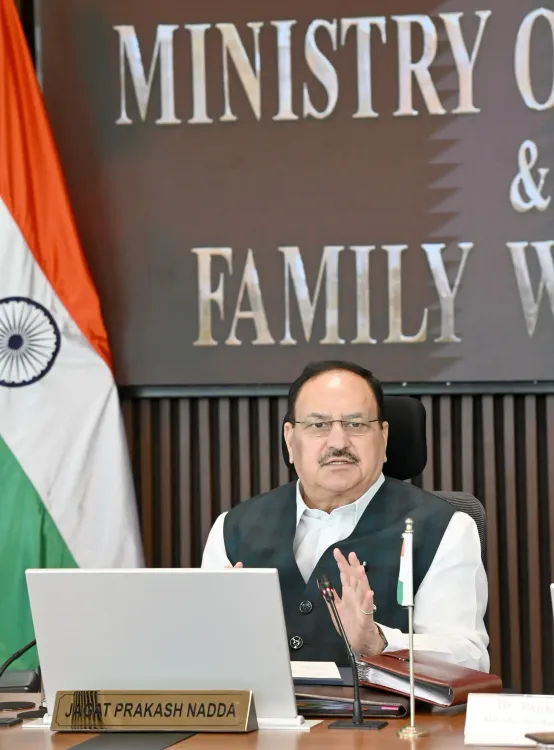
Union Health Minister J. P. Nadda chaired high-level review meetings with the Delhi Government on July 1, 2026, assessing dengue preparedness and TB Mukt Bharat Abhiyaan progress, while calling for broader Jan Bhagidari, MY Bharat volunteer deployment, and coordinated centre-state action to protect the national capital's public health.
Key Takeaways
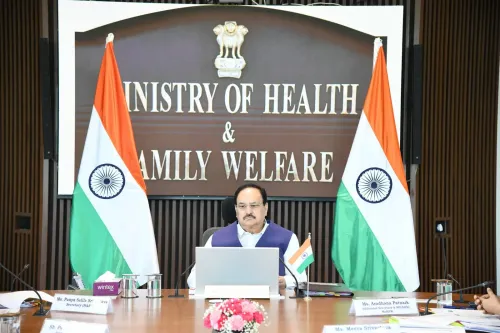
Nadda chaired high-level review meetings with the Delhi Government on July 1, 2026 , covering both dengue preparedness and TB Mukt Bharat Abhiyaan implementation.
The meetings stressed proactive surveillance, timely case detection, and hospital readiness ahead of the 2026 monsoon dengue season.
Nadda called for greater Jan Bhagidari , enlisting elected representatives, RWAs , Ward Committees, and citizens as active partners.
Increased deployment of MY Bharat youth volunteers was directed, in line with Prime Minister Modi 's guidance at a recent PRAGATI meeting.
The TB Mukt Bharat Abhiyaan operates under NTEP , India's national programme targeting TB elimination, with Delhi as a key implementation site.
The review reaffirmed centre-state coordination as central to achieving time-bound public-health targets in the national capital.
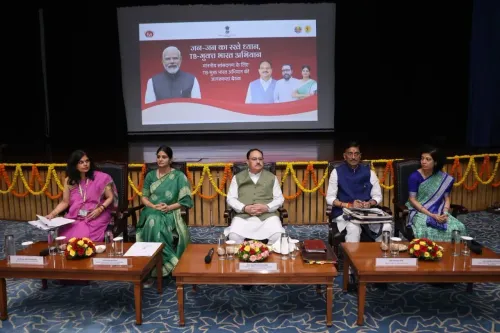
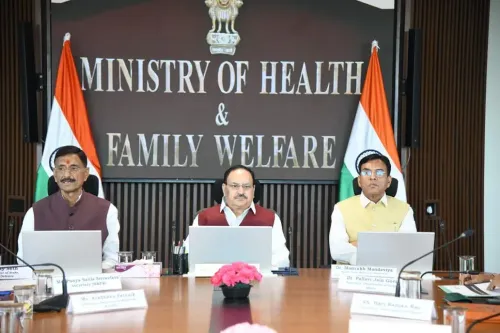
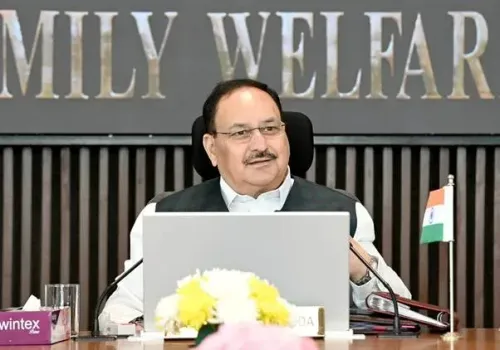
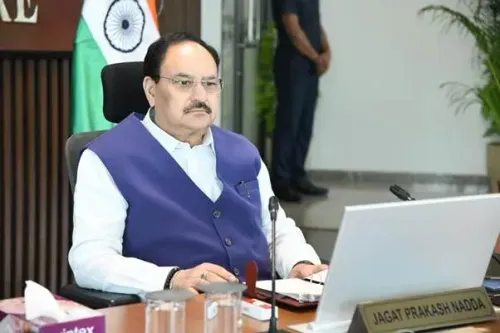
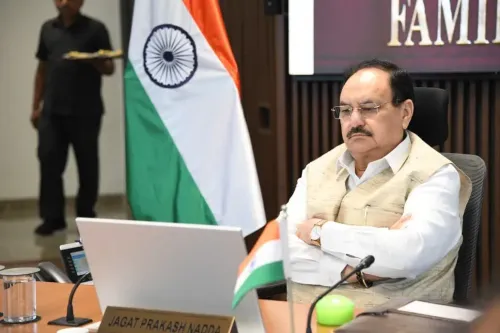
Union Health Minister J. P. Nadda chaired high-level review meetings with the Delhi Government on Wednesday, July 1, 2026, to assess the national capital's dengue preparedness and the on-ground implementation of the #TBMuktBharat Abhiyaan.
Context
The meetings focused on strengthening Delhi's response to two concurrent public-health priorities: the seasonal surge in vector-borne diseases and the national drive to eliminate tuberculosis. Nadda called for 'Jan Chetna through Jan Bhagidari' — awareness through people's participation — as the central strategy to prevent dengue outbreaks and accelerate TB detection in the capital.
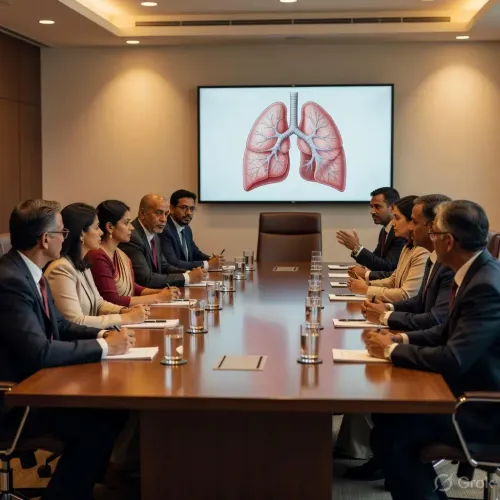
Emphasis was placed on proactive measures, intensified surveillance, timely case detection, and hospital readiness ahead of the 2026 monsoon season, when dengue transmission historically peaks across Delhi.
Policy Backdrop
The TB Mukt Bharat Abhiyaan operates under India's National TB Elimination Programme (NTEP), which replaced the earlier RNTCP in 2020 with a mandate to end tuberculosis by 2025 through early detection, uninterrupted treatment, and sustained community participation. Delhi, as the national capital, serves as a high-visibility implementation site for the programme.
Nadda also highlighted the increased deployment of MY Bharat volunteers — drawn from the youth engagement platform launched in 2023 — in line with directions issued by Prime Minister Narendra Modi at a recent PRAGATI meeting. The PRAGATI platform, instituted in 2014, enables the Prime Minister to review central-scheme implementation across states and flag course corrections in real time.
Stakeholders and Impact
The review called on a broad coalition of actors to take ownership of both missions: elected representatives, Resident Welfare Associations (RWAs), Ward Committees, and individual citizens were specifically named as partners in the effort. The inclusion of MY Bharat volunteers signals an intent to scale grassroots outreach beyond conventional health-department channels.
For Delhi's residents — particularly those in high-density localities vulnerable to both dengue and TB — the review translates into expectations of increased door-to-door surveillance, community awareness drives, and faster referral pathways to treatment facilities. Health workers and frontline volunteers form the operational backbone of both campaigns.
What's Next
Dengue case trends through the 2026 monsoon and quarterly TB notification data from Delhi under NTEP will be closely watched as indicators of whether the preparedness measures discussed translate into measurable outcomes. Nadda reaffirmed the government's commitment to 'building a healthier Delhi through strengthened healthcare systems, active public participation, and collective, coordinated efforts.' Further PRAGATI-linked directives on volunteer deployment in other states are expected as the monsoon season progresses, potentially extending the Delhi model to other high-burden cities.
Point of View
Ward Committees, and elected representatives as co-owners of the mission is consistent with a broader shift toward community-owned health delivery, reducing the Centre's dependence on overstretched frontline workers alone. How Delhi translates these directives into measurable TB notifications and dengue containment data through the monsoon will be a litmus test for this model of coordinated, multi-stakeholder governance.
NationPress
30 Sept 2026
Frequently Asked Questions
What is the TB Mukt Bharat Abhiyaan?
The TB Mukt Bharat Abhiyaan is a national campaign under India's National TB Elimination Programme (NTEP) aimed at eliminating tuberculosis through early detection, uninterrupted treatment, and community participation. NTEP replaced the earlier RNTCP in 2020 with a target to end TB in India by 2025.
Why did J. P. Nadda hold a review meeting with the Delhi Government?
Union Health Minister J. P. Nadda chaired the meeting on July 1, 2026, to assess Delhi's dengue preparedness ahead of the monsoon season and to review progress on the TB Mukt Bharat Abhiyaan's implementation in the national capital.
What is MY Bharat and what role will it play in Delhi's health drive?
MY Bharat is a youth volunteer platform launched in 2023 to expand citizen engagement in government programmes. Nadda called for increased MY Bharat volunteer involvement in both dengue awareness and TB elimination efforts in Delhi, in line with Prime Minister Modi's directions at a recent PRAGATI meeting.
What is a PRAGATI meeting?
PRAGATI — Pro-Active Governance and Timely Implementation — is a platform instituted by Prime Minister Narendra Modi in 2014 to review the implementation of central government schemes and projects at the state level, enabling real-time course corrections.
What measures were discussed to prevent dengue outbreaks in Delhi?
The review emphasised proactive measures including intensified surveillance, timely case detection, strengthening hospital readiness, and promoting public awareness through Jan Bhagidari, involving RWAs, Ward Committees, elected representatives, and citizens.