TB Mukt Bharat Abhiyaan: JP Nadda chairs Delhi review, flags dengue risk
Synopsis
Health Minister JP Nadda's twin review meetings on 1 July put two urgent public health battles under the spotlight: India's push to eliminate TB by 2025 and Delhi's readiness for a seasonal dengue surge. His call for elected representatives to be embedded in TB ward-level monitoring — backed by AI-assisted X-ray machines — marks a structural shift from top-down health delivery to community-driven accountability.
Key Takeaways
Health Minister JP Nadda chaired two review meetings on 1 July covering the TB Mukt Bharat Abhiyaan and dengue preparedness for Delhi .
Nadda called for Jan Bhagidari — active community and public representative participation — as essential to bridging the TB elimination gap.
MPs, MLAs, and Municipal Councillors are to be regularly briefed on TB burdens in their constituencies to strengthen grassroots implementation.
Every ward will have a designated senior government officer to monitor TB campaign progress.
Support announced for more AI-integrated handheld X-ray machines to improve early TB diagnosis.
Delhi's dengue mortality rate stands at 0.11% ; Nadda urged heightened vigilance ahead of monsoon months.
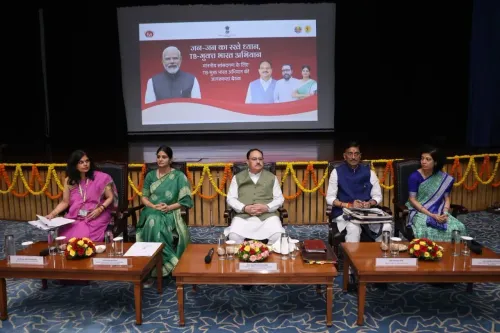
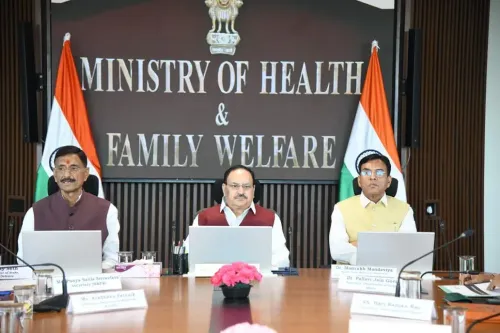
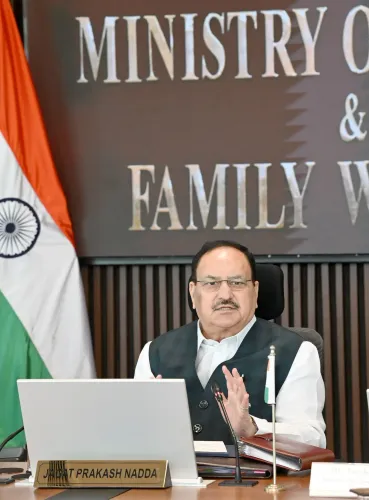
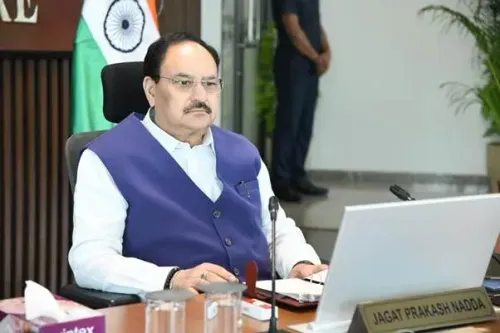
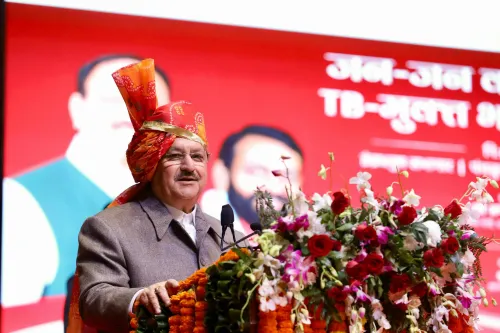
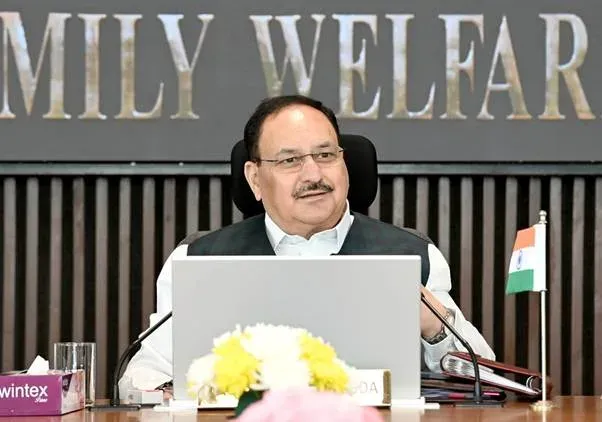
Union Health Minister JP Nadda on Wednesday, 1 July chaired two high-level review meetings in New Delhi — one on the TB Mukt Bharat Abhiyaan and its 100-day campaign with the government of the National Capital Territory (NCT) of Delhi, and another on dengue preparedness ahead of the monsoon season. Nadda stressed that closing the gap between tuberculosis elimination efforts and on-ground outcomes requires a broad-based people's movement, not just health system action.
Jan Bhagidari at the Centre of TB Strategy
Nadda made clear that TB elimination cannot be achieved by the health machinery alone. He called for active participation from communities, public representatives, and civil society — a model the government refers to as Jan Bhagidari (people's participation).
The minister directed that Members of Parliament, Members of Legislative Assemblies, and Municipal Councillors be regularly briefed by health officials on the TB burden in their respective constituencies. These briefings, he said, should cover the challenges being faced, the solutions being deployed, and the specific role elected representatives can play in accelerating case detection, ensuring treatment adherence, and mobilising community support.
Nadda described public representatives as a critical bridge between the government and citizens, arguing their involvement could significantly strengthen grassroots implementation. He also directed that every ward have a designated senior government officer to monitor campaign progress — a move aimed at tightening accountability at the local level.
AI-Powered X-Ray Machines to Boost TB Detection
Highlighting technology as a force multiplier, Nadda announced that support would be extended for a greater number of handheld X-ray machines integrated with Artificial Intelligence (AI) to enable early diagnosis and improve case detection rates. The use of AI-assisted portable imaging is seen as particularly important for reaching populations in areas with limited access to conventional diagnostic infrastructure.
This comes amid the government's broader push to eliminate tuberculosis in India by 2025 — five years ahead of the global Sustainable Development Goal target of 2030. India accounts for a significant share of the global TB burden, making community-level mobilisation and early detection critical levers.
Dengue Preparedness Review Ahead of Monsoon
In the second meeting, Nadda reviewed Delhi's readiness to handle the seasonal surge in dengue cases. The session assessed the evolving epidemiological situation, the preparedness of healthcare institutions, and the readiness of civic agencies across the capital.
A comprehensive action plan for dengue prevention and control in Delhi was presented, covering disease surveillance, vector management, case detection, clinical management, and public awareness. Officials briefed the minister on both the national dengue scenario and the specific measures being undertaken in the NCT.
Nadda noted that dengue incidence is currently low, with a mortality rate of 0.11 per cent — a figure he described as very low. However, he cautioned that vigilance must be maintained as the monsoon months, which typically drive a spike in vector-borne diseases, approach. He specifically stressed the importance of preparedness in the forthcoming months.
What Comes Next
With the monsoon already underway and the TB 100-day campaign in active implementation, the dual focus of Wednesday's meetings signals the Centre's intent to use the coming weeks as a critical window for both disease surveillance and community outreach. Whether the Jan Bhagidari model translates into measurable gains on TB case detection — and whether ward-level monitoring delivers accountability — will determine the campaign's real impact.
Point of View
Yet the bottleneck in TB elimination has rarely been diagnosis alone; treatment adherence and stigma remain the harder problems. On dengue, a 0.11% mortality rate is reassuring today, but Delhi's civic infrastructure for vector control has historically underperformed during peak monsoon weeks. The real test of both reviews is whether they produce binding action, not just action plans.
NationPress
30 Sept 2026
Frequently Asked Questions
What is the TB Mukt Bharat Abhiyaan?
The TB Mukt Bharat Abhiyaan is India's national campaign to eliminate tuberculosis by 2025, five years ahead of the global SDG target of 2030. It focuses on accelerating case detection, ensuring treatment adherence, and mobilising community participation through a Jan Bhagidari model.
What did JP Nadda direct regarding ward-level TB monitoring?
Nadda directed that every ward have a designated senior government officer responsible for monitoring the progress of the TB campaign. He also called for MPs, MLAs, and Municipal Councillors to be regularly briefed by health officials on TB burdens and challenges in their constituencies.
How will AI be used in TB detection under the new push?
The government will extend support for a larger number of handheld X-ray machines integrated with Artificial Intelligence to enable early TB diagnosis. These portable devices are intended to improve case detection, particularly in areas with limited access to conventional diagnostic facilities.
What is Delhi's current dengue situation ahead of monsoon 2025?
According to the review meeting, dengue incidence in Delhi is currently low, with a mortality rate of 0.11%. However, Health Minister Nadda cautioned that vigilance is essential as the monsoon season — which typically drives a spike in vector-borne disease cases — progresses.
Why is Jan Bhagidari considered critical for TB elimination?
Nadda argued that the health system alone cannot eliminate TB, and that community-level participation — from civil society, elected representatives, and citizens — is essential to bridge the gap between policy efforts and on-ground outcomes. Public representatives are seen as a key link between government programmes and local communities.