Nadda Reviews TB Mukt Bharat Abhiyan, 28 Cr Screened
Synopsis
Union Health Minister J. P. Nadda reviewed the TB Mukt Bharat Abhiyan on 19 June 2026, citing over 28 crore screenings, a 34-fold jump in X-ray detection, 5.7 lakh new Nikshay Mitras, and 1.7 lakh Ayushman Arogya Shivirs as the campaign enters its final phase.
Key Takeaways
Over 28 crore people screened since the launch of the first phase of the Intensified 100-Day TB Mukt Bharat Abhiyan.
20 lakh individuals have received TB Preventive Treatment under the campaign.
5.7 lakh new Nikshay Mitras have enrolled, expanding community-level nutritional and treatment support.
Handheld X-ray machine deployment has driven a 34-fold increase in X-ray screening for active case finding.
The second phase, launched 24 March 2026 , has organised over 1.7 lakh Ayushman Arogya Shivirs covering more than 1.2 lakh high-risk villages, wards and congregate settings .
Nadda convened Health Ministers and Chief Secretaries of all States/UTs to chart the roadmap for the campaign's final phase.
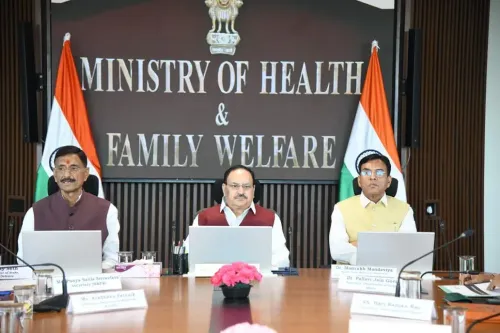
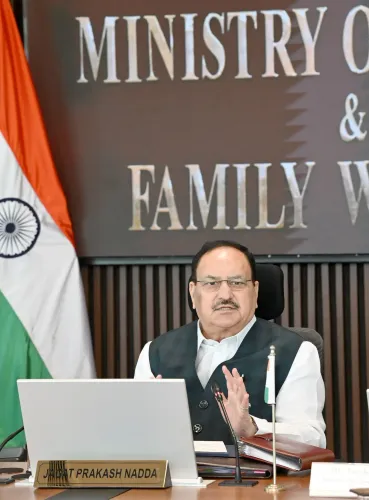
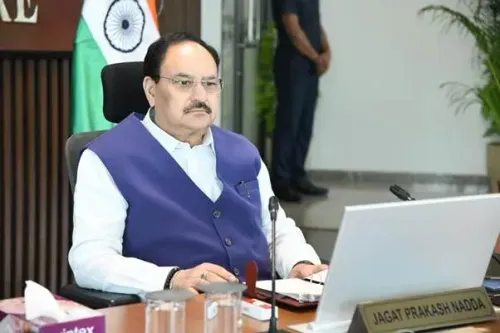
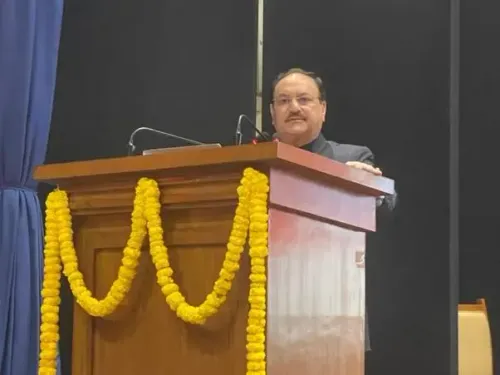
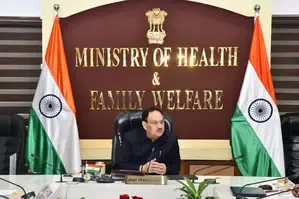
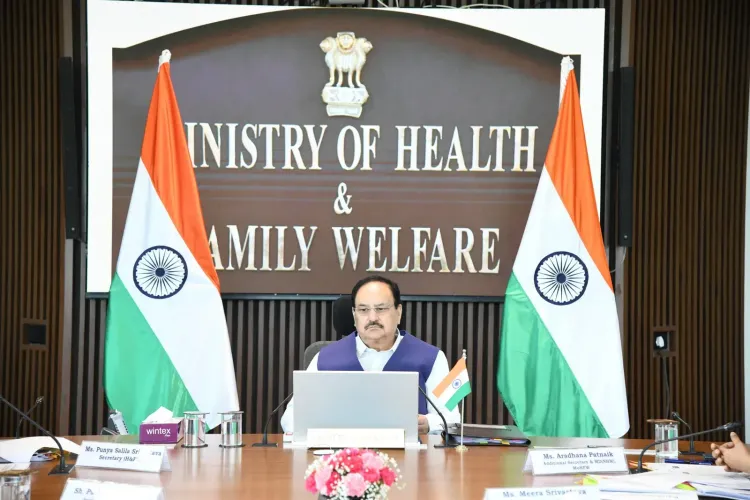
Union Health Minister J. P. Nadda on Friday, 19 June 2026 chaired a high-level virtual review meeting with Health Ministers, Chief Secretaries and senior officials of States and Union Territories to assess the progress of the TB Mukt Bharat Abhiyan and chart the roadmap towards a tuberculosis-free India.
Context
Nadda stated that since the launch of the first phase of the Intensified 100-Day TB Mukt Bharat Abhiyan, over 28 crore people have been screened and 20 lakh individuals have received TB Preventive Treatment. An additional 5.7 lakh new Nikshay Mitras — community volunteers who provide nutritional and treatment support to TB patients — have joined the national movement, expanding its grassroots reach significantly.
The large-scale deployment of handheld X-ray machines has produced a 34-fold increase in X-ray screening, substantially strengthening active case-finding efforts across the country. This shift from passive to proactive surveillance marks a decisive departure from earlier detection methods under the National TB Elimination Programme (NTEP).
Policy Backdrop
India's push to eliminate tuberculosis predates this campaign. At the Delhi End TB Summit in 2018, Prime Minister Narendra Modi committed India to eliminating TB by 2025 — five years ahead of the global Sustainable Development Goal timeline. The National Strategic Plan for TB Elimination 2017-2025 reoriented the programme from control to elimination, placing active case-finding at its centre.
The Nikshay Poshan Yojana, also launched in 2018, underpins the nutritional support pillar of the campaign by delivering direct benefit transfers to TB patients. The current intensified campaign builds on this architecture, adding technology-driven screening and community mobilisation at scale.
The second phase of the campaign, launched on 24 March 2026, has seen more than 1.7 lakh Ayushman Arogya Shivirs organised, covering over 1.2 lakh high-risk villages, wards and congregate settings, bringing screening and awareness services closer to vulnerable populations.
Stakeholders and Impact
The review meeting brought together the full administrative chain — state Health Ministers, Chief Secretaries and senior officials — reflecting the 'Whole-of-Government and Whole-of-Society' approach Nadda described as central to the mission. TB patients, rural and peri-urban communities, and frontline health workers are the primary beneficiaries of the campaign's last-mile outreach.
Nikshay Mitras play a particularly critical role: as community sponsors, they provide nutritional baskets and moral support to patients who might otherwise drop out of treatment. The addition of 5.7 lakh new Nikshay Mitras in this phase represents a substantial expansion of that volunteer network.
Nadda emphasised that reducing TB mortality, ensuring nutritional support and accelerating last-mile action remain the highest priorities as the campaign enters its final phase, stating: 'Every missing TB case must be found and treated.'
What's Next
With the intensified campaign in its concluding phase, attention will turn to state-wise TB notification and mortality data expected in the coming quarter. Nadda made clear that the mission's success depends on every State, every UT and every district achieving TB-free status — setting a high bar for sub-national performance.
Any revision to NTEP allocations in the next parliamentary session will be closely watched as an indicator of the Centre's fiscal commitment to sustaining the gains made during the campaign. India's ability to meet its accelerated elimination target now hinges on converting screening numbers into confirmed case treatment and cure at scale.
Point of View
Which India has already missed. The decision to hold a joint review with both Health Ministers and Chief Secretaries, rather than health officials alone, reflects a deliberate attempt to make TB elimination a whole-of-government accountability exercise rather than a departmental one. The Nikshay Mitra expansion also points to a model where civil society and corporate sponsors are being co-opted to fill nutritional support gaps that the state alone cannot address at scale. With the campaign entering its final phase, the political stakes are high: the gap between screening numbers and actual case notification rates will be the true test of whether this intensification has translated into elimination progress.
NationPress
19 Sept 2026
Frequently Asked Questions
What is the TB Mukt Bharat Abhiyan?
The TB Mukt Bharat Abhiyan is India's national intensified campaign under the National TB Elimination Programme, combining active case finding, TB Preventive Treatment, community volunteer support through Nikshay Mitras, and health camps to achieve a tuberculosis-free India ahead of the global SDG timeline.
How many people have been screened under the TB Mukt Bharat Abhiyan?
Over 28 crore people have been screened since the launch of the first phase of the Intensified 100-Day TB Mukt Bharat Abhiyan, according to Union Health Minister J. P. Nadda's review on 19 June 2026.
Who are Nikshay Mitras and what do they do?
Nikshay Mitras are community volunteers — individuals, corporates or organisations — who adopt TB patients and provide nutritional support, medicines and encouragement to help them complete treatment. Over 5.7 lakh new Nikshay Mitras joined the campaign in its intensified phase.
What are Ayushman Arogya Shivirs in the context of TB?
Ayushman Arogya Shivirs are health camps organised under the second phase of the TB Mukt Bharat Abhiyan, launched on 24 March 2026, to bring TB screening and awareness services directly to high-risk villages, urban wards and congregate settings. Over 1.7 lakh such camps have been held.
What is India's target for TB elimination?
Prime Minister Narendra Modi committed India to eliminating tuberculosis by 2025 at the Delhi End TB Summit in 2018, five years ahead of the global Sustainable Development Goal target of 2030. The current intensified campaign reflects efforts to close the gap on that accelerated goal.