Ebola advisory issued by India's Health Ministry; zero cases detected so far
Synopsis
India has issued a precautionary Ebola advisory with zero domestic cases confirmed — but the timing matters. A fresh outbreak in Africa has put global health systems on alert, and the Ministry's 21-day travel surveillance window signals that authorities are not waiting for a case to appear before acting.
Key Takeaways
The Ministry of Health and Family Welfare issued an Ebola advisory on 2 June 2026 , confirming no cases in India.
Travellers from Ebola-affected countries in the past 21 days must monitor for symptoms including fever, vomiting, and unexplained bleeding.
The advisory follows a fresh Ebola outbreak in parts of Africa, triggering global surveillance alerts.
According to the WHO , Ebola's average fatality rate is approximately 50 per cent , with past outbreaks reaching as high as 90 per cent .
The government's 24x7 Health Helpline 1075 is available for assistance and information.
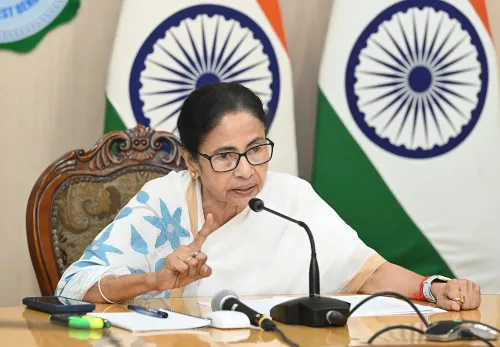
The Ministry of Health and Family Welfare on Tuesday, 2 June 2026, issued a public health advisory on Ebola virus disease, confirming that no cases have been reported in India while urging heightened vigilance among travellers who have recently passed through Ebola-affected countries. The advisory stresses early symptom reporting as a critical line of defence against potential spread.
What the Advisory Says
The Ministry confirmed in an official post on X: 'As on June 2, 2026, there are no cases of Ebola disease reported in the country.' Despite the reassurance, authorities have called for proactive monitoring, particularly among those who have travelled from or transited through affected regions within the past 21 days.
Individuals who develop symptoms — including fever, headache, muscle pain, vomiting, diarrhoea, or unexplained bleeding — are directed to isolate immediately and contact local health authorities without delay. The government's 24x7 Health Helpline 1075 has been cited as the primary point of contact for information and assistance.
Why the Advisory Was Issued
The precautionary measure comes amid a fresh Ebola outbreak in parts of Africa, which has prompted health agencies worldwide to tighten surveillance and issue preventive guidelines. India's advisory mirrors the global response, reflecting the World Health Organisation's (WHO) framework for managing cross-border disease risk.
Notably, the 21-day monitoring window specified in the advisory corresponds to the maximum known incubation period of the Ebola virus — the interval between exposure and the onset of symptoms. This duration is the standard benchmark used by global health agencies for surveillance and contact-tracing operations.
How Ebola Spreads and Why It Is Dangerous
According to the WHO, Ebola virus disease carries an average fatality rate of approximately 50 per cent, with mortality ranging from 25 per cent to 90 per cent across previous outbreaks. The virus is transmitted through direct contact with the blood, secretions, organs, or other bodily fluids of infected persons or animals.
Health experts emphasise that prompt identification and isolation of suspected cases are the most effective tools for containing transmission. There is no approved antiviral treatment for Ebola, making early intervention and isolation protocols especially critical.
What Travellers Must Do
Anyone who has arrived from or transited through an Ebola-affected country within the last 21 days is advised to monitor their health closely. Should any of the listed symptoms appear, the Ministry's guidance is unambiguous: isolate immediately and notify local health authorities. The helpline 1075 remains operational round the clock for guidance.
As the outbreak situation in Africa continues to evolve, health authorities are expected to update surveillance protocols and travel advisories accordingly. Citizens planning international travel to affected regions are advised to check the latest guidance before departure.
Point of View
But the advisory's real significance lies in what it reveals about surveillance gaps. The 21-day monitoring window is standard WHO protocol — yet India's ability to enforce self-reporting among international travellers remains largely voluntary and unverified. Past experience with COVID-19 showed that advisory compliance dropped sharply without airport-level screening reinforcement. The Ministry's reliance on a helpline as the primary response mechanism, while practical, is a passive tool in a situation that may demand active port-of-entry surveillance. If the African outbreak intensifies, India will need to move faster than a social media post.
NationPress
16 Oct 2026
Frequently Asked Questions
Has Ebola been detected in India?
No. As of 2 June 2026, the Ministry of Health and Family Welfare has confirmed that no cases of Ebola virus disease have been reported in India. The advisory is a precautionary measure in response to a fresh outbreak in parts of Africa.
Who needs to follow the Ebola advisory in India?
Anyone who has travelled from or transited through an Ebola-affected country within the past 21 days is advised to monitor their health closely. If symptoms such as fever, headache, muscle pain, vomiting, diarrhoea, or unexplained bleeding develop, they must isolate immediately and contact local health authorities.
What is the fatality rate of Ebola virus disease?
According to the World Health Organisation, Ebola has an average fatality rate of around 50 per cent. Mortality rates in past outbreaks have ranged from 25 per cent to as high as 90 per cent, making early detection and isolation critical.
How does Ebola spread?
Ebola spreads through direct contact with the blood, secretions, organs, or other bodily fluids of infected people or animals. It is not airborne, meaning transmission requires close physical contact with an infected individual or their remains.
Where can I get help or information about Ebola symptoms in India?
The Ministry of Health and Family Welfare has directed the public to call the government's 24x7 Health Helpline at 1075 for guidance. Early reporting, the Ministry has emphasised, can save lives and prevent wider spread of the disease.