India sends 43-tonne Ebola aid to Africa CDC in second medical dispatch
Synopsis
India's second 43-tonne Ebola aid shipment to Africa CDC — following a first dispatch just nine days earlier — signals New Delhi's most active engagement in an African health emergency since COVID-19. With WHO having declared the Bundibugyo outbreak a global health emergency, India's back-to-back dispatches position it as a frontline partner in Africa's pandemic response architecture.
Key Takeaways
India dispatched a 43-tonne second tranche of medical aid to Africa CDC on 2 June , covering PPE, diagnostics, medicines, and nutritional supplements.
The first tranche of urgent medical supplies was sent on 24 May ; supplies were handed over by Indian High Commissioner Upender Singh Rawat in Uganda .
WHO declared the Bundibugyo Ebola outbreak in the Democratic Republic of Congo (DRC) a Public Health Emergency of International Concern on 17 May .
Africa CDC formally welcomed India's assistance on 31 May , expressing gratitude for New Delhi's support.
External Affairs Minister S.
Jaishankar confirmed the second dispatch via a post on X .
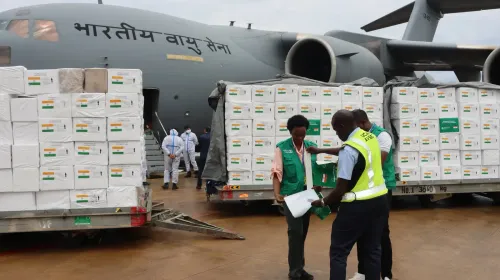
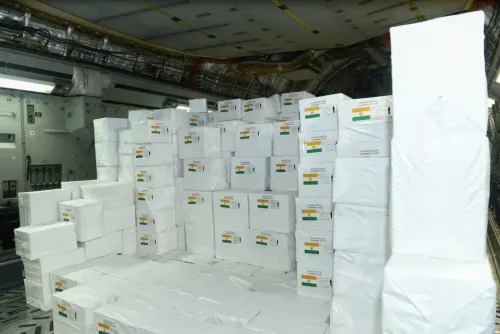
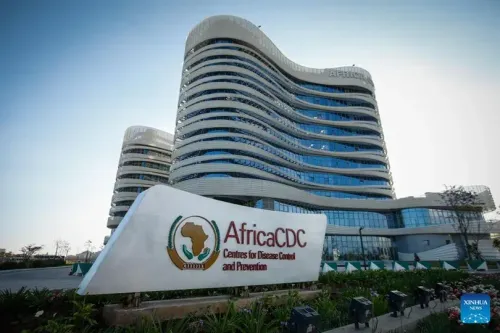
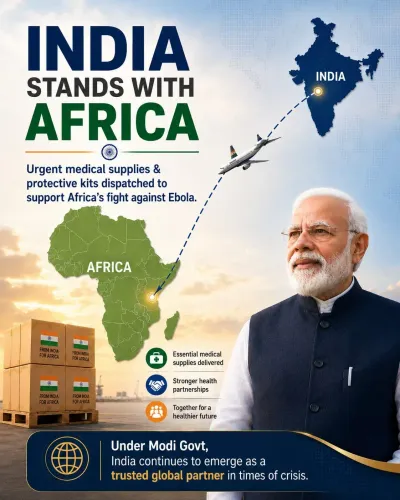
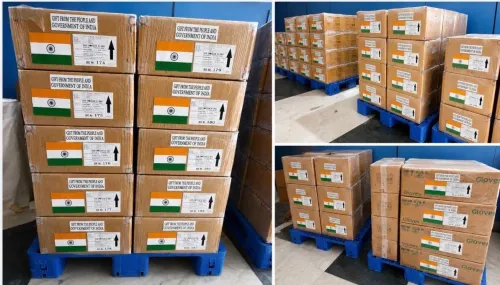
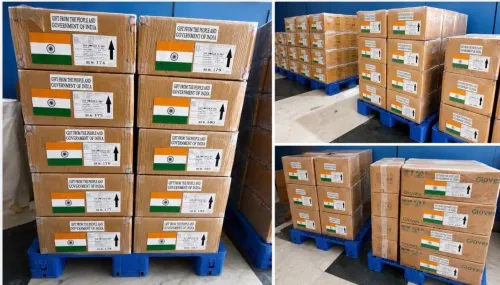
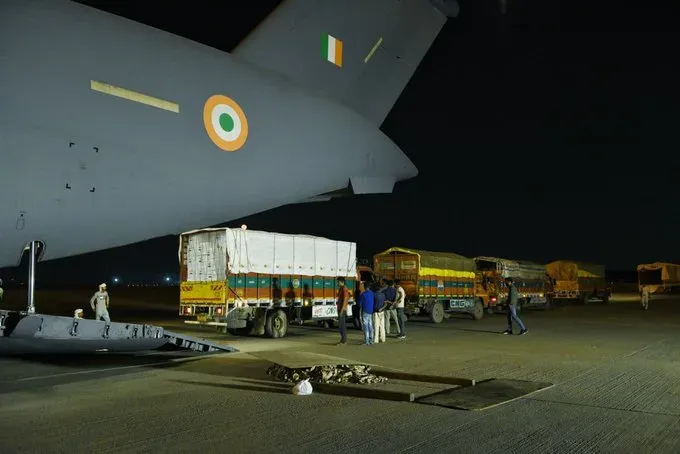
India on Tuesday, 2 June dispatched its second tranche of medical assistance to the Africa Centres for Disease Control and Prevention (Africa CDC), sending a 43-tonne consignment of protective gear, diagnostic and monitoring equipment, medicines, and nutritional supplements to bolster the continent's response to the escalating Ebola outbreak. The shipment marks New Delhi's continued commitment to public health solidarity with Africa amid a declared international emergency.
What the Consignment Includes
The 43-tonne package covers a broad spectrum of public health needs — from personal protective equipment (PPE) and diagnostic tools to essential medicines and nutritional supplements. These supplies are designed to directly support frontline health workers and affected populations in outbreak zones.
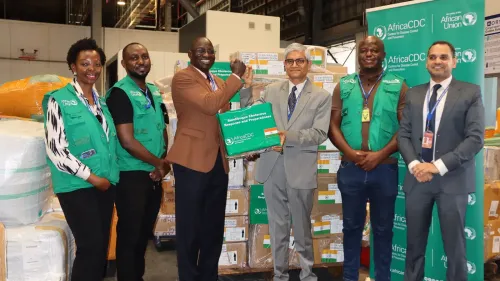
The medical supplies from the first tranche, dispatched on 24 May, were formally handed over to the Africa CDC by Indian High Commissioner in Uganda, Upender Singh Rawat, at the organisation's office there, according to the Ministry of External Affairs (MEA).
What External Affairs Minister Jaishankar Said
External Affairs Minister S. Jaishankar confirmed the dispatch in a post on social media platform X, stating: 'India has dispatched the second tranche of medical assistance to Africa CDC, comprising protective gear, diagnostic & monitoring equipment, medicines, and supplements. Confident that this 43 tons consignment will further strengthen public health preparedness and bolster Ebola response capacities across Africa.'
Earlier, when the first tranche was sent on 24 May, Jaishankar had posted: 'India dispatched the first tranche of urgent medical supplies and protective kits to Africa CDC today. Committed to support Africa in responding to the emerging Ebola public health emergency.'
Background: The Bundibugyo Ebola Outbreak
The current crisis centres on the Bundibugyo Ebola strain in the Democratic Republic of Congo (DRC). The World Health Organization (WHO) declared the situation a Public Health Emergency of International Concern (PHEIC) on 17 May, elevating global urgency around the response.
On 31 May, the Africa CDC publicly welcomed India's emergency medical assistance, expressing gratitude for New Delhi's support during what it described as a worsening health crisis. Ebola is a severe, often fatal illness transmitted through direct contact with infected bodily fluids, contaminated materials, or infected animals. Symptoms include fever, vomiting, diarrhoea, and — in severe cases — internal and external bleeding.
India's Broader Role in African Public Health
This is not a one-off gesture. India has consistently stepped up medical assistance to African nations during public health emergencies, including large-scale medicine and vaccine supplies during the COVID-19 pandemic. On 29 May, the MEA had reaffirmed India's readiness to continue supporting affected countries and the Africa CDC for as long as the health emergency persists.
MEA spokesperson Randhir Jaiswal underscored the commitment at a weekly media briefing in New Delhi, framing the dispatches as part of India's broader partnership with the African continent on health security. With the WHO emergency declaration still active and DRC's outbreak showing no signs of immediate containment, further Indian support rounds remain a possibility.
Point of View
And each consignment reinforces the 'pharmacy of the world' brand that New Delhi has deliberately cultivated since COVID-19. What is less examined is whether these supplies are reaching outbreak epicentres in the DRC in time, or whether the Africa CDC's distribution capacity is a bottleneck. The WHO's PHEIC declaration raises the stakes: if the Bundibugyo strain spreads further, India's early and visible support could translate into durable diplomatic capital — but only if the aid demonstrably moves the needle on containment.
NationPress
25 Sept 2026
Frequently Asked Questions
What did India send in its second Ebola aid dispatch to Africa CDC?
India dispatched a 43-tonne consignment to the Africa CDC on 2 June, comprising personal protective equipment, diagnostic and monitoring equipment, medicines, and nutritional supplements. The shipment is intended to strengthen public health preparedness and Ebola response capacity across Africa.
What is the Bundibugyo Ebola outbreak and why is it a global concern?
The Bundibugyo Ebola outbreak is an active disease emergency centred in the Democratic Republic of Congo (DRC). The WHO declared it a Public Health Emergency of International Concern on 17 May, its highest alert level, due to the risk of cross-border spread and the severity of the Bundibugyo strain.
When did India first send Ebola aid to Africa CDC?
India dispatched the first tranche of urgent medical supplies and protective kits to Africa CDC on 24 May. Those supplies were handed over to the Africa CDC office in Uganda by Indian High Commissioner Upender Singh Rawat.
How has Africa CDC responded to India's assistance?
The Africa CDC on 31 May formally welcomed India's emergency medical assistance and expressed gratitude for New Delhi's support during the worsening Bundibugyo Ebola crisis in the DRC.
What is India's broader track record in supporting Africa during health emergencies?
India has consistently supplied medicines and vaccines to African countries during public health crises, most notably during the COVID-19 pandemic. The ongoing Ebola response is the most active engagement of this kind since that period.