India sends medical supplies, protective kits to Africa amid Ebola outbreak
Synopsis
India has moved swiftly on the Ebola front — dispatching medical supplies to Africa CDC and issuing a travel advisory for the DRC, Uganda, and South Sudan in the same week that WHO declared the Bundibugyo strain outbreak a global health emergency. With the 'first tranche' framing, more aid is clearly on the way, underscoring India's growing role in African health security.
Key Takeaways
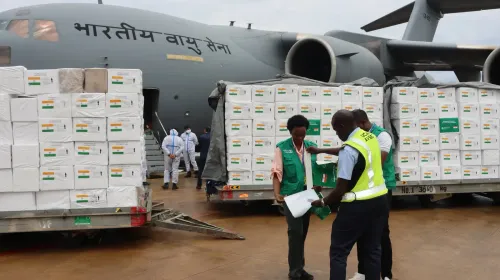
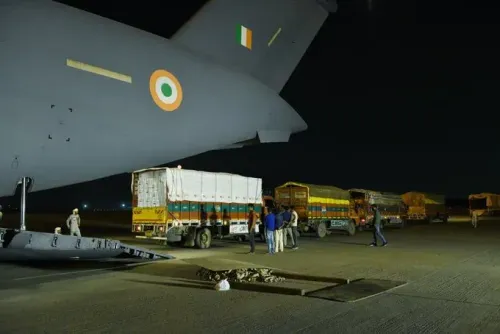
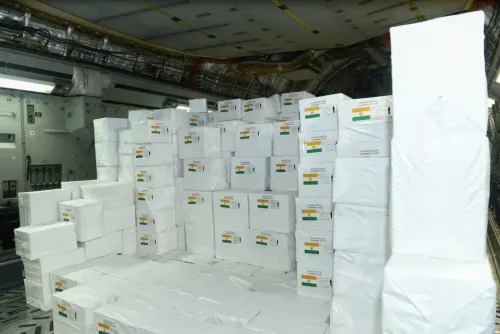
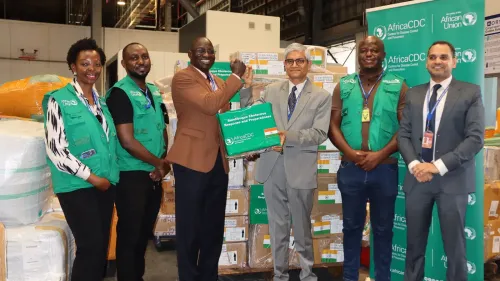
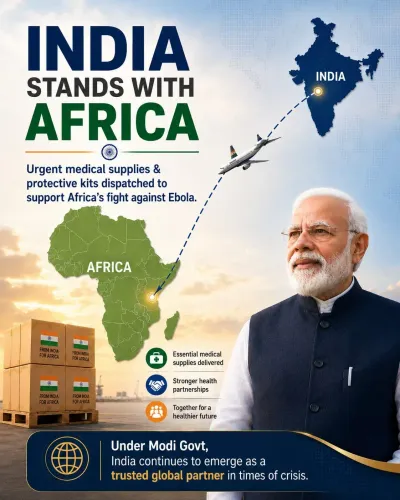
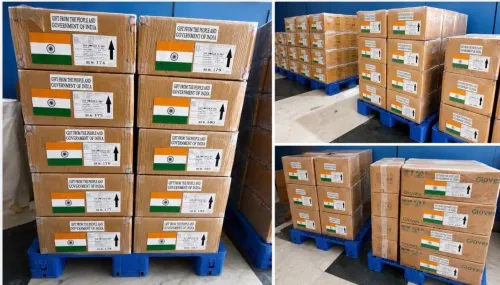
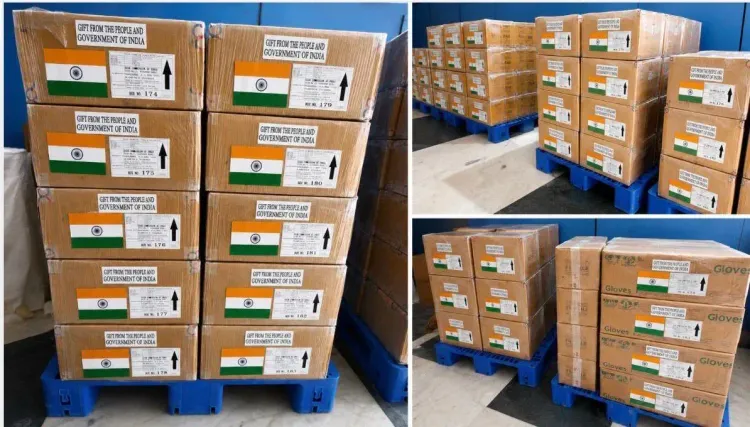
India dispatched the first tranche of medical supplies and protective kits to Africa CDC on 24 May .
External Affairs Minister S.
Jaishankar confirmed the shipment in a post on X .
The outbreak involves the Bundibugyo strain of Ebola, affecting the DRC and Uganda ; South Sudan is at high risk.
WHO has declared the situation a Public Health Emergency of International Concern (PHEIC) ; Africa CDC has declared a Public Health Emergency of Continental Security .
The Indian Health Ministry has advised citizens to avoid non-essential travel to the DRC , Uganda , and South Sudan .
India has reported zero cases of Ebola caused by the Bundibugyo virus strain.
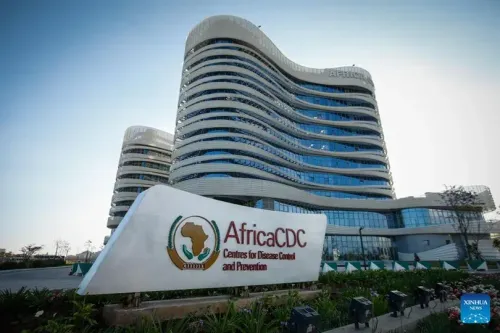
India on Thursday, 24 May dispatched the first tranche of urgent medical supplies and protective kits to the Africa Centres for Disease Control and Prevention (Africa CDC), as the Ebola outbreak across parts of Central and East Africa escalates into a declared international health emergency. The move signals New Delhi's commitment to health diplomacy at a critical juncture.
India's Response and Jaishankar's Statement
External Affairs Minister S. Jaishankar confirmed the dispatch in a post on X, stating: 'India dispatched the first tranche of urgent medical supplies and protective kits to Africa CDC today. Committed to support Africa in responding to the emerging Ebola public health emergency.' The shipment represents India's first concrete material contribution to the continental response effort.
Scale and Severity of the Outbreak
The ongoing outbreak involves the Bundibugyo strain of Ebola Virus Disease — a rare but often fatal illness — and is primarily affecting the Democratic Republic of the Congo (DRC) and Uganda. The Africa CDC has formally declared the situation a Public Health Emergency of Continental Security, while the World Health Organization (WHO) has classified it as a Public Health Emergency of International Concern (PHEIC). Countries bordering the DRC and Uganda, including South Sudan, are assessed to be at high risk of transmission, according to WHO.
India's Advisory for Citizens Abroad
The Indian Health Ministry on Sunday issued a travel advisory urging all Indian citizens to avoid non-essential travel to the DRC, Uganda, and South Sudan until further notice. Citizens already residing in or travelling through these countries were directed to strictly follow public health guidance from local authorities and maintain heightened precautions. The ministry confirmed that India has not reported any case of Ebola caused by the Bundibugyo virus strain.
WHO Recommendations and Surveillance Measures
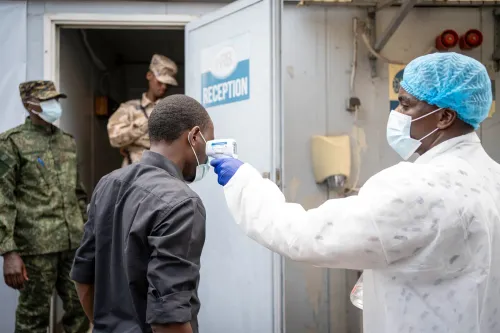
The WHO IHR Emergency Committee on 22 May issued temporary recommendations calling for strengthened disease surveillance at Points of Entry to detect, assess, report, and manage travellers with unexplained febrile illness arriving from affected areas. The committee also discouraged travel to zones with documented Bundibugyo virus detection. This comes amid growing concern that porous borders in the region could accelerate cross-border spread.
What Comes Next
India's medical supply dispatch is described as the 'first tranche', indicating further shipments are anticipated. The response also reflects a broader pattern of India positioning itself as a key partner in African health security — a dynamic that has gained momentum since the COVID-19 pandemic. How swiftly the Africa CDC can deploy these supplies to frontline health workers will be closely watched in the days ahead.
Point of View
Not just a bilateral donor. This matters in the context of India's Africa outreach under its G20 presidency legacy. Yet the 'first tranche' language raises the question of scale: medical supply shipments without personnel, training, or diagnostics support have historically had limited impact on Ebola containment. The real test will be whether India's engagement extends beyond optics to on-ground capacity building.
NationPress
20 Sept 2026
Frequently Asked Questions
What medical supplies has India sent to Africa for the Ebola outbreak?
India dispatched the first tranche of urgent medical supplies and protective kits to the Africa Centres for Disease Control and Prevention (Africa CDC) on 24 May. The specific contents of the shipment have not been detailed publicly, but the dispatch was confirmed by External Affairs Minister S. Jaishankar.
Which countries are affected by the current Ebola outbreak?
The ongoing Bundibugyo strain Ebola outbreak is primarily affecting the Democratic Republic of the Congo (DRC) and Uganda. South Sudan and other countries bordering the DRC and Uganda are assessed to be at high risk of transmission, according to WHO.
Has India issued a travel advisory for the Ebola-affected regions?
Yes. The Indian Health Ministry has advised all citizens to avoid non-essential travel to the DRC, Uganda, and South Sudan until further notice. Those already in these countries are urged to follow local public health guidance and take heightened precautions.
Has India reported any Ebola cases?
No. The Indian Health Ministry has confirmed that India has not reported any case of Ebola caused by the Bundibugyo virus strain as of the date of the advisory.
Why has WHO declared the Ebola outbreak a PHEIC?
The World Health Organization declared the Bundibugyo strain Ebola outbreak a Public Health Emergency of International Concern (PHEIC) due to its cross-border spread across the DRC, Uganda, and high-risk neighbouring countries. The WHO IHR Emergency Committee also issued temporary recommendations on 22 May to strengthen surveillance at Points of Entry and discourage travel to affected zones.