Jaishankar dispatches 43-ton medical aid to Africa CDC for Ebola response
Synopsis
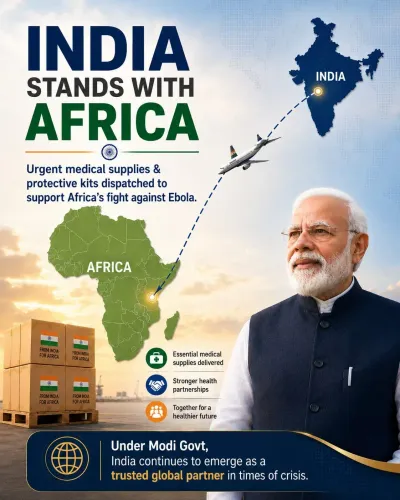
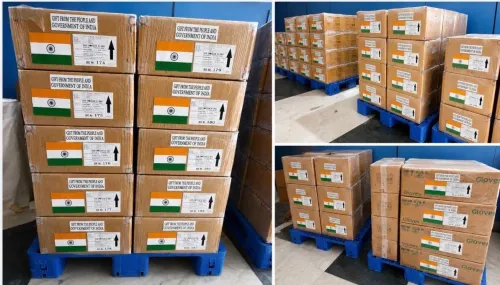
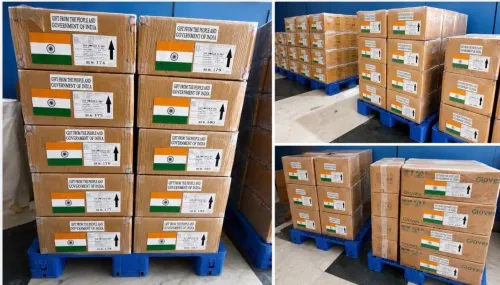
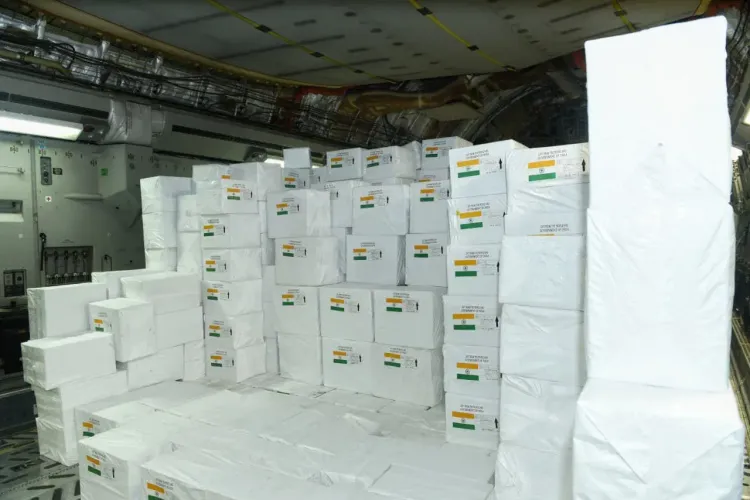
India has sent a 43-tonne second tranche of medical supplies — including protective gear, diagnostics, medicines and supplements — to Africa CDC to strengthen Ebola response capacities across the African Union, External Affairs Minister Dr. S. Jaishankar announced on June 2, 2026.
Key Takeaways
43 tonnes of medical supplies dispatched by India to Africa CDC as the second tranche of assistance.
Consignment comprises protective gear, diagnostic and monitoring equipment, medicines, and nutritional supplements.
Aid is aimed at strengthening Ebola response capacities across all 55 African Union member states.
The delivery continues a pattern of India-Africa health diplomacy dating back to the 2014–2016 West Africa Ebola epidemic .
External Affairs Minister Dr.
Jaishankar confirmed the dispatch via an official post on June 2, 2026 .
Future tranches and a reference at the next India-Africa Forum Summit are being watched by policy observers.
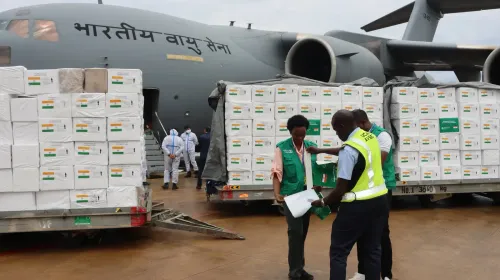
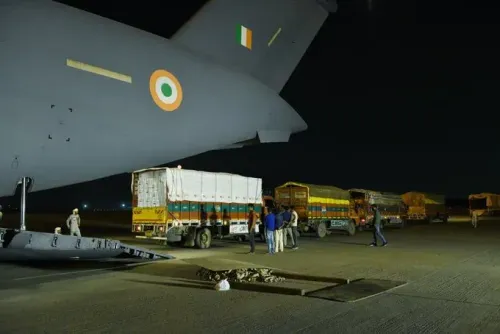
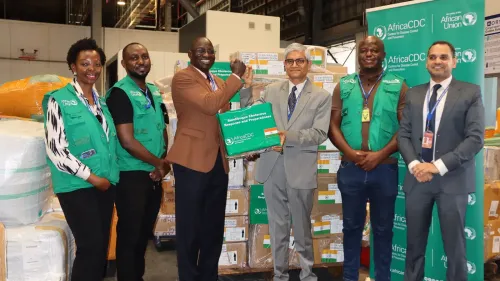
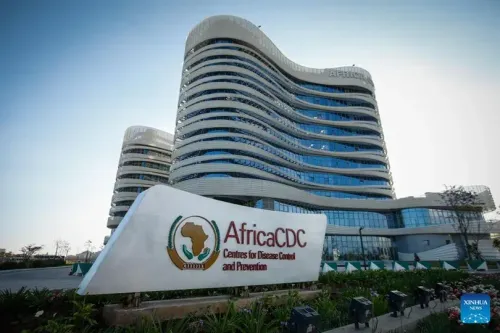
Union External Affairs Minister Dr. S. Jaishankar announced on Tuesday, June 2, 2026, that India has dispatched a second tranche of medical assistance to the Africa Centres for Disease Control and Prevention (Africa CDC), reinforcing the country's commitment to continental health security on the African continent.
The consignment, weighing 43 tonnes, includes protective gear, diagnostic and monitoring equipment, medicines, and nutritional supplements. Jaishankar expressed confidence that the shipment 'will further strengthen public health preparedness and bolster Ebola response capacities across the African Union.'
Context
Africa CDC is the public health agency of the 55-member African Union, established in 2016 to strengthen disease surveillance, prevention, and emergency response across the continent. Ebola, a recurring viral haemorrhagic fever, has periodically strained health systems in sub-Saharan and Central Africa, demanding sustained international support.
The reference to a 'second tranche' signals that this consignment follows an earlier shipment, indicating a structured, multi-phase delivery rather than a one-off gesture. India's External Affairs Ministry has coordinated the logistics of the aid directly with Africa CDC.
Policy Backdrop
India's engagement with African health institutions draws on a long track record of South-South cooperation. During the 2014–2016 West Africa Ebola epidemic — the largest in recorded history — India dispatched medical teams, protective equipment, and supplies to Guinea, Liberia, and Sierra Leone.
The current assistance aligns with the broader framework of India-African Union consultations on public health capacity, which have intensified in recent years. New Delhi has consistently used targeted medical consignments as an instrument of health diplomacy, offering assistance without military or commercial conditionalities — a posture that distinguishes India's model of engagement from those of several other external partners on the continent.
Dr. Jaishankar, who has served as India's Foreign Secretary and as ambassador to the United States, China, and Singapore, has been a central architect of this outreach-oriented foreign policy since taking charge of the External Affairs Ministry in 2019.
Stakeholders and Impact
Africa CDC and its member-state health ministries are the primary beneficiaries of the consignment. Protective gear and diagnostic equipment are particularly critical during active Ebola alerts, where rapid case identification and healthcare-worker safety determine outbreak trajectories.
For India, the delivery reinforces its positioning as a credible, non-transactional partner in African health security — a narrative that carries weight ahead of multilateral forums where India and African nations coordinate on global health governance. Indian pharmaceutical and medical-device industries also benefit from the visibility that accompanies government-to-government health aid of this scale.
What's Next
Observers will watch for any additional tranches under the same cooperation framework, as well as whether this initiative features prominently at the next India-Africa Forum Summit. The summit has historically served as the principal platform for formalising India's commitments to the African continent across health, trade, and technology sectors.
With the African Union deepening its institutional health architecture through Africa CDC, India's sustained medical diplomacy positions New Delhi as a preferred partner in the continent's long-term public health preparedness agenda.
Point of View
Multi-tranche medical consignment to Africa CDC rather than a single symbolic shipment signals a maturing model of health diplomacy — one built on institutional continuity rather than crisis-driven optics. For Dr. Jaishankar, the announcement reinforces the External Affairs Ministry's consistent messaging that India's Africa engagement is grounded in 'Vasudhaiva Kutumbakam' — the world as one family — translated into concrete deliverables. The timing also matters: as African nations consolidate their voice in multilateral forums including the G20 and the UN Security Council reform debate, India's non-conditional health assistance builds goodwill that extends well beyond the medical domain. This consignment, modest in financial terms, carries outsized strategic value as New Delhi competes with other major powers for influence across the African continent.
NationPress
23 Sept 2026
Frequently Asked Questions
What did India send to Africa CDC in June 2026?
India dispatched a 43-tonne consignment comprising protective gear, diagnostic and monitoring equipment, medicines, and nutritional supplements to Africa CDC as the second tranche of medical assistance, announced on June 2, 2026 .
Why is India sending medical aid to Africa CDC?
India is supporting Africa CDC to strengthen public health preparedness and Ebola response capacities across the African Union 's 55 member states, as part of its broader South-South health diplomacy.
Has India helped Africa during Ebola outbreaks before?
Yes. During the 2014–2016 West Africa Ebola epidemic , India sent medical teams, protective equipment, and supplies to Guinea , Liberia , and Sierra Leone .
What is the significance of the 'second tranche' of India's medical aid to Africa?
The reference to a 'second tranche' indicates that India is delivering assistance in a structured, phased manner rather than as a one-time gesture, reflecting a sustained institutional commitment to African health security.