Nadda pledges $10 mn, aid at AU Ebola Summit
Synopsis
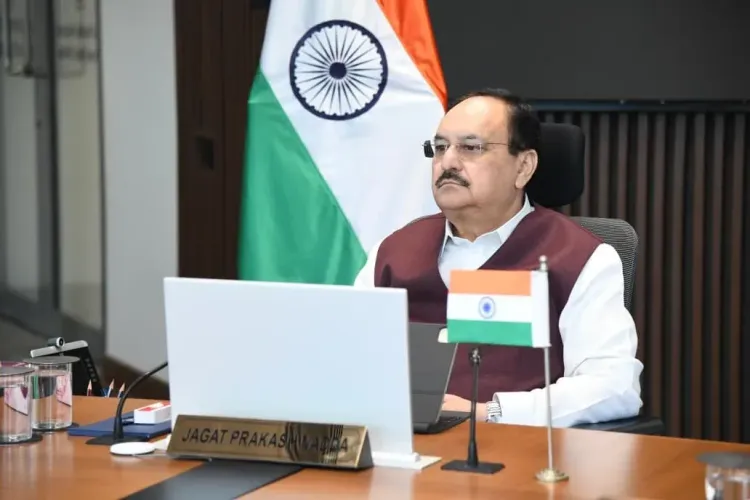
Union Health Minister J. P. Nadda joined the African Union's Virtual Ebola Summit on June 16, 2026, announcing US$ 10 million in financial support and pledging additional medical, diagnostic, and nutritional supplies alongside technical capacity-building for African health institutions.
Key Takeaways
Union Health Minister J.
Nadda participated in the African Union Virtual Summit on June 16, 2026 to coordinate a global Ebola response.
India announced a financial commitment of US$ 10 million to support Africa-led outbreak preparedness and recovery.
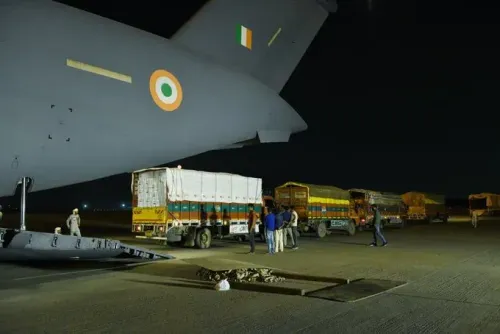
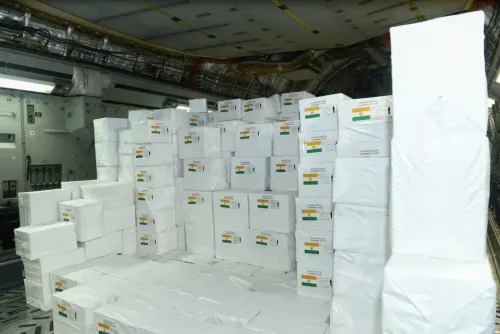
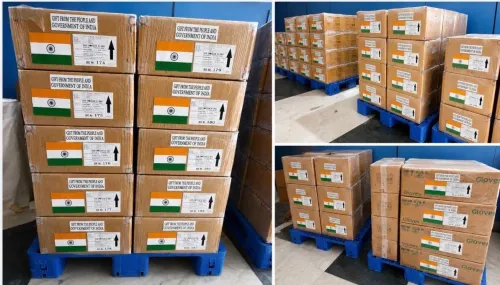
45 tonnes of medical supplies had already been delivered prior to the summit announcement.
Further assistance will include medical and laboratory supplies, diagnostic materials, essential medicines, and nutritional support, as per Africa CDC requirements.
India committed to technical collaboration and capacity-building support for African health institutions.
The pledge continues a pattern of India channelling health assistance through AU-led multilateral mechanisms dating back to the 2014–2016 Ebola outbreak.
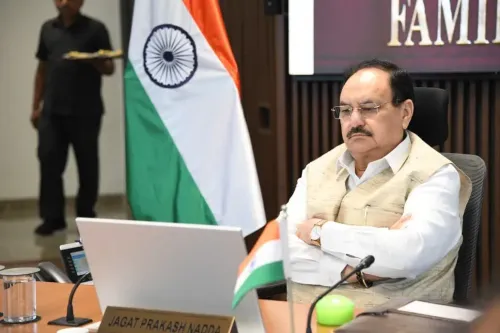
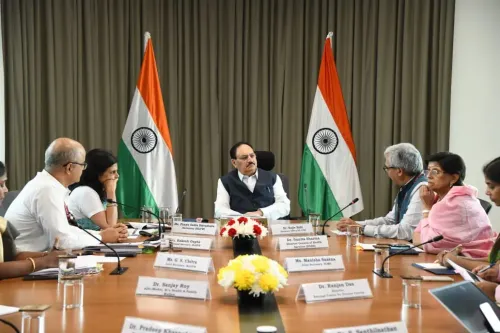
Union Health Minister J. P. Nadda participated in the African Union-organised Virtual Summit of African Heads of State and Government and Partners on Tuesday, June 16, 2026, joining a coordinated global response to the ongoing Ebola outbreak. The summit was chaired by the AU Chairperson and the President of Burundi, and India used the occasion to announce a financial commitment of US$ 10 million alongside a package of in-kind and technical assistance.
Context
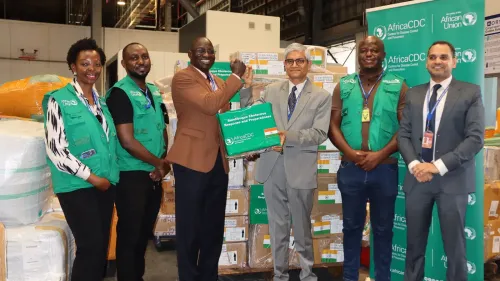
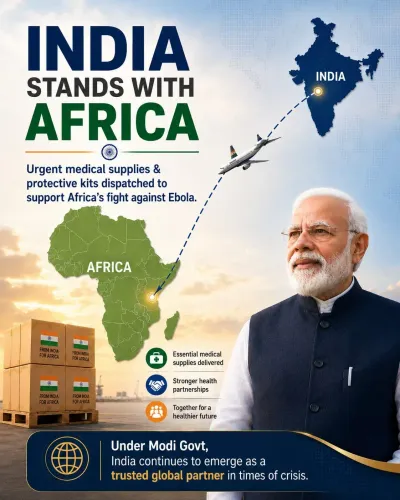
Addressing the virtual summit, Nadda reaffirmed India's commitment to Africa-led outbreak preparedness, response, and recovery. India announced that, in addition to the 45 tonnes of medical supplies already delivered to affected countries, it stands ready to provide further assistance covering medical and laboratory supplies, diagnostic materials, essential medicines, and nutritional support, calibrated to the requirements of Africa CDC and countries at risk.
India also committed to partnering through technical collaboration and capacity-building support for African health institutions, extending the engagement beyond emergency relief into longer-term institutional strengthening.
Policy Backdrop
India's response fits into a well-established pattern of health diplomacy with the African continent. During the 2014–2016 West Africa Ebola outbreak, India supplied medicines, protective equipment, and technical personnel — an early precedent for the current pledge. Health cooperation has been a standing feature of successive India-Africa Forum Summits since 2008, encompassing disease surveillance, pharmaceutical access, and training.
Under Prime Minister Narendra Modi, South-South health cooperation has been positioned as a strategic pillar, with India supplying generic medicines and diagnostics to African nations at scale and establishing institutional twinning arrangements. The current announcement continues a preference for channelling support through AU-led mechanisms — such as Africa CDC — rather than exclusively through bilateral routes, lending multilateral legitimacy to India's engagement.
Stakeholders and Impact
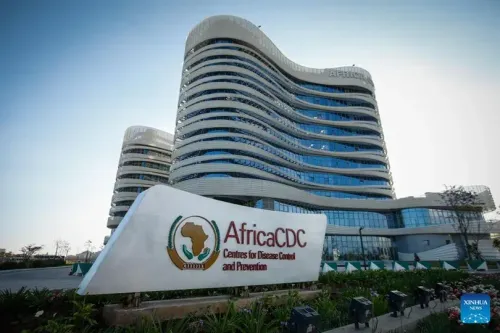
The immediate beneficiaries are populations in Ebola-affected and at-risk African countries, who stand to receive diagnostic and therapeutic supplies as well as nutritional support. Africa CDC, the African Union's public-health agency established to strengthen continental surveillance and response, is the primary institutional conduit through which India's assistance will be routed.
African health institutions will also benefit from the technical collaboration and capacity-building component, which is designed to leave a durable footprint beyond the immediate crisis. India's pharmaceutical industry, which has long supplied generics and diagnostics to the continent, is positioned as a key enabler of the supply commitments.
What's Next
Attention will now turn to the operationalisation of the US$ 10 million pledge and the logistics of additional supply deliveries through Africa CDC. Policymakers and health advocates will watch whether India translates the announced technical collaboration into concrete training programmes and institutional partnerships with African health bodies.
Any follow-up commitments at the next India-Africa Forum Summit or an AU Assembly session will be a key indicator of whether the current pledge marks a one-off emergency gesture or a sustained elevation of India's health-security partnership with Africa.
Point of View
India signals comfort with multilateral frameworks — a posture that strengthens its standing ahead of any future India-Africa Forum Summit. For J. P. Nadda, the virtual summit appearance also underlines the BJP government's effort to project a globally engaged health ministry. The combination of immediate supply relief and long-term capacity-building is a template India has refined since the 2014–2016 West Africa Ebola crisis, and its consistency suggests institutional rather than merely political motivation.
NationPress
15 Sept 2026
Frequently Asked Questions
How much aid did India pledge at the African Union Ebola Summit in 2026?
India announced a financial commitment of US$ 10 million at the AU Virtual Ebola Summit on June 16, 2026, in addition to the 45 tonnes of medical supplies already delivered.
What is Africa CDC and why is India working with it?
Africa CDC is the African Union's public-health agency, established to strengthen continental disease surveillance and emergency response. India is channelling its Ebola assistance through Africa CDC to align with AU-led multilateral mechanisms.
What kind of supplies is India providing for the Ebola outbreak?
India has committed to providing medical and laboratory supplies, diagnostic materials, essential medicines, and nutritional support, calibrated to requirements specified by Africa CDC and at-risk countries.
Has India helped Africa during Ebola outbreaks before?
Yes. During the 2014–2016 West Africa Ebola outbreak , India supplied medicines, protective equipment, and technical personnel, establishing a precedent that the current pledge continues.
What is India's broader policy on health cooperation with Africa?
Health cooperation has been a standing feature of India-Africa Forum Summits since 2008, covering disease surveillance, pharmaceutical access, and training. Under Prime Minister Narendra Modi , South-South health diplomacy — including supply of generics, diagnostics, and institutional twinning — has been elevated as a strategic priority.