India sends second 11-tonne medical consignment to Kenya for Ebola response
Synopsis
India has sent its second batch of Ebola-response supplies to Kenya — 11 tonnes of PPE, respirators, and cold-chain equipment — just as Nairobi confirmed its eighth case, involving the relatively rare Bundibugyo strain. The back-to-back shipments signal India's deepening health-diplomacy push in Africa, with New Delhi positioning itself as a frontline partner in the continent's disease-response infrastructure.
Key Takeaways
India delivered a second consignment of 11 tonnes of medical supplies to Kenya on 19 October 2026 for Ebola preparedness.
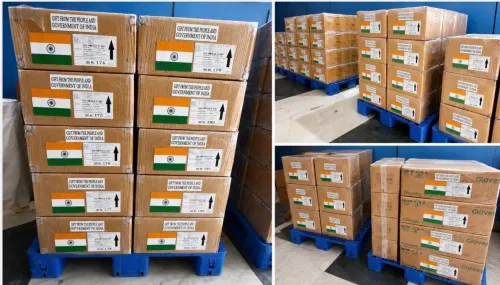
The shipment includes PPE kits , powered air-purifying respirators , biosafety cabinets , and cold-chain refrigerators .
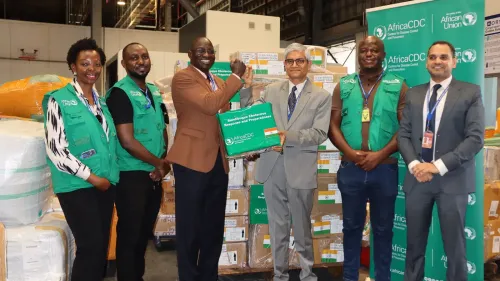
High Commissioner Adarsh Swaika handed over the supplies to Kenya's Principal Secretary of Public Health, Mary Muthoni Muriuki .
Kenya has confirmed eight Ebola cases ; the latest is a 49-year-old patient attendant infected with the Bundibugyo strain .
India's first consignment of medical aid was delivered in July 2026 ; this is the second in the ongoing bilateral health support.
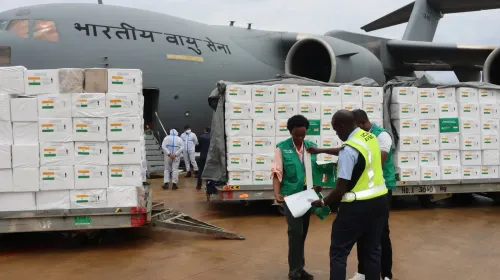
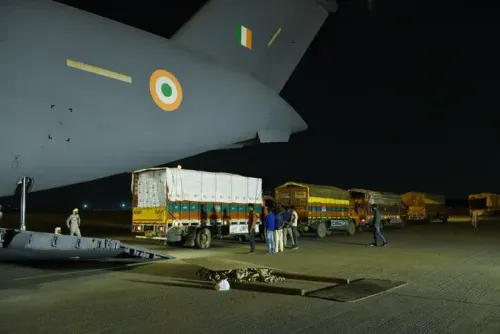
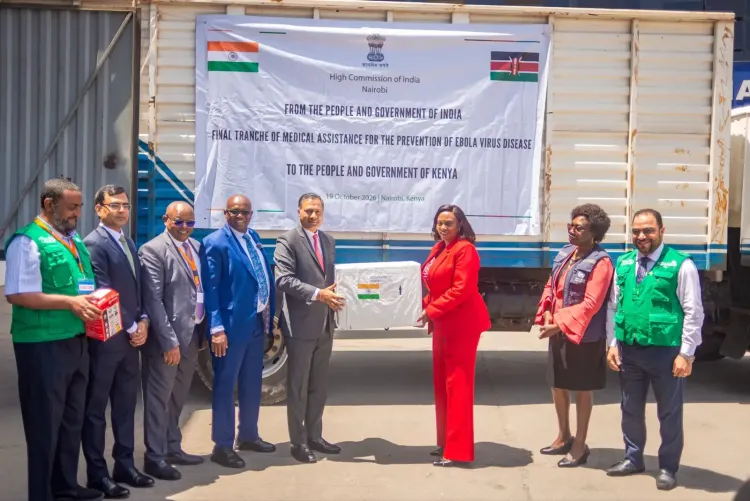
India on Monday, 19 October 2026, handed over the second consignment of 11 tonnes of medical assistance to Kenya to bolster the country's Ebola preparedness and response efforts. The handover took place in Nairobi, where India's High Commissioner to Kenya, Adarsh Swaika, transferred the consignment to Mary Muthoni Muriuki, Principal Secretary of Kenya's Public Health Ministry.
What the Consignment Includes
The 11-tonne shipment comprises PPE kits, powered air-purifying respirators, biosafety cabinets, and cold-chain refrigerators. These supplies are specifically designed to protect frontline healthcare personnel and to strengthen laboratory safety and public-health infrastructure. This is the second such delivery — the first was dispatched in July 2026.
India's Commitment to Kenya
The Ministry of External Affairs (MEA) confirmed the handover, stating that India is committed to standing in solidarity with Kenya as it works to contain the Ebola outbreak. The Indian High Commission in Nairobi affirmed that the assistance is 'in continuation of the assistance provided in July this year,' and underscored the longstanding bilateral partnership in healthcare between the two nations.
Kenya's Ebola Situation
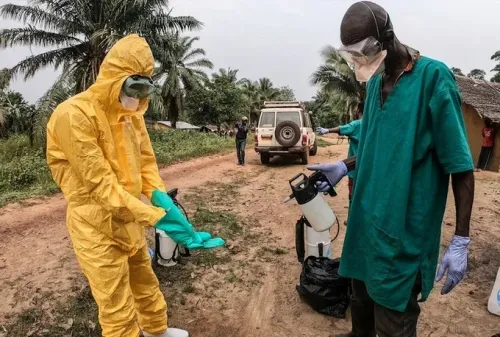
The medical support arrives at a critical juncture. Kenyan health authorities have confirmed an eighth Ebola case — a 49-year-old patient attendant who tested positive for the Bundibugyo strain of the virus and is currently in isolation. Director-General of Health Patrick Amoth noted that existing patients are showing positive recovery. According to health officials, 38 people were tested on Sunday, of whom one returned a positive result.
About the Ebola Virus
Ebola is a severe and often fatal illness that affects humans and other primates. According to the World Health Organization (WHO), the virus is transmitted to people from wild animals — including fruit bats, porcupines, and non-human primates — and subsequently spreads through direct contact with the blood, secretions, or bodily fluids of infected individuals, or with contaminated surfaces such as bedding and clothing.
Broader Significance
India's repeated medical assistance to Kenya reflects a broader shift in New Delhi's foreign policy posture — positioning itself as a first-responder in global health emergencies, particularly across Africa. This comes amid growing competition among major powers to deepen influence on the continent through health diplomacy. With Kenya's case count rising and the Bundibugyo strain — less common but still dangerous — confirmed, the timeliness of India's cold-chain and laboratory safety supplies carries particular weight. All eyes are now on whether Kenya can contain transmission before hospital networks are strained further.
Point of View
The US, and Gulf states are all competing for influence on the continent. What is worth scrutinising, however, is the follow-through: supplying cold-chain refrigerators and biosafety cabinets is meaningless if Kenya lacks the trained personnel to operate them under outbreak conditions. The real test of this partnership is whether India is also investing in capacity-building, not just equipment transfers. Kenya's Bundibugyo strain confirmation adds urgency — this is a less-documented variant, and international surveillance cooperation will matter as much as PPE kits.
NationPress
19 Oct 2026
Frequently Asked Questions
What did India send to Kenya in its second Ebola consignment?
India delivered 11 tonnes of medical supplies including PPE kits, powered air-purifying respirators, biosafety cabinets, and cold-chain refrigerators on 19 October 2026. The supplies are intended to protect frontline health workers and strengthen Kenya's laboratory and public-health capacity.
How many Ebola cases has Kenya confirmed so far?
Kenya has confirmed eight Ebola cases as of 19 October 2026. The latest is a 49-year-old patient attendant who tested positive for the Bundibugyo strain of the virus and is currently in isolation.
What is the Bundibugyo strain of Ebola?
The Bundibugyo strain is one of several species of the Ebola virus and was first identified in Uganda's Bundibugyo district in 2007. It is less commonly reported than the Zaire strain but remains a serious public-health threat.
When did India first send Ebola aid to Kenya?
India's first consignment of medical assistance was delivered to Kenya in July 2026. The latest shipment on 19 October is the second round of aid, building on that initial bilateral commitment.
Why is India providing medical aid to Kenya?
India has stated it is providing support to strengthen Kenya's Ebola preparedness and response and to reinforce the longstanding bilateral healthcare partnership between the two nations. The assistance also reflects India's broader health-diplomacy engagement across Africa.