India sends 6,000 PPE kits to Kenya as Ebola case confirmed from DRC
Synopsis
An imported Ebola case from the DRC has put Kenya on high alert — and India has moved quickly, donating 6,000 PPE kits and pledging full health solidarity. With over 652,000 travellers screened and nearly 5,000 health workers trained, Kenya is mobilising one of its most structured outbreak responses yet.
Key Takeaways
The High Commission of India in Kenya declared solidarity with Kenya on 8 October 2026 in its fight against Ebola Virus Disease .
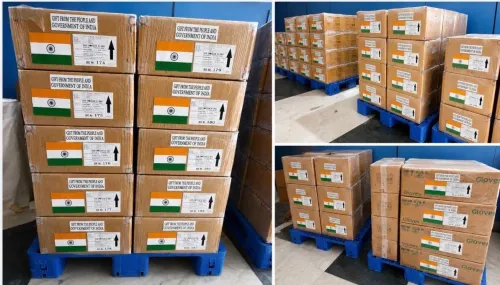
India donated 6,000 PPE kits to support Kenya's Ebola response.
Kenya confirmed an imported Ebola case involving a traveller from the DRC , who died on 6 October 2026 .
4,971 health workers have been trained, and screening is active at 15 Points of Entry covering over 652,000 travellers .
Kenya's National Incident Management System has been operational since May 2026 , with national and county emergency structures on high alert.
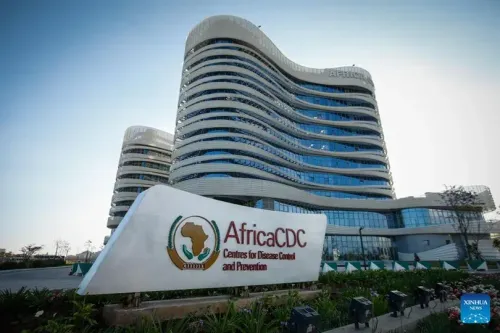
Other response partners include WHO , the US Government , IGAD , and Africa CDC .
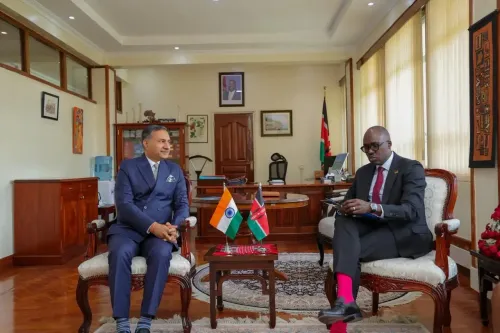
The High Commission of India in Kenya on Thursday, 8 October 2026, declared that India stands in full solidarity with Kenya in its fight against the Ebola Virus Disease (EVD), pledging continued support for the country's public health preparedness and response infrastructure. The statement came a day after Kenyan authorities confirmed the country's first imported Ebola case involving a traveller from the Democratic Republic of Congo (DRC), who died on 6 October 2026.
India's Support and PPE Contribution
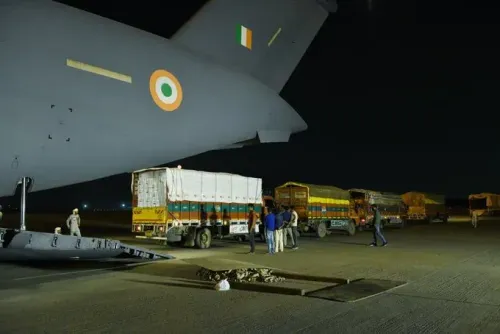
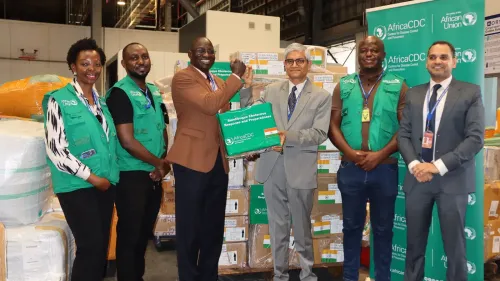
In a concrete show of support, the Government of India provided 6,000 Personal Protective Equipment (PPE) kits to bolster Kenya's on-ground response. The High Commission, in a post on X, reaffirmed the two nations' longstanding healthcare partnership, stating: 'India stands in solidarity with Kenya in its efforts to combat Ebola Virus Disease. We remain committed to supporting Kenya's public health preparedness and response, and to further strengthening our longstanding partnership in healthcare.'
India's contribution was acknowledged by the Kenyan Ministry of Health, which noted that response supplies included 1,000 sets donated by the World Health Organisation (WHO) and the 6,000 kits provided by the Government of India, alongside resources from Kenya itself, the United States Government, IGAD, Africa CDC, and other development partners.
Kenya's Ebola Response Measures
Cabinet Secretary for Health Aden Duale provided a comprehensive update during a high-level engagement with members of the Diplomatic Corps, international organisations, and development partners. He stressed that a single imported case does not indicate widespread transmission, and that the national response is being guided by 'verified epidemiological information, scientific evidence and established public health protocols.'
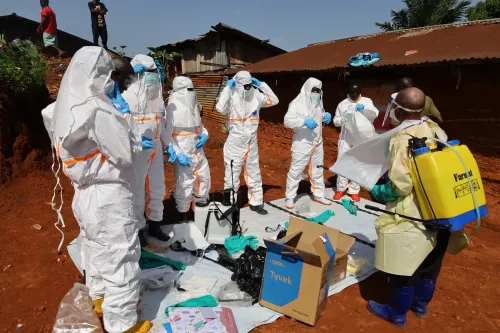
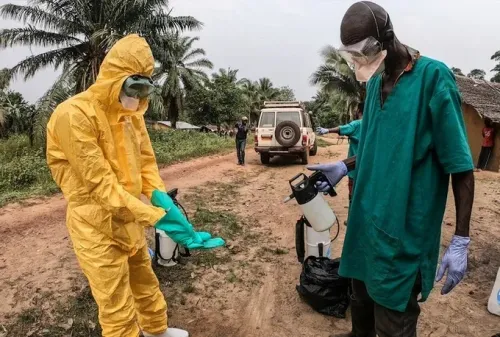
The National Incident Management System, operational since May 2026, has placed national and county emergency structures on high alert. Surveillance has been intensified at health facilities and in communities, with rapid response teams deployed to investigate alerts and monitor potential threats.
Scale of Screening and Workforce Preparedness
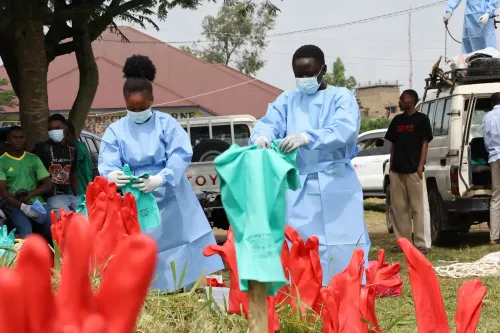
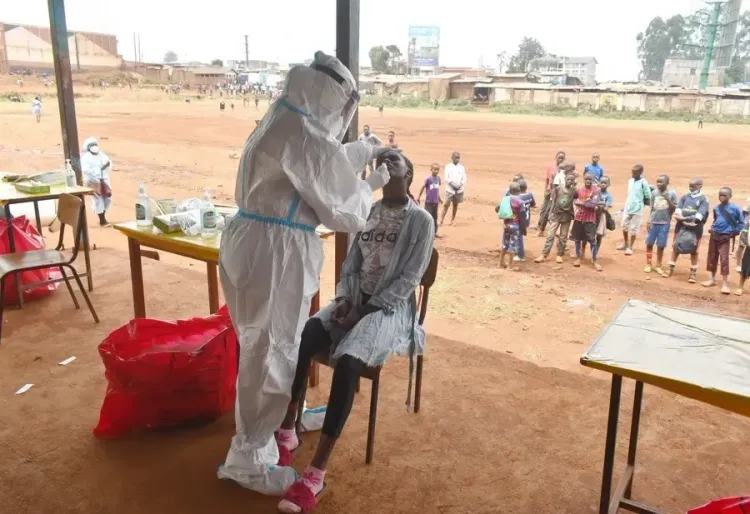
According to the Ministry of Health, a total of 4,971 health workers have been trained in Ebola preparedness and response. Screening is ongoing at 15 Points of Entry, where more than 652,000 travellers have been screened since heightened measures were put in place.
The Kenyan Ministry sought to reassure citizens and the international community, stating: 'Kenya remains safe, open and vigilant following confirmation of an imported Ebola case involving a traveller from the Democratic Republic of Congo (DRC), who died on 6 October 2026.'
Regional and Global Context
The DRC has long been an epicentre of Ebola outbreaks, with multiple waves recorded since the virus was first identified in 1976. Cross-border transmission risk has been a persistent concern for East African neighbours, particularly with high volumes of regional travel. Kenya's swift mobilisation — including its pre-existing National Incident Management System — reflects lessons drawn from earlier regional outbreaks. This is also the latest instance of India-Africa health diplomacy, building on India's track record of supplying vaccines, medicines, and medical equipment across the continent.
As investigations into the source and contact chain of the confirmed case continue, health authorities say further updates will be guided by epidemiological findings.
Point of View
Reinforcing its 'neighbourhood first' doctrine extended to Africa at a moment of acute need. But the more important story is Kenya's preparedness architecture: a functional National Incident Management System stood up months before this case arrived, which is rare on the continent. The real risk is not Kenya's response capacity — it is the DRC border corridor, where surveillance gaps remain chronic. A single imported case is manageable; a failure to contain cross-border movement is not. India-Africa health diplomacy scores points here, but durable impact will depend on whether PPE shipments translate into institutional capacity-building beyond the current outbreak.
NationPress
8 Oct 2026
Frequently Asked Questions
What Ebola case has been confirmed in Kenya?
Kenya confirmed an imported Ebola case involving a traveller from the Democratic Republic of Congo (DRC) , who died on 6 October 2026 . Authorities have clarified that one imported case does not indicate widespread transmission within the country.
What support has India provided to Kenya during the Ebola outbreak?
India donated 6,000 Personal Protective Equipment (PPE) kits to Kenya's Ebola response and pledged continued support for public health preparedness. The High Commission of India in Kenya also issued a statement of solidarity on 8 October 2026 .
How many people have been screened at Kenya's entry points?
More than 652,000 travellers have been screened at 15 Points of Entry since heightened Ebola surveillance measures were activated in Kenya.
Is Kenya safe for travel after the Ebola case confirmation?
According to the Kenyan Ministry of Health , Kenya 'remains safe, open and vigilant.' Officials stress that one imported case does not constitute evidence of widespread community transmission, and that all response measures are guided by scientific evidence and established public health protocols.
Which other organisations are supporting Kenya's Ebola response?
Kenya's response is supported by the World Health Organisation (WHO) , which donated 1,000 PPE sets, along with the United States Government , IGAD , Africa CDC , and other development partners, in addition to India's contribution of 6,000 PPE kits.