India sends emergency Ebola aid to DR Congo as Africa CDC confirms receipt
Synopsis
India has stepped into one of the world's most urgent health crises — the Bundibugyo Ebola outbreak in DR Congo — by donating emergency pharmaceutical supplies routed through Africa CDC. With over 1,000 suspected cases, 220 deaths, and no approved strain-specific treatment, India's intervention underscores its growing role as a frontline partner in African health security.
Key Takeaways
India donated emergency pharmaceutical supplies to support the Bundibugyo Ebola response in DR Congo , confirmed by Africa CDC on 28 May .
The consignment — diagnostics, therapeutics, and infection control materials — was received in Uganda and will be deployed to eastern DRC communities.
Over 1,000 suspected infections and at least 220 deaths have been reported, including 7 confirmed cases in Uganda .
WHO declared the outbreak a Public Health Emergency of International Concern on 17 May .
The Bundibugyo strain , identified in Uganda in 2007 , has no approved drugs or vaccines specifically targeting it, according to WHO.
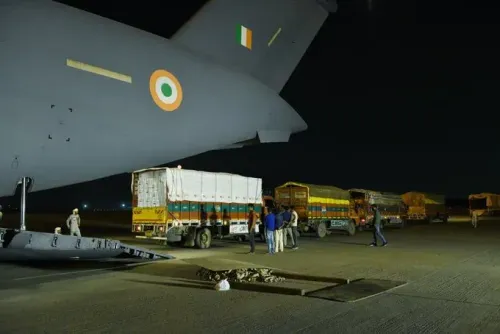
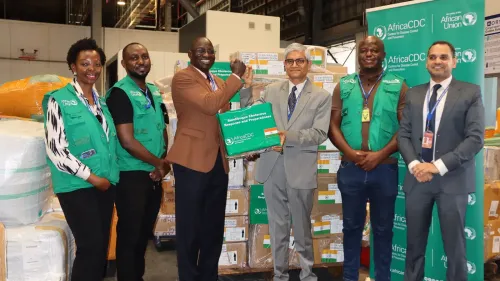
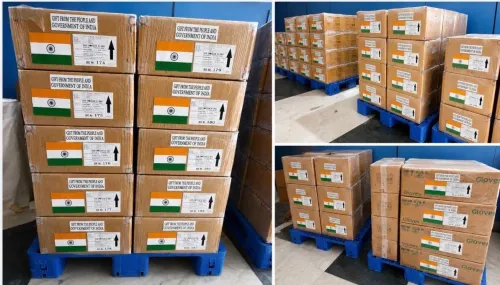
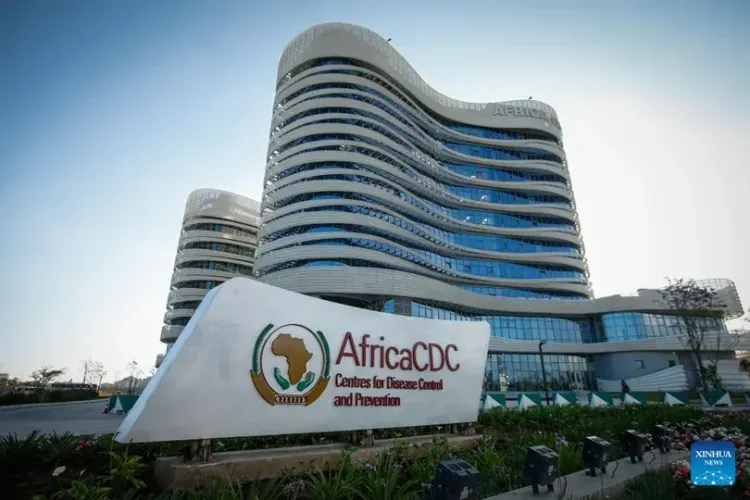
India has dispatched emergency pharmaceutical supplies to support the containment of the Bundibugyo Ebola outbreak in the Democratic Republic of Congo (DRC), the Africa Centres for Disease Control and Prevention (Africa CDC) confirmed on 28 May. The consignment, donated by the Government of India, was received in Uganda by Africa CDC's Eastern Africa Regional Coordinating Centre and is set to be deployed to affected communities in eastern DRC.
What the Supplies Include
According to the Africa CDC, the Indian consignment comprises essential diagnostics, therapeutics, infection prevention and control materials, and case management support. The agency described the donation as part of the 'ongoing response to the Bundibugyo Ebola outbreak in the DRC.'
'Africa CDC welcomes the arrival of emergency pharmaceutical supplies generously donated by the government and people of India to support the ongoing response to the Bundibugyo Ebola outbreak in the DRC,' the continental public health body said. It further thanked India for its 'continued support and commitment to protecting lives and advancing health security across the continent.'
Scale of the Outbreak
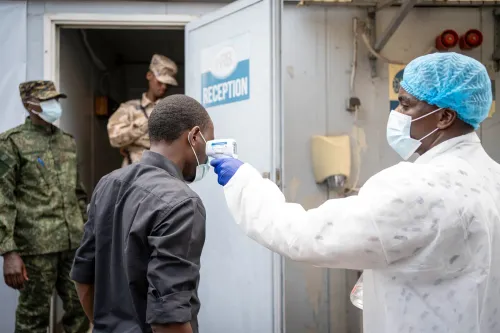
The World Health Organization (WHO) declared the Ebola situation in the region a Public Health Emergency of International Concern on 17 May. As of Tuesday, over 1,000 suspected infections and at least 220 deaths had been reported, including seven confirmed cases in Uganda. Health agencies have cautioned that the true scale of the outbreak may be significantly higher than reported figures suggest.
The Bundibugyo strain — one of six known species of the Ebola virus — was first identified in Uganda in 2007 and has caused periodic outbreaks since. Critically, the WHO has stated there are currently no approved drugs or vaccines specifically targeting this strain, making supportive care and infection control materials central to the response.
Why Ebola Is Dangerous
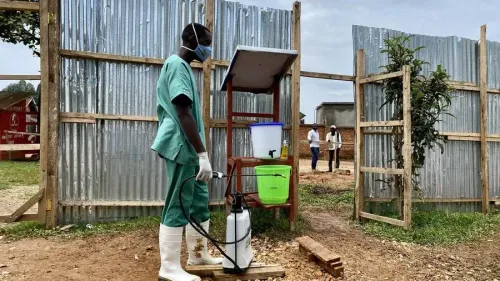
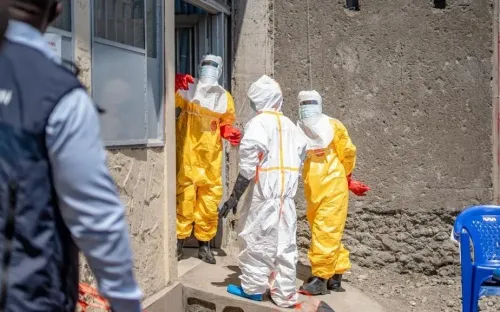
Ebola is a potentially fatal illness transmitted through direct contact with infected bodily fluids, contaminated materials, or infected animals. Symptoms range from fever, vomiting, and diarrhoea to, in severe cases, internal and external bleeding. The absence of strain-specific treatments makes early diagnostics and infection prevention infrastructure especially vital.
India's Role in African Health Security
India has progressively expanded its medical assistance to African nations over recent years, supplying medicines and vaccines during public health emergencies including the COVID-19 pandemic. This latest shipment reinforces New Delhi's positioning as a key partner in African health security — a relationship that has grown alongside broader diplomatic and trade engagement with the continent. Notably, this donation comes through a multilateral channel, routed via the Africa CDC rather than bilaterally, signalling institutional confidence in the regional body.
With the outbreak still active and no strain-specific treatment available, the adequacy and speed of international support — including India's contribution — will be closely watched in the weeks ahead.
Point of View
Which means the consignment — however welcome — is primarily supportive rather than curative. With over 1,000 suspected cases and a WHO-declared global emergency, the gap between what is needed and what any single donor can provide remains vast. India's routing of aid through Africa CDC rather than a bilateral channel is a mature diplomatic choice, but the real test of its Africa health partnership will be whether it commits to longer-term manufacturing and R&D cooperation on neglected tropical diseases, not just emergency shipments.
NationPress
27 Sept 2026
Frequently Asked Questions
What did India donate to support the Ebola outbreak in DR Congo?
India donated emergency pharmaceutical supplies including diagnostics, therapeutics, infection prevention and control materials, and case management support. The consignment was received in Uganda by Africa CDC's Eastern Africa Regional Coordinating Centre for deployment to affected communities in eastern DR Congo.
What is the Bundibugyo Ebola strain?
The Bundibugyo strain is one of six known species of the Ebola virus, first identified in Uganda in 2007. The WHO has confirmed there are currently no approved drugs or vaccines specifically targeting this strain, making supportive care and infection control critical to managing outbreaks.
How serious is the current Ebola outbreak in DR Congo?
As of late May, over 1,000 suspected infections and at least 220 deaths had been reported, including seven confirmed cases in Uganda. The WHO declared the situation a Public Health Emergency of International Concern on 17 May, and health agencies have warned the true scale may be higher than reported.
Why did Africa CDC thank India specifically?
Africa CDC acknowledged India's donation as reflecting 'continued support and commitment to protecting lives and advancing health security across the continent.' India has a track record of supplying medicines and vaccines to African nations during public health emergencies, including the COVID-19 pandemic.
Is there a risk of the Ebola outbreak spreading beyond DR Congo?
Seven confirmed cases have already been reported in Uganda, indicating cross-border spread. The WHO's declaration of a Public Health Emergency of International Concern on 17 May reflects the risk of further regional transmission, prompting coordinated international response efforts.