Jaishankar dispatches medical aid, protective kits to Africa CDC
Synopsis
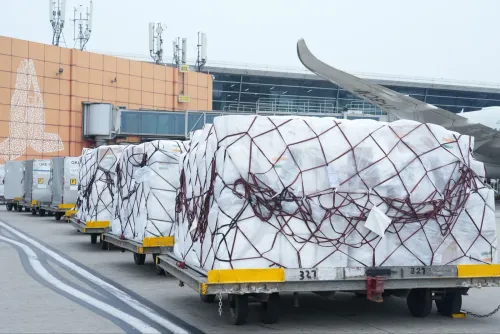
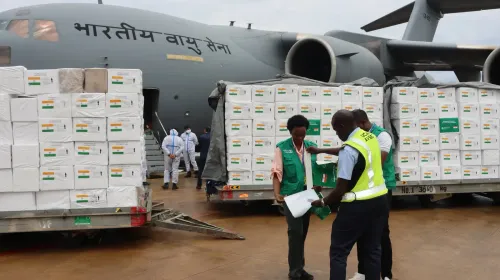
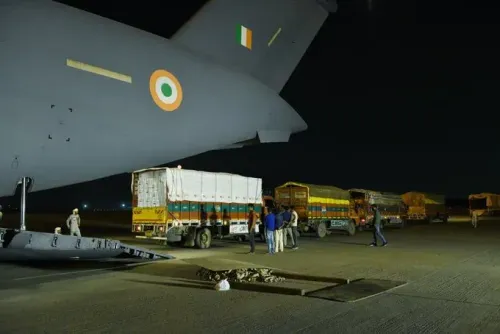
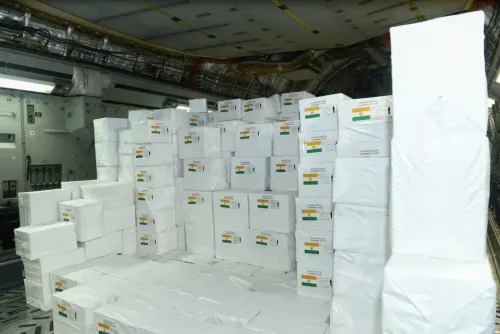
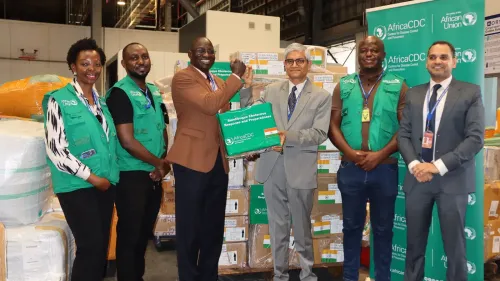
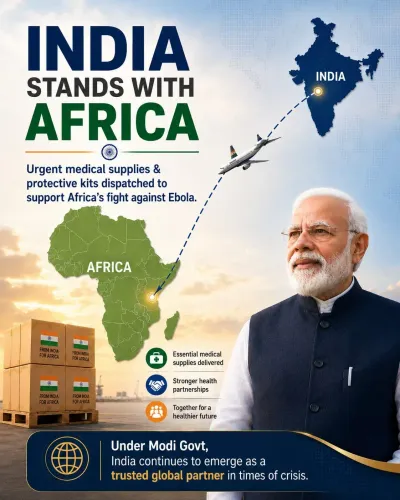
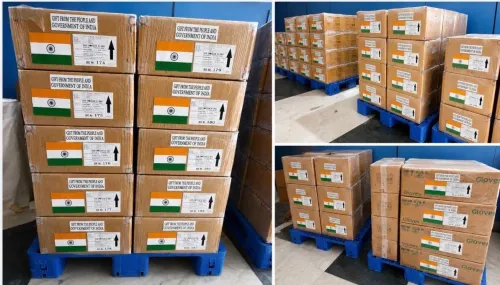
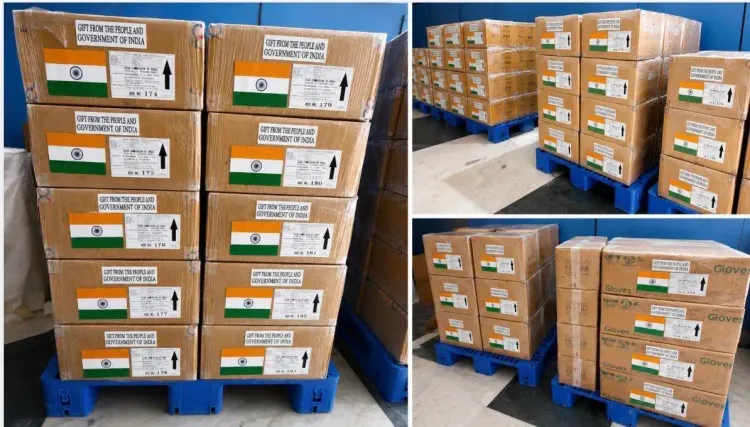
External Affairs Minister Dr. S. Jaishankar confirmed on 24 May 2026 that India has dispatched the first tranche of urgent medical supplies and protective kits to Africa CDC, pledging continued support to the African Union as an Ebola public health emergency emerges across the continent.
Key Takeaways
India dispatched the first tranche of urgent medical supplies and protective kits to Africa CDC on 24 May 2026 .
The shipment is a direct response to an emerging Ebola public health emergency flagged by African health authorities.
External Affairs Minister Dr.
Jaishankar confirmed the dispatch via a post addressed jointly to Africa CDC and the African Union .
The phrase 'first tranche' indicates further consignments of medical assistance are expected.
The move aligns with commitments made at the third India-Africa Forum Summit in 2015 , which prioritised health security cooperation.
This assistance extends India's consistent pattern of health diplomacy toward African partners under its South-South partnership framework.
Union External Affairs Minister Dr. S. Jaishankar announced on Sunday, 24 May 2026 that India has dispatched the first tranche of urgent medical supplies and protective kits to the Africa Centres for Disease Control and Prevention (Africa CDC), signalling New Delhi's commitment to supporting the continent in responding to an emerging Ebola public health emergency.
Context
Posting on X, Dr. Jaishankar stated: 'Dispatched the first tranche of urgent medical supplies and protective kits to Africa CDC today. Committed to support Africa in responding to the emerging Ebola public health emergency.' The post, addressed jointly to Africa CDC and the African Union, confirmed the shipment had already left Indian shores, with further tranches implied by the phrase 'first tranche.'
The announcement positions India as one of the early responders to what African health authorities have flagged as an emerging Ebola outbreak, a disease with a historically high fatality rate that demands rapid containment measures including personal protective equipment and specialised medical kits.
Policy Backdrop
This dispatch is consistent with a long-standing pattern of Indian health diplomacy toward the African continent. At the third India-Africa Forum Summit in 2015, health security and capacity-building were formally identified as priority areas for bilateral cooperation, laying the institutional groundwork for precisely this kind of emergency response.
India has repeatedly extended medical supplies, vaccines, and technical assistance to African partners during disease outbreaks, framing such assistance under the rubric of South-South partnership. The gesture complements broader Indian engagement with the African Union across trade, infrastructure, and multilateral forums including the G20, where the African Union gained permanent membership in 2023 under India's presidency.
Stakeholders and Impact
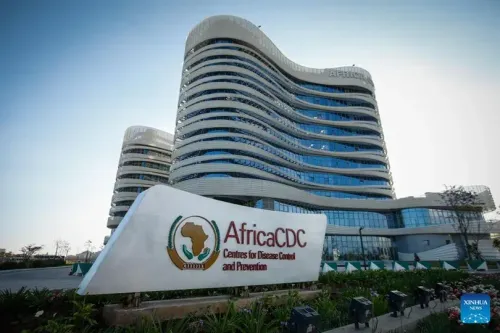
The immediate beneficiaries are Africa CDC — the public health agency of the African Union mandated to coordinate disease surveillance and outbreak response across 55 member states — and the frontline health workers who will use the protective kits. Rapid availability of personal protective equipment is critical in Ebola response, as the virus spreads through direct contact with bodily fluids and healthcare workers face acute exposure risk.
For India, the dispatch reinforces its profile as a reliable development partner in the Global South, a narrative that New Delhi has cultivated consistently through initiatives ranging from vaccine exports during COVID-19 to pharmaceutical supply agreements across sub-Saharan Africa. Dr. Jaishankar, as a career diplomat who has stewarded India's multilateral and bilateral ties, has been the public face of this outreach.
What's Next
The reference to a 'first tranche' strongly suggests that additional consignments of medical supplies are being planned or are already in preparation. Subsequent shipments may be accompanied by announcements of technical teams or health professionals being deputed to support containment efforts on the ground.
Observers will watch whether this assistance is formalised through a bilateral health dialogue or raised at the next African Union summit, which could elevate it from an emergency gesture to a structured cooperation framework. India's proactive response also sets a diplomatic benchmark ahead of any broader multilateral mobilisation by international health bodies.
Point of View
New Delhi signals that it is a first-responder partner rather than a bystander in African public health crises. This fits a deliberate arc in Dr. Jaishankar's foreign policy stewardship: leveraging India's pharmaceutical and medical manufacturing capacity to build goodwill and institutional ties with the African Union's 55 member states. The 'first tranche' framing is also politically astute — it keeps India's name in the conversation as the crisis evolves and future assistance rounds are announced.
NationPress
19 Sept 2026
Frequently Asked Questions
What medical supplies did India send to Africa CDC for Ebola?
India dispatched urgent medical supplies and protective kits as the first tranche of assistance to Africa CDC on 24 May 2026 to help respond to an emerging Ebola public health emergency. The exact composition of the consignment has not been detailed publicly.
Why is India sending aid to Africa for Ebola?
India has pledged support to the African Union and Africa CDC in containing an emerging Ebola outbreak, consistent with its long-standing South-South health diplomacy and commitments made at the India-Africa Forum Summit in 2015.
What is Africa CDC and what does it do?
Africa CDC, or the Africa Centres for Disease Control and Prevention, is the public health agency of the African Union. It coordinates disease surveillance, outbreak response, and health capacity-building across the AU's 55 member states.
Has India sent medical aid to Africa before?
Yes. India has a consistent record of extending medical supplies, vaccines, and technical assistance to African countries during disease outbreaks, framing this cooperation under its South-South partnership framework and the India-Africa Forum Summit agreements.
Will India send more medical supplies for the Ebola emergency?
Dr. Jaishankar's reference to a 'first tranche' strongly implies that additional consignments are being planned. Further tranches or technical teams may be announced alongside upcoming India-Africa health dialogues or African Union engagements.