Vijay orders dengue crackdown, monsoon prep across 10 Tamil Nadu districts
Synopsis
For the second consecutive day, Tamil Nadu CM C. Joseph Vijay personally chaired a disaster-management review — a rare signal of urgency. With dengue rising and the Northeast Monsoon closing in, 10 districts have been put on alert for simultaneous health and landslide crises, and officials told that avoidable loss of life will not be acceptable.
Key Takeaways
Joseph Vijay chaired a second consecutive review meeting on 22 September 2026 at the Chennai Secretariat .
District administrations in 10 districts — Coimbatore, Dindigul, Erode, Karur, Madurai, the Nilgiris, Sivaganga, Tenkasi, Theni and Virudhunagar — were directed to prepare location-specific action plans.
Hill districts including the Nilgiris , Coimbatore , Dindigul , and Theni were flagged for heightened landslide and soil-slip risk.
Soil-nailing works in Kodaikanal were specifically highlighted for accelerated completion.
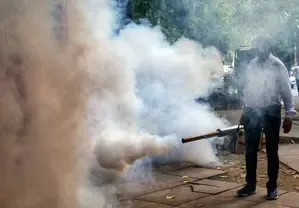
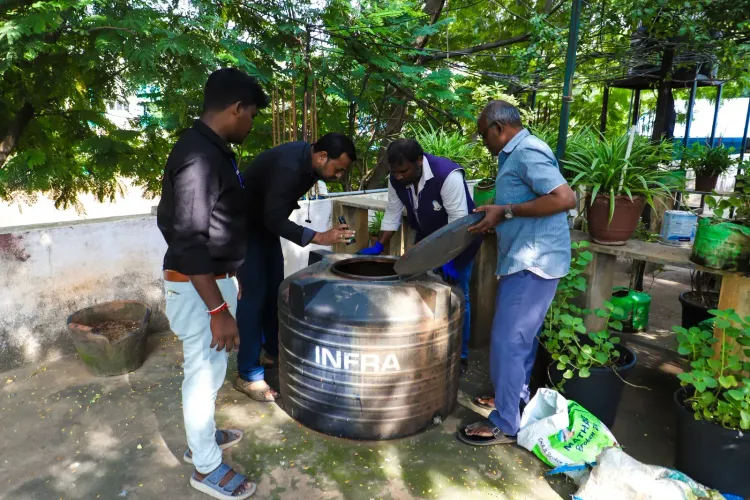
Collectors ordered to strengthen mosquito control, eliminate breeding sources, and ensure hospitals are fully stocked ahead of the Northeast Monsoon .
Coordinated action across health, civic, police, and disaster-response agencies was declared essential to prevent avoidable deaths.
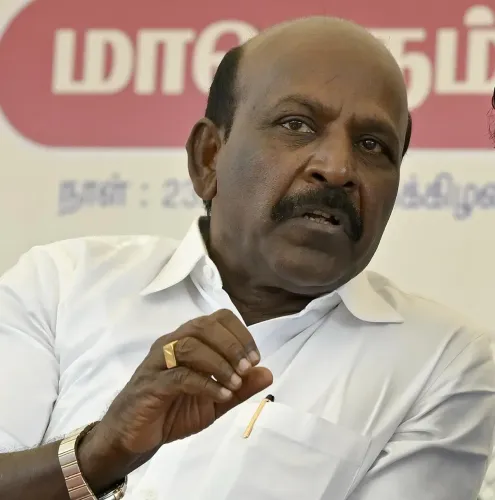
Tamil Nadu Chief Minister C. Joseph Vijay on Tuesday, 22 September 2026, directed district administrations across 10 districts to intensify disease-prevention measures and bolster preparedness for the Northeast Monsoon, as dengue and seasonal fever cases continue to rise in parts of the state. The instructions were issued at the Secretariat in Chennai during the second consecutive day of a high-level review meeting on disaster management and public health.
Districts Under Focus
The review covered Coimbatore, Dindigul, Erode, Karur, Madurai, the Nilgiris, Sivaganga, Tenkasi, Theni, and Virudhunagar. Vijay asked district Collectors to prepare location-specific action plans by first evaluating the vulnerability of individual areas within their jurisdictions. The Chief Minister emphasised that no blanket strategy would suffice — each district must map its own risk profile.
Landslide Vigilance in Hill Districts
Particular attention was directed toward rain-prone and hilly terrain in the Nilgiris, Coimbatore, Dindigul, and Theni, where intense rainfall could trigger landslides, soil slips, and road disruptions. Collectors were told to maintain continuous surveillance of landslide-prone slopes already flagged as dangerous, with mandatory inspections before and during heavy rain spells. Officials must respond immediately to early warning signals — cracks in the soil, slope movement, and unusual water seepage.
Vijay also ordered the swift completion of ongoing landslide-prevention and slope-stabilisation projects, with Kodaikanal called out for specific oversight on soil-nailing works. Machinery, trained personnel, and debris-clearing equipment should be pre-positioned along key hill roads so that blocked routes can be reopened without delay.
Dengue and Fever Control Measures
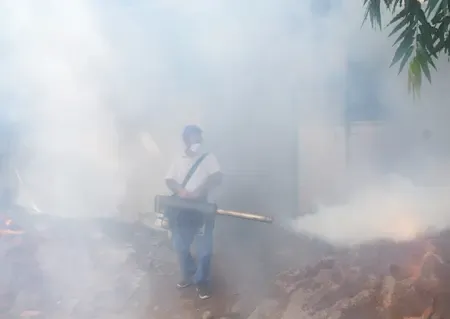
On the public health front, Collectors were directed to strengthen mosquito-control operations, eliminate breeding sources, and improve sanitation infrastructure. Close coordination between Health and Local Administration departments was made mandatory. Officials must monitor fever trends, conduct field inspections, and ensure that hospitals and primary health centres carry adequate medicines, diagnostic equipment, beds, and medical staff.
Vijay also called for intensified public awareness campaigns on preventing mosquito breeding and on seeking early treatment — a recognition that behavioural change remains as critical as clinical capacity in containing dengue outbreaks.
Whole-of-Government Response
The Chief Minister stressed that district administrations, health authorities, civic bodies, police, and disaster-response agencies must act in concert. Notably, this is the second straight day Vijay has personally chaired such a review, signalling urgency at the highest level of the state government as the Northeast Monsoon approaches. The convergence of monsoon-season landslide risk and a dengue uptick makes coordinated cross-departmental action unusually pressing this year.
With the Northeast Monsoon expected to intensify over Tamil Nadu in the coming weeks, officials have been put on notice that avoidable loss of life will not be tolerated.
Point of View
Particularly the Nilgiris, have a documented history of deadly landslides during heavy rainfall, and the soil-nailing call-out for Kodaikanal indicates that at least some preventive infrastructure remains incomplete. The real test will be execution at the district level: whether Collectors move beyond compliance paperwork to actually pre-position equipment and staff. Past monsoon seasons have shown that early-warning systems mean little if the response machinery is not already in place when warnings arrive.
NationPress
22 Sept 2026
Frequently Asked Questions
Why did Tamil Nadu CM Vijay call a review meeting on 22 September 2026?
Chief Minister C. Joseph Vijay convened the meeting to assess disaster-management and disease-prevention preparedness across 10 Tamil Nadu districts ahead of the Northeast Monsoon, amid a rise in dengue and seasonal fever cases. It was the second consecutive day he personally chaired such a review, underlining the urgency.
Which 10 Tamil Nadu districts were covered in the review?
The review covered Coimbatore, Dindigul, Erode, Karur, Madurai, the Nilgiris, Sivaganga, Tenkasi, Theni, and Virudhunagar. Hill districts among these were given additional focus for landslide and soil-slip risk.
What landslide-prevention steps were ordered?
Collectors were directed to maintain continuous surveillance of identified landslide-prone slopes, conduct mandatory inspections before and during heavy rain, and expedite slope-stabilisation projects. Soil-nailing works in Kodaikanal were specifically flagged for accelerated completion, and debris-clearing machinery must be pre-positioned on key hill roads.
What measures were directed for dengue control?
District Collectors were told to strengthen mosquito-control operations, eliminate breeding sources, improve sanitation, and coordinate closely with Health and Local Administration departments. Hospitals and primary health centres must be stocked with adequate medicines, diagnostic facilities, beds, and staff, alongside intensified public awareness campaigns on dengue prevention.
When is the Northeast Monsoon expected to intensify over Tamil Nadu?
The Northeast Monsoon is expected to intensify over Tamil Nadu in the coming weeks, according to the state government's preparedness timeline implicit in the review. Officials have been directed to complete all precautionary measures before the monsoon peaks.