274 minor boys sexually abused in Bangladesh; madrasas account for 65% of victims
Synopsis
A ten-month monitoring report by Justice Makers Bangladesh in France reveals 274 minor boys were sexually abused in 199 incidents across Bangladesh in 2026, with madrasa students making up nearly 66% of victims and madrasa teachers named as accused in half of all recorded cases — a findings that demands urgent institutional accountability.
Key Takeaways
274 minor boys were subjected to sexual violence in 199 incidents across Bangladesh between 1 January and 31 October 2026 .
Madrasa students accounted for 65.7% of all recorded victims — 180 victims in 121 incidents .
Madrasa teachers were named as accused in 93 incidents involving 131 victims , representing 49.4% of all accused persons.
Five incidents reportedly resulted in the deaths of children following alleged sexual violence.
136 children experienced repeated abuse across 67 incidents , nearly half of all recorded victims.
The report was released by Justice Makers Bangladesh in France (JMBF) , which has called for immediate government action and accountability.
At least 274 minor boys were subjected to sexual violence across Bangladesh in 199 incidents between 1 January and 31 October 2026, with madrasa students constituting the majority of recorded victims, according to a ten-month monitoring report released by Justice Makers Bangladesh in France (JMBF), a leading international human rights organisation. The findings expose what the group describes as an alarming and largely underreported crisis of child sexual abuse in the country.
Scale and Spread of Abuse
According to the report, 183 incidents involved allegations of rape affecting 257 children, while 16 cases involved attempted rape against 17 children. The incidents spanned 61 districts across all eight divisions of Bangladesh, occurring in classrooms, residential institutions, homes, and neighbourhoods.
The organisation stressed that many cases never come to public attention, and the actual scale of abuse may be substantially greater than what has been recorded. Notably, five incidents reportedly resulted in the deaths of children following alleged sexual violence — a detail that underscores the lethal dimension of the crisis.
Madrasas at the Centre of the Crisis
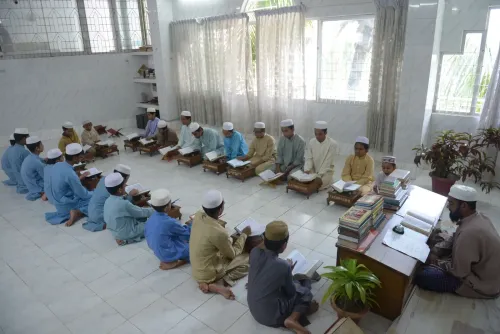
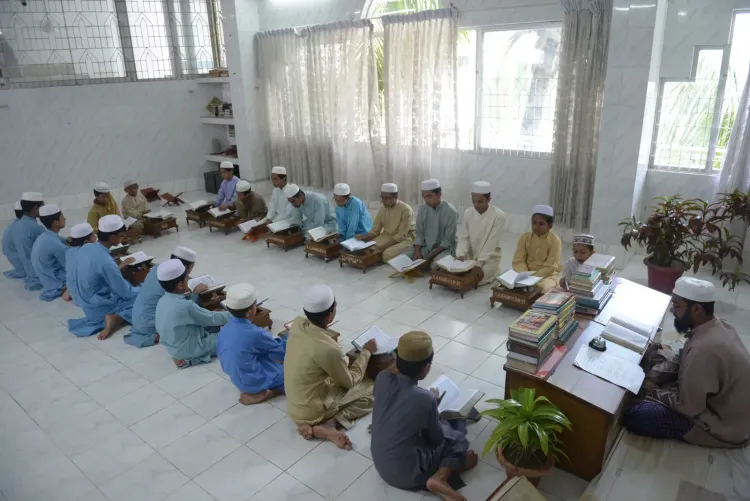
The report's most striking finding concerns the disproportionate prevalence of abuse within religious education settings. Madrasa students accounted for 180 victims across 121 incidents, constituting 65.7% of all recorded victims. Madrasas were identified as the physical locations of abuse in 100 incidents involving 158 victims.
Furthermore, madrasa teachers were named as accused in 93 incidents involving 131 victims, representing 49.4% of all accused persons recorded. When madrasa teachers, students, and religious leaders are considered collectively, they were identified as alleged perpetrators in 107 incidents involving 150 victims.
Critically, 136 children experienced repeated abuse across 67 incidents, accounting for nearly half of all recorded victims — a pattern suggesting systemic failure to intervene even when abuse was ongoing.
What JMBF Said
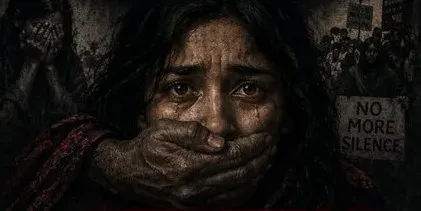
JMBF Founder President Shahanur Islam issued a direct statement on the findings. 'Every one of these children deserved to be safe. A child who finds the courage to speak about abuse must be heard and protected — not threatened, silenced, or sent back into danger. It is deeply disturbing that some of the people accused were entrusted with children's education and care,' he said.
Islam added: 'No institution's reputation is worth more than a child's safety. Anyone who abuses a child, conceals an offence or pressures a family to remain silent must face investigation and, where responsibility is established, lawful accountability. Arrests cannot be the end of the response. Children need treatment, someone they can trust, support to continue their education and a justice process that does not cause them further harm.'
Demands and Next Steps
The JMBF has urged Bangladeshi authorities to take immediate protective measures for children, ensure thorough investigations, and hold accountable all those responsible for the abuse or its concealment. The organisation's call comes amid broader international scrutiny of child protection frameworks in South Asia.
This report covers only incidents that entered the public record during a ten-month window; experts and advocates warn the unreported figure could be multiples higher. Whether Bangladesh's government acts on these findings — and how swiftly — will define the trajectory of child safety reform in the country.
Point of View
And that 136 children endured repeated abuse, points to a systemic breakdown in oversight rather than isolated misconduct. Bangladesh has child protection laws on paper; the question is enforcement and the political will to apply them to religious institutions. What makes this harder to address is the silence dynamic: families reportedly face pressure to stay quiet, which means criminal accountability, by itself, will not suffice. The deeper reform needed is a child-safeguarding mandate inside religious education institutions — with independent oversight — something no South Asian government has yet credibly delivered.
NationPress
2 Nov 2026
Frequently Asked Questions
How many minor boys were sexually abused in Bangladesh in 2026 according to the JMBF report?
At least 274 minor boys were subjected to sexual violence in 199 incidents across Bangladesh between 1 January and 31 October 2026, according to a ten-month monitoring report by Justice Makers Bangladesh in France (JMBF). The organisation noted that unreported cases likely make the actual figure significantly higher.
What role did madrasas play in the abuse cases documented in the JMBF report?
Madrasas were identified as the location of abuse in 100 incidents involving 158 victims. Madrasa students constituted 65.7% of all recorded victims, and madrasa teachers were named as accused in 93 incidents — representing 49.4% of all accused persons in the report.
Who is Justice Makers Bangladesh in France (JMBF)?
Justice Makers Bangladesh in France (JMBF) is an international human rights organisation that monitors human rights conditions in Bangladesh. It released this ten-month monitoring report covering incidents of child sexual abuse recorded between January and October 2026.
What happened to children who experienced repeated abuse?
The report recorded 136 children who experienced repeated abuse across 67 incidents, accounting for nearly half of all recorded victims. This pattern indicates systemic failure to intervene even when abuse was ongoing or previously known.
What has JMBF demanded from the Bangladeshi government?
JMBF has urged Bangladeshi authorities to take immediate measures to protect children, conduct thorough investigations, and ensure accountability for those responsible for the abuse or its concealment. Founder President Shahanur Islam also called for child-centred justice processes that do not further harm victims.