796 Afghan nationals arrested in Pakistan in first week of November: UNHCR-IOM data
Synopsis
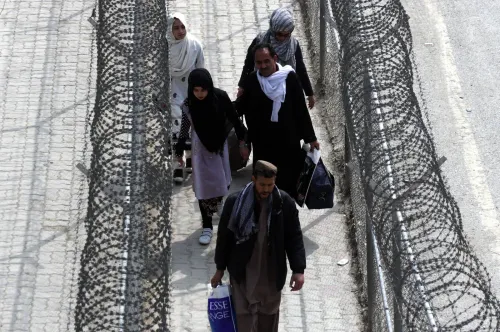
Pakistan arrested 796 Afghan nationals in just the first week of November 2026, with 99 per cent being ACC holders or undocumented — and over 2.75 million people have now returned to Afghanistan since the crackdown began in late 2023. Deportees describe being given hours to leave behind decades-long lives, businesses, and livestock, with no legal route back to settle their affairs.
Key Takeaways
796 Afghan nationals were arrested in Balochistan , Khyber Pakhtunkhwa , Punjab , and Islamabad during 1–7 November 2026 .
99 per cent of those arrested were ACC holders or undocumented ; only 1 per cent were PoR holders.
A cumulative 2,758,958 people have returned to Afghanistan from Pakistan between 23 September 2023 and 7 November 2026 .
During the first week of November, 4,662 returned , of whom 809 were formally deported .
Deportations fell 91 per cent week-on-week, though analysts caution this may reflect a temporary administrative lull.
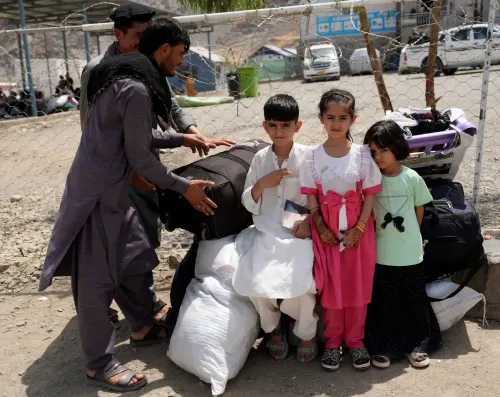
Returnees including Sanaullah , Juma Gul , and Gul Agha described being forced to abandon property, businesses, and livestock with virtually no notice.
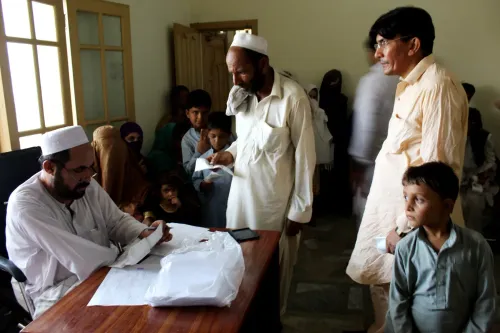
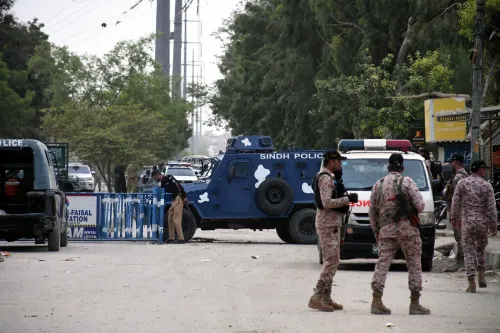
As many as 796 Afghan nationals were arrested by law enforcement agencies across Balochistan, Khyber Pakhtunkhwa, Punjab, and Islamabad during the first week of November 2026, according to a joint update released by the United Nations High Commissioner for Refugees (UNHCR) and the International Organisation for Migration (IOM). The figures, reported by Pakistani daily Dawn, underscore the continuing pace of Pakistan's crackdown on Afghan migrants.
Breakdown of Those Arrested
Of the 796 individuals detained, Afghan Citizen Card (ACC) holders and undocumented Afghans together accounted for 99 per cent of arrests. Proof of Registration (PoR) holders — those with a degree of formally recognised refugee status — represented just 1 per cent. The majority of detentions occurred in Balochistan, followed by Khyber Pakhtunkhwa, Punjab, and Islamabad.
Scale of Returns and Deportations
According to the UNHCR-IOM joint report, a cumulative total of 2,758,958 people had returned to Afghanistan from 23 September 2023 to 7 November 2026. During the first week of November alone, 4,662 people returned to Afghanistan from Pakistan. Of these, 809 were formally deported. Notably, the number of returns declined by 16 per cent and deportations dropped sharply by 91 per cent compared to the previous week of October — a reduction that analysts attribute to seasonal patterns and administrative slowdowns rather than a policy reversal.
Among those who returned during 1–7 November, 78 per cent were undocumented, 12 per cent were PoR holders, and 10 per cent were ACC holders.
Human Cost: Returnees Speak Out
Accounts from deportees paint a stark picture. Sanaullah, who was born in Pakistan and had lived there for nearly 40 years, was deported along with his family despite his long residence. Originally from Afghanistan's Kunar province, he said he was held in detention for three to four days with his children before being sent across the border. He told Afghanistan-based Amu TV that he was forced to leave behind his car and business with virtually no notice.
'Everything we had was left behind. Our cars were left there, and the work we were doing was left behind,' he said. 'They suddenly arrested us and put us in prison. When we came back, everything we had remained there. They kept us there for three or four days, and my children were with me.'
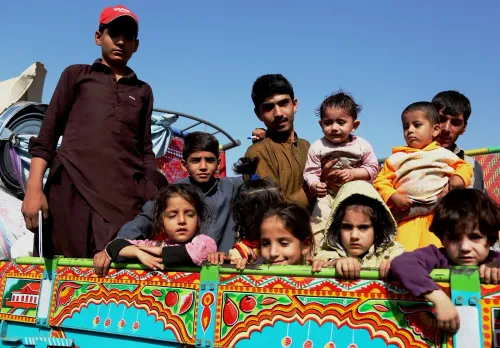
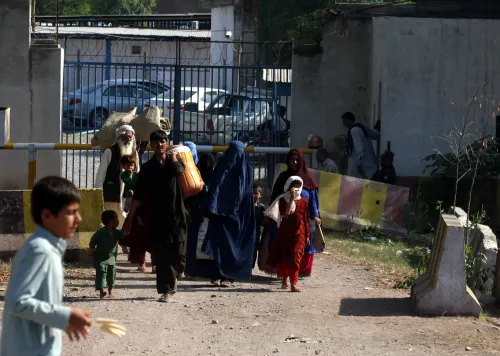
Another returnee, Juma Gul, said his family had managed to bring only bedding, while their tractor, livestock, and household belongings remained behind in Pakistan. A third returnee, Gul Agha, said financial assets were still unresolved and urged Pakistan to allow returnees to travel back legally to settle their affairs, according to Amu TV. A fourth returnee, Ali Mohammad, called on the Taliban administration to assist families in rebuilding their lives in Afghanistan.
Context and Wider Implications
This comes amid a sustained enforcement campaign by Pakistani authorities that began accelerating in late 2023, when Islamabad issued a deadline for undocumented foreigners — primarily Afghans — to leave voluntarily or face arrest and deportation. Critics, including human rights organisations, have argued that the crackdown has not adequately distinguished between undocumented migrants and those holding valid UNHCR-recognised documentation. The pace of deportations and the conditions of detention have drawn particular scrutiny, with returnees reportedly given little to no time to arrange their affairs. The sharp 91 per cent weekly drop in deportation numbers in early November may reflect a temporary administrative lull rather than a sustained moderation in policy.
What Happens Next
With over 2.75 million returns recorded since September 2023, the humanitarian situation in Afghanistan is under mounting strain. Aid agencies are tracking whether absorptive capacity — in terms of shelter, employment, and basic services — can keep pace with arrivals. The UNHCR and IOM are expected to release updated figures in the coming weeks as the crackdown continues.
Point of View
Rather than PoR card holders, suggests some selective targeting that falls short of blanket indiscriminate deportation. What is missing from the official data, however, is any accounting for due process: the accounts from returnees such as Sanaullah — born in Pakistan, resident for 40 years — raise serious questions about how Pakistan distinguishes long-term residents from recent arrivals. The 91 per cent weekly drop in deportations is an outlier that warrants scrutiny; if it reflects a deliberate slowdown, it could signal diplomatic pressure behind the scenes. The humanitarian burden is ultimately being transferred entirely to Afghanistan and to international agencies operating there, with Islamabad bearing none of the resettlement cost.
NationPress
17 Nov 2026
Frequently Asked Questions
How many Afghan nationals were arrested in Pakistan in the first week of November 2026?
According to a joint UNHCR-IOM update reported by Dawn, 796 Afghan nationals were arrested across Balochistan, Khyber Pakhtunkhwa, Punjab, and Islamabad between 1 and 7 November 2026. Of those, 99 per cent were ACC holders or undocumented Afghans.
How many Afghans have been deported or returned from Pakistan since 2023?
A cumulative total of 2,758,958 people returned to Afghanistan from Pakistan between 23 September 2023 and 7 November 2026, according to UNHCR-IOM data. During the first week of November alone, 809 people were formally deported.
Why did deportation numbers drop sharply in early November 2026?
Deportations fell by 91 per cent in the first week of November compared to the previous week of October, according to the UNHCR-IOM report. The reason for the drop has not been officially explained, though analysts suggest it may reflect a temporary administrative slowdown rather than a policy shift.
What conditions are Afghan deportees facing upon return?
Returnees have described being given little to no notice before deportation, leaving behind vehicles, businesses, livestock, and household belongings in Pakistan. Some, like Sanaullah , spent three to four days in detention with their children before being sent across the border, unable to settle financial or property matters.
Who are ACC holders and PoR holders in the context of Pakistani Afghan migrants?
An Afghan Citizen Card (ACC) is a Pakistani government-issued document that identifies an Afghan national residing in Pakistan but does not confer refugee status. A Proof of Registration (PoR) card is issued jointly by UNHCR and Pakistani authorities and provides a degree of formally recognised refugee protection. In the November arrests, PoR holders represented only 1 per cent of detainees.