ADB approves $63.44 million for Cambodia battery storage, 70% renewables by 2030
Synopsis
The ADB is putting $63.44 million behind Cambodia's most ambitious grid upgrade yet — a 250 MW/500 MWh battery storage system at Takeo that must do double duty: absorb surplus solar power domestically and enable cross-border electricity trade with Vietnam. With a 70% renewables target by 2030 and ASEAN grid integration by 2045 on the line, this project is the missing link between Cambodia's generation ambitions and a grid that can actually deliver them.
Key Takeaways
The ADB approved $63.44 million in financing for Cambodia's Utility-Scale Battery Energy Storage Project on 24 June 2025 .
The project will build a 250 MW/500 MWh battery storage system at the Takeo substation in southern Cambodia.
The facility is expected to avoid up to 27,700 tonnes of greenhouse gas emissions annually once operational.
It supports Cambodia's target of 70% renewable energy capacity by 2030 .
The project will also strengthen cross-border electricity trade and grid connectivity with Vietnam , advancing the ASEAN Power Grid 's 2045 integration goal.
The Asian Development Bank (ADB) has approved a financing package of $63.44 million to accelerate Cambodia's renewable energy transition through a utility-scale battery storage project, the multilateral lender announced on Wednesday, 24 June. The funding marks a significant step in the Southeast Asian nation's effort to reduce dependence on imported fossil fuels and stabilise a grid increasingly strained by industrial growth.
What the Project Entails
The Utility-Scale Battery Energy Storage Project will fund the construction of a 250-megawatt/500-megawatt-hour battery energy storage system at the Takeo substation in southern Cambodia. The facility will store surplus renewable energy and dispatch it back to the grid to manage peak loads and smooth out supply fluctuations — a critical function as solar capacity expands faster than grid infrastructure can absorb it.
The project is designed to serve growing electricity demand from industrial zones, agro-processing facilities, and urban districts in southern Cambodia, according to the ADB.
Cross-Border Energy Trade and ASEAN Integration
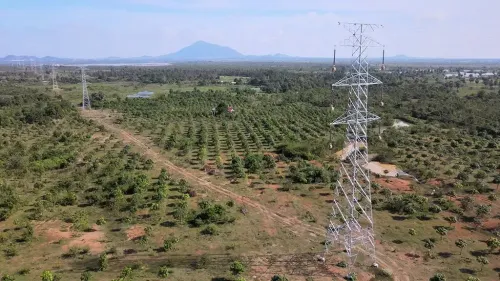
Beyond domestic grid stability, the project is expected to drive cross-border electricity trade and grid interconnectivity with Vietnam, including Cambodia's power imports. This directly supports the ASEAN Power Grid's goal of achieving fully integrated electricity grid operations across Southeast Asia by 2045. The initiative positions Cambodia as an active participant in regional energy architecture rather than a passive importer.
What the ADB Said
ADB Country Director for Cambodia Yasmin Siddiqi said the project reinforces Cambodia's clean energy commitment amid a global energy crisis. 'By strengthening the power grid with advanced battery storage, we are helping the country unlock more renewable energy while ensuring that families, farmers, and businesses benefit from safe, stable, and affordable electricity,' she said.
Cambodia's Energy Challenge and 2030 Target
Cambodia's energy sector currently relies heavily on imported fuel for power generation. Despite progress in expanding generation capacity and transmission infrastructure, the country remains exposed to external price volatility and supply disruptions — risks amplified by geopolitical tensions. The project supports Cambodia's national target to achieve 70 per cent renewable energy capacity by 2030. Once operational, the battery storage system is expected to avoid up to 27,700 tonnes of greenhouse gas emissions annually, according to the ADB. This is the kind of structural intervention — pairing generation with storage — that analysts have long argued is necessary to make renewable targets credible rather than aspirational.
Point of View
But the more interesting signal here is the cross-border trade component — if the Takeo system enables reliable electricity exports to Vietnam, it reframes Cambodia from an energy-deficit country into a potential regional supplier. The 70% renewables target by 2030 is ambitious given current infrastructure gaps; the real question is whether this single project can catalyse the broader transmission investment that storage alone cannot substitute.
NationPress
23 Sept 2026
Frequently Asked Questions
What is the ADB's $63.44 million project in Cambodia?
It is a financing package approved by the Asian Development Bank to build a 250-megawatt/500-megawatt-hour battery energy storage system at the Takeo substation in southern Cambodia. The project aims to stabilise the grid, integrate more renewable energy, and support cross-border electricity trade with Vietnam.
How does this project support Cambodia's 2030 renewable energy target?
Cambodia has set a target of 70% renewable energy capacity by 2030. The battery storage system will store surplus solar and other renewable energy and dispatch it during peak demand, making higher shares of renewables operationally viable on the national grid.
What environmental impact is expected from the project?
Once operational, the battery energy storage system is expected to avoid up to 27,700 tonnes of greenhouse gas emissions annually, according to the ADB, by reducing reliance on fossil-fuel-based peaking power.
How does the project connect to the ASEAN Power Grid?
The project is designed to strengthen cross-border electricity trade and grid interconnectivity with Vietnam, directly contributing to the ASEAN Power Grid's goal of fully integrated electricity grid operations across Southeast Asia by 2045.
Why does Cambodia need battery storage?
Cambodia's power sector relies heavily on imported fuel and faces risks from external price volatility and supply disruptions. Battery storage allows the country to capture excess renewable generation, reduce dependence on fossil fuel imports, and supply stable electricity to fast-growing industrial zones and urban areas in the south.