Afghanistan mine blast kills one, injures another in Nuristan's Barg-e Matal
Synopsis
A mining blast in Afghanistan's remote Nuristan province has killed one worker and injured another — the fourth recorded fatal mining incident in the country since January 2025. With no safety inspectorate, no independent oversight, and a sector expanding under Taliban administration, each new fatality underlines a systemic crisis that international bodies can no longer monitor from the inside.
Key Takeaways
One miner was killed and another injured in a mining explosion in Barg-e Matal district , Nuristan , on Saturday, 9 August .
The blast occurred in the Pechigram area ; the cause and mineral type involved remain unconfirmed.
In March 2025 , two workers died from gas poisoning in a coal mine in Samangan province .
In February 2025 , one person was killed in a mine collapse at a sapphire mine in Nangarhar province .
On 9 January 2025 , at least four miners died from carbon monoxide poisoning in Badakhshan province .
This is at least the fourth fatal mining incident in Afghanistan since January 2025 , with no regulatory body in place to investigate.
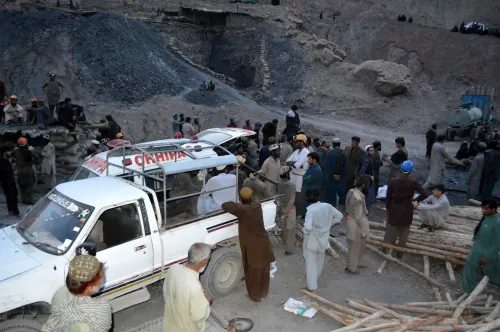
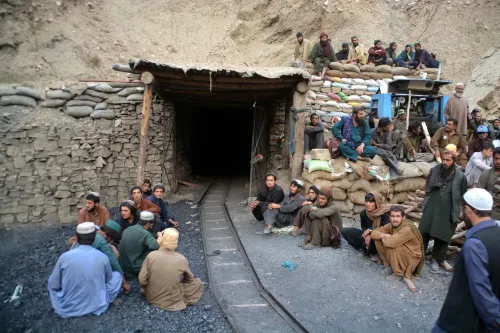
One miner was killed and another seriously injured after an explosion ripped through a mining operation in the Barg-e Matal district of Nuristan province, Afghanistan, on Saturday, 9 August, local media reported. The blast occurred in the Pechigram area while two men were actively extracting minerals, according to reports citing local sources.
The cause of the explosion has not been established, and no information has been made available regarding the type of mineral being extracted at the site at the time of the incident.
What Happened at Pechigram
The two workers were engaged in extraction activity when the explosion occurred, according to reports. One miner died at the scene while the second sustained injuries. No official statement from Taliban-administered local authorities in Nuristan had been issued as of the time of reporting, and the precise nature of the blast — whether linked to equipment failure, trapped gases, or other causes — remains unclear.
A Pattern of Mining Fatalities Across Afghanistan
The Barg-e Matal incident is the latest in a series of deadly mining accidents recorded across Afghanistan in recent months, underscoring the severe and persistent safety deficits in the country's largely unregulated extraction sector.
In March 2025, two coal mine workers died from gas poisoning inside a mine in the Dara-i-Suf Bala district of Samangan province. Taliban police authorities in Samangan confirmed the deaths, stating the victims were from Bamiyan and Daikundi provinces. In a statement, the Taliban's police command said the two workers died due to gas exposure inside the coal mine.
In February 2025, one person was killed and another injured after being buried under debris at a sapphire mine in the Mamand Tor Nawo area of Spin Ghar district, Nangarhar province, according to provincial police. The collapse was confirmed by the provincial police headquarters in an official statement.
Earlier, on 9 January 2025, at least four miners died from carbon monoxide poisoning in a precious and semi-precious stones mine in the Khash district of Badakhshan province. Provincial police spokesman Ehsanullah Kamgar stated that toxic gas had accumulated in the underground workings, causing four workers to suffocate to death.
The Broader Safety Crisis in Afghan Mining
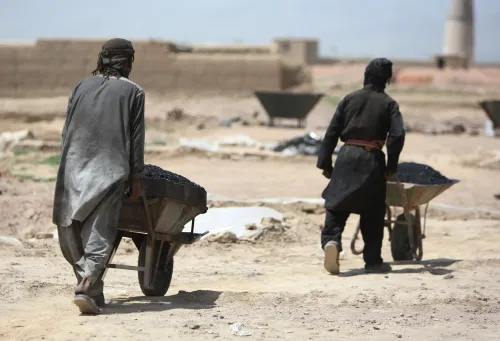
Afghanistan holds significant untapped mineral wealth — estimates have placed its reserves at over $1 trillion in value — yet the sector operates with minimal safety infrastructure, no independent inspectorate, and limited emergency response capacity. Workers are routinely exposed to risks including gas accumulation, structural collapse, and uncontrolled blasting, with fatalities going largely undocumented beyond local media reports.
Notably, this is at least the fourth recorded fatal mining incident in Afghanistan since January 2025, pointing to a systemic failure rather than isolated accidents. Critics argue that without enforceable safety standards and independent oversight, the extraction boom under Taliban administration will continue to cost lives.
What Comes Next
No investigation has been announced by local Taliban authorities in Nuristan into the Barg-e Matal blast. As Afghanistan remains cut off from most international regulatory frameworks and development assistance, the prospect of meaningful safety reform in the mining sector remains distant. Advocacy groups monitoring conditions inside Afghanistan are expected to flag the rising toll as evidence of worsening labour protections under current governance.
Point of View
Emergency response infrastructure, or enforceable labour law means the human cost of extraction is being borne entirely by workers with no recourse. The international community's disengagement, however justified on political grounds, has a direct body count in places like Barg-e Matal and Badakhshan. That cost deserves to be named plainly.
NationPress
23 Sept 2026
Frequently Asked Questions
What happened in the Barg-e Matal mining explosion?
One miner was killed and another injured when an explosion struck a mining operation in the Pechigram area of Barg-e Matal district, Nuristan province, Afghanistan, on Saturday, 9 August. The cause of the blast and the mineral being extracted have not been confirmed.
How many mining deaths have occurred in Afghanistan in 2025?
At least eight miners have died in recorded fatal incidents since January 2025 — four from carbon monoxide poisoning in Badakhshan in January, two from gas poisoning in Samangan in March, one in a mine collapse in Nangarhar in February, and one in the Barg-e Matal blast in August. The actual toll is likely higher given limited reporting from remote areas.
What caused the deaths in the Badakhshan mine incident?
On 9 January 2025, at least four miners died after toxic gas — specifically carbon monoxide — accumulated in the underground workings of a precious and semi-precious stones mine in the Khash district of Badakhshan. Provincial police spokesman Ehsanullah Kamgar confirmed the deaths, stating the workers suffocated due to gas exposure.
Why is mining so dangerous in Afghanistan?
Afghanistan's mining sector operates with minimal safety infrastructure, no independent regulatory inspectorate, and limited emergency response capacity. Workers face risks including gas accumulation, structural collapse, and uncontrolled blasting. The Taliban administration has not established enforceable safety standards, and international oversight mechanisms have been largely withdrawn.
Has any investigation been launched into the Barg-e Matal blast?
No investigation has been announced by Taliban-administered local authorities in Nuristan as of the time of reporting. The cause of the explosion and the type of mineral being extracted remain officially unconfirmed.