Did Pakistan and Iran Really Deport Over 2,370 Afghan Refugees?
Synopsis
In a troubling development, over 2,370 Afghan refugees were forcibly deported from Iran and Pakistan in a single day, shedding light on the dire situation faced by these individuals. With reports of police harassment and human rights violations, the plight of Afghan refugees continues to worsen amid rising tensions.
Key Takeaways
Over 2,370 Afghan refugees were forcibly deported in one day.
Returnees were assisted with additional support upon arrival.
Continuous police harassment has been reported against Afghan refugees.
Human rights organizations have remained largely silent on the issue.
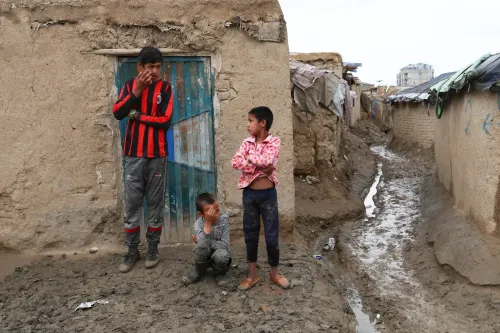
Living conditions for Afghan refugees are dire and filled with fear.
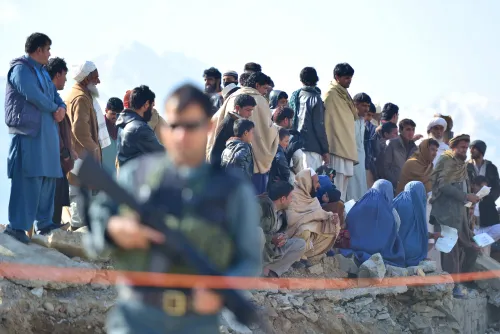
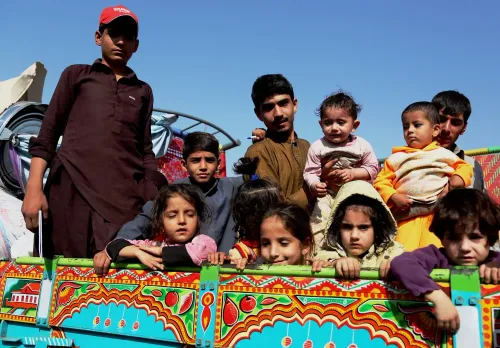
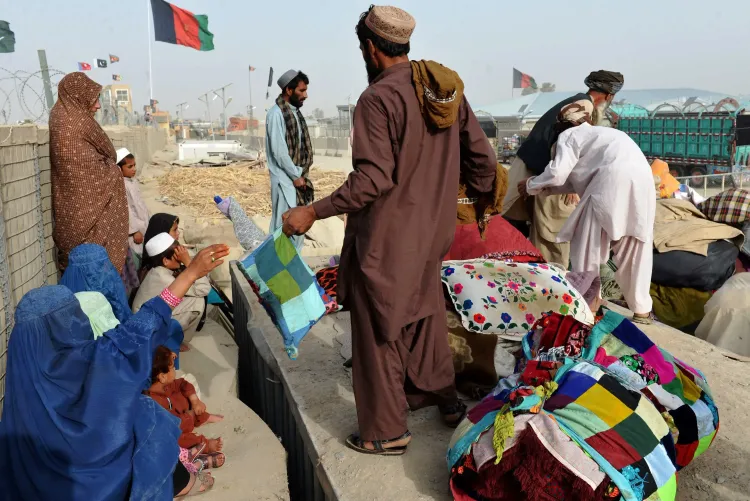
Kabul, Dec 27 (NationPress) In a shocking turn of events, over 2,370 Afghan refugees were forcibly sent back from both Iran and Pakistan in just one day, as reported by local media on Saturday, citing a Taliban official.
The deputy spokesperson for the Taliban, Mullah Hamdullah Fitrat, shared insights from the High Commission for Addressing Migrants' Issues via his social media account, revealing that 501 families, totaling 2,370 individuals, returned to Afghanistan on Friday, according to Pajhwok Afghan News.
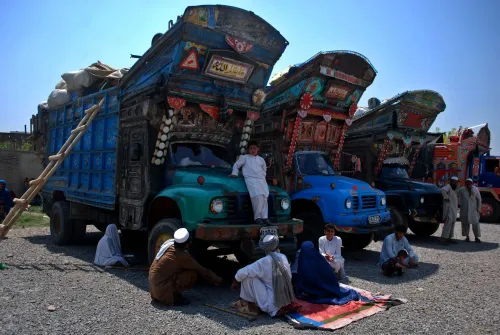
These Afghan returnees made their way back through various border crossings, including Islam Qala in Herat, Pul-i-Abresham in Nimroz, Spin Boldak in Kandahar, Bahramcha in Helmand, and Torkham in Nangarhar.
Fitrat noted that upon their arrival, returnees were escorted to their respective regions, with 742 families receiving additional support. Furthermore, local telecommunication companies facilitated the process by providing 562 SIM cards to the returning refugees.
On a related note, Fitrat disclosed that 2,400 Afghan refugees had been forcibly repatriated from Iran and Pakistan just the day before.
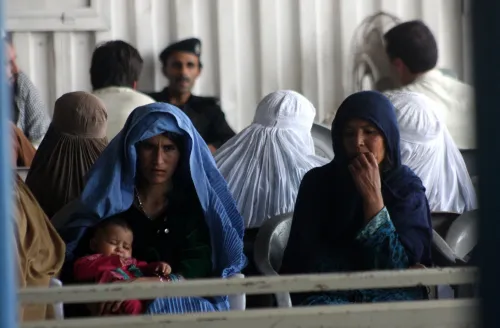
Earlier in November, numerous Afghan refugees in Pakistan expressed feeling overwhelmed by relentless pressure from local authorities, where police were reported to be conducting searches and arrests, exploiting the refugees' precarious situation for profit.
A report from an Afghan publication, '8 AM Media', also known as Hasht-e-Subh Daily, emphasized that Afghan refugees in Pakistan are deprived of basic human rights and live in constant trepidation.
Despite ongoing violations, human rights organizations and refugee-support groups have remained largely silent about the plight of these individuals and the government's failure to honor its commitments to human rights and refugee protection.
In recent months, as tensions have escalated between the Taliban and Pakistan, Islamabad has intensified its campaign against Afghan refugees, with police conducting widespread harassment in various regions, including Islamabad.
In addition to formal operations targeting undocumented Afghan refugees, individuals dressed in plain clothes have been reported extorting money from migrants in residential neighborhoods. Afghan nationals have voiced their struggles, asserting that they are living in dire conditions characterized by fear and anxiety, with their refugee rights being routinely ignored.
Point of View
It is imperative to recognize the grave implications of the forced deportation of Afghan refugees from Pakistan and Iran. The continuous pressure and violation of their rights reflect a troubling trend that must be addressed. Our responsibility is to advocate for the humane treatment of all individuals, regardless of their circumstances.
NationPress
1 Oct 2026
Frequently Asked Questions
Why were Afghan refugees deported?
Afghan refugees were deported due to increasing pressure and enforcement actions by the authorities in Pakistan and Iran, with reports of police harassment and lack of legal protections.
How many Afghan refugees were affected?
Over 2,370 Afghan refugees were forcibly deported in a single day, according to local media reports.
What assistance was provided to returnees?
Upon their return, 742 families received additional assistance, and local telecommunication companies provided 562 SIM cards to the returning refugees.
What are the living conditions of Afghan refugees in Pakistan?
Many Afghan refugees in Pakistan report living in fear and anxiety, lacking basic human rights and facing harassment from local authorities.
What has been the reaction of human rights groups?
Human rights groups have been largely silent regarding the ongoing plight of Afghan refugees, despite clear violations of their rights.