How Are Social and Class Structures Concealing the Exploitation of Women in Pakistan?
Synopsis
The research from Pakistan reveals the troubling realities of women's roles in care work, highlighting the intersectionality of social and class hierarchies. As the nation's population grows, the hidden exploitation of women in caregiving roles becomes increasingly apparent. This article delves into the complexities of care work, emphasizing the urgent need for recognition and policy reform.
Key Takeaways
Women bear the brunt of care responsibilities in Pakistan, often without acknowledgment.
Population growth will increase the demand for care services.
Intersectionality complicates the experiences of women in care work.
The International Labour Organisation urges recognition and support for care workers.
Unpaid labor reinforces gender inequalities.
Islamabad, Dec 29 (NationPress) A new study originating from Pakistan has highlighted the undeniable intersectionality of women's roles in care work. The weight of care responsibilities and low-wage labor predominantly falls on women at the fringes of social influence, according to a report.
Pakistan is anticipated to rank as the world’s third most populous country within the next 25 years, a projection emphasized during the Dawn Population Summit held earlier in December. As the population escalates, the demand for care services across the nation will also surge, encompassing both direct personal care and indirect caregiving tasks in household, hospital, and community environments, as noted by Meherunissa Hamid, a research fellow at the London School of Hygiene and Tropical Medicine, in a report published in Dawn. Despite being essential, care work is still perceived as an inherent duty of women, rather than as a specialized profession deserving of respect, protection, and policy consideration.
On the recent International Day of Care and Support, the International Labour Organisation urged for 'greater acknowledgment of care work and synchronized measures to guarantee decent conditions, social security, and equality for all care workers' in Pakistan. Nonetheless, a more somber reality must be confronted. Not only do women disproportionately shoulder formal and informal caregiving responsibilities, but these burdens are also unevenly distributed among women, rendering care work a profoundly intersectional issue,” the report from Dawn outlined.
“Delving into the research from Pakistan reveals the complex nature of women’s engagement in care work. The weight of care duties and low-compensated labor is felt most acutely by women who are marginalized socially. Studies from Sargodha illustrate how female domestic workers navigate the intersections of gender, class, and minority identities. Often poor, migrant, and from religious minority backgrounds, these women maintain urban households while remaining largely unseen due to the domestic nature of their work, which is shaped by social and class hierarchies that facilitate hidden exploitation,” it further added.
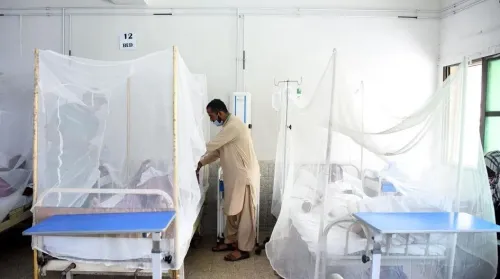
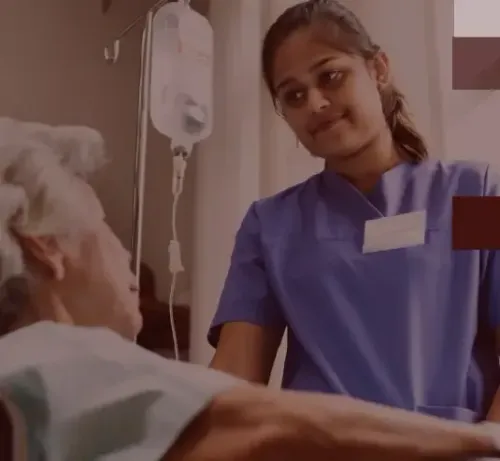
Research conducted during the Covid-19 pandemic in Abbottabad highlights these disparities. Women engaged in unpaid caregiving were found to perform many more hours than men, reinforcing a gender dynamic where men's paid employment relies heavily on women’s unrecognized labor. Investigations into nursing roles within hospitals reveal how gender, class, and professional hierarchies collectively diminish the value of nurses, who are often regarded as subservient, stigmatized for working night shifts and being in close quarters with male patients, further disrespected by both doctors and patients. Lady health workers consistently face challenges related to job security, harassment, and ongoing struggles for acknowledgment and stability.
“These layers of inequality do not act independently; rather, they compound. Women within the Pakistani care workforce are not merely ‘women,’ ‘poor,’ or ‘Muslim, Christian, or Hindu,’ or ‘from rural areas.’ All these intersecting identities shape their employment opportunities, communication experiences, safety, and legal protections. Being a woman, economically disadvantaged, from a marginalized group, and working within either formal or informal care systems encapsulates a single, deeply intertwined state of vulnerability,” the report elaborated.
“Intersectionality calls for an honest assessment of our own societal hierarchies. Who changes the linens in our private homes and hospital wards? Who performs sanitation duties? Who travels door-to-door with vaccine supplies? Who tends to our aging parents? Who prepares meals, cleans, and provides care without compensation or recognition? Pakistan cannot forge a more equitable future without acknowledging how both paid and unpaid care work is organized through multiple layers of inequality,” it concluded.
Point of View
It is crucial to spotlight the intersectional challenges faced by women in Pakistan's care workforce. The report sheds light on the urgent need for policy changes and societal acknowledgment of the vital roles these women play in our communities. Our commitment remains to advocate for a more equitable society that recognizes and values all forms of labor.
NationPress
27 Sept 2026
Frequently Asked Questions
What is the impact of population growth on care work in Pakistan?
As Pakistan's population is projected to rise significantly, the demand for care services will increase, necessitating more attention to the roles women play in caregiving and the inequalities they face.
How does intersectionality affect women's roles in care work?
Intersectionality highlights how various identities, such as gender, class, and minority status, influence women's experiences and challenges in care work, often leading to compounded inequalities.
What are the calls to action from the International Labour Organisation?
The International Labour Organisation has called for greater recognition of care work, emphasizing the need for decent work conditions, social protection, and equality for all care workers in Pakistan.
Why is unpaid care work a significant issue?
Unpaid care work disproportionately falls on women, reinforcing existing gender inequalities and often going unrecognized in economic discussions.
What challenges do lady health workers face in Pakistan?
Lady health workers encounter numerous challenges, including job insecurity, harassment, and a lack of recognition, which hinder their ability to perform their critical roles effectively.