Institutional Neglect and Discrimination Against Sanitation Workers in Pakistan: A Report
Synopsis
A recent report sheds light on the severe challenges faced by sanitation workers in Pakistan, highlighting the urgent need for justice and recognition of their essential contributions to society. Discover the systemic issues that render their plight largely invisible.
Key Takeaways
Sanitation workers are essential for urban health.
They face systemic discrimination and neglect.
Women in this field suffer from compounded discrimination.
Regulatory frameworks are urgently needed for safety.
Economic justice is critical for their well-being.
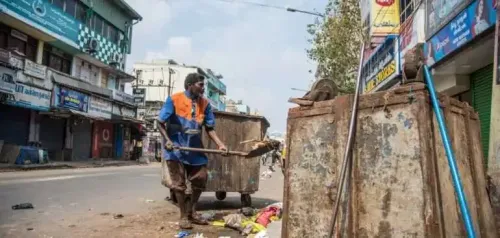
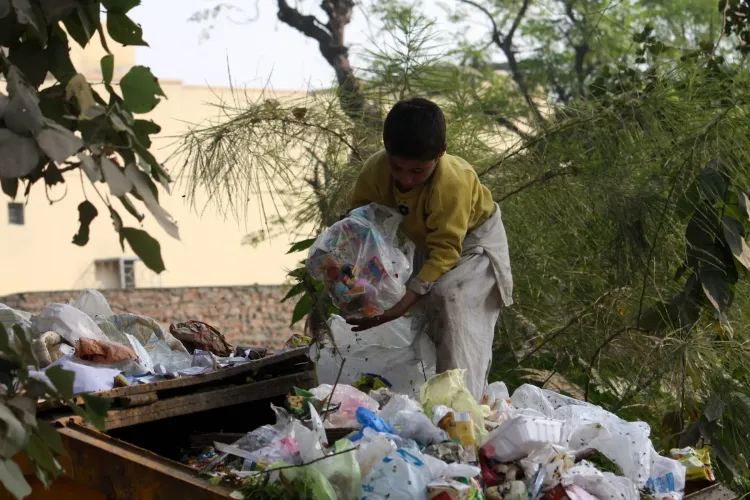
Islamabad, March 11 (NationPress) The sanitation workforce in Pakistan faces significant challenges stemming from deeply rooted caste systems, biased hiring practices, lack of legal safeguards, institutional neglect, social stigma, gender-based exploitation, and economic inequity. This ongoing struggle is woven into the very fabric of the nation, making it largely unnoticed, as highlighted in a report released on Tuesday.
As reported by the European Times, sanitation workers, whose essential efforts keep urban areas operational, combat disease, and support public health, deserve respect, safety, fair compensation, and equal rights—not as acts of charity, but as a matter of justice.
“In Pakistan, sanitation employment intersects with caste, class, religion, and gender, creating one of the nation's most entrenched yet under-recognized human rights crises. Individuals responsible for maintaining the cleanliness of cities, clearing drainage systems, and working in sewers are often perceived as disposable. Their contributions are vital, yet their lives are consistently undervalued. Female sanitation workers face even greater challenges, experiencing a ‘triple discrimination’ based on caste, religion, and gender,” the report elaborated.
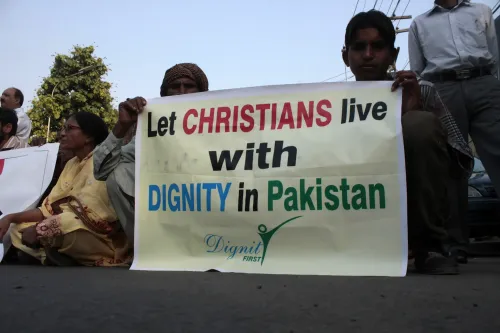
The report further states, “In Pakistan, sanitation work is not just a job; it is a caste-assigned occupation passed down through generations. Most workers hail from marginalized Christian and Hindu communities, coerced into this profession by biased recruitment methods and the lack of genuine employment opportunities.”
Referencing findings from Pakistan’s National Commission for Human Rights (NCHR) entitled 'Risks Associated with Sanitation Work in Pakistan', the report outlines “extensive injuries, fatalities, and perilous working conditions,” underscoring the absence of a comprehensive national health and safety framework.
“In the absence of regulatory oversight or emergency response systems, workers are frequently placed in hazardous settings, exposed to toxic fumes. The ongoing fatalities of Christian workers engaged in manual scavenging represent a grave breach of basic rights and a persistent failure of the state to meet its constitutional responsibilities,” it stated.
Moreover, the report notes that Pakistan’s Supreme Court has expressed concern over whether public office has devolved into “a mere evasion of duty,” questioning if the lives of sewerage workers are deemed less important than those of other citizens.
“The crisis is exacerbated for female sanitation workers. They encounter the same caste- and religion-based biases as their male peers, compounded by gendered exploitation. Amnesty International describes their situation as ‘triple discrimination’, highlighting the multiple vulnerabilities they face. Female workers often earn significantly less than the legal minimum wage and confront increased social stigma, restricted mobility, and substantial obstacles in accessing social protection programs,” it elaborated.
Addressing the discrimination faced by these workers, the report concludes, “Economic marginalization is a defining characteristic of sanitation employment in Pakistan. Despite performing some of the most vital and hazardous work in the nation, they remain among the least compensated.”
Point of View
It is crucial to highlight the systemic injustices that plague sanitation workers in Pakistan. Their contributions are vital to society, yet they remain marginalized and undervalued. Addressing these issues is not only a matter of human rights but also of national integrity and dignity.
NationPress
19 Sept 2026
Frequently Asked Questions
What are the main challenges faced by sanitation workers in Pakistan?
Sanitation workers in Pakistan face challenges including caste-based discrimination, lack of legal protections, unsafe working conditions, and economic exploitation.
How does gender impact sanitation workers' experiences?
Female sanitation workers often face 'triple discrimination' based on caste, religion, and gender, resulting in lower wages and increased social stigma.
What does the NCHR report say about sanitation work conditions?
The NCHR report highlights widespread injuries, fatalities, and the absence of a national health and safety framework for sanitation workers in Pakistan.
What is the significance of sanitation workers to public health?
Sanitation workers play a crucial role in preventing disease and maintaining public health by ensuring clean urban environments.
What steps could improve the situation for sanitation workers?
Implementing legal protections, ensuring fair wages, and increasing public awareness about the importance of sanitation work are essential steps.