Pakistan sanitation worker deaths expose systemic bias against Christians
Synopsis
At least six Christian sanitation workers have died in Pakistani sewers since April 2025 — not by accident, but by design, according to rights groups. With a single PPE suit reportedly shared across entire field offices and a hiring system that traps minorities in hazardous roles, Minority Concern says these deaths are the predictable outcome of structural discrimination, not individual misfortune.
Key Takeaways
At least six Christian sanitation workers have died in sewer-related incidents in Pakistan since April 2025 .
Shabbir Masih (33) died on 7 May after inhaling toxic gas in a 25-foot-deep sewer in Faisalabad ; Shakeel Masih and Samar Masih died in Sahiwal three days earlier.
Rights group Minority Concern attributes the deaths to systemic discrimination that pushes Christians — roughly 1.37% of Pakistan's population — into hazardous, low-paid sanitation roles.
Worker Shafiq Masih alleges each Water and Sanitation Authority field office has only one PPE suit , displayed to officials rather than used in the field.
Authorities reportedly hired daily wage labourers after Christian workers refused to enter manholes without proper protective equipment.
At least six Christian sanitation workers have died in Pakistan in sewer-related incidents since April 2025, with a minority rights group attributing the fatalities to what it describes as systemic discrimination that funnels Christians into hazardous, low-paid sanitation work with inadequate safety protections. The deaths have drawn fresh scrutiny to the conditions faced by Pakistan's Christian minority, who make up roughly 1.37 per cent of the country's population.
Recent Deaths and Incidents
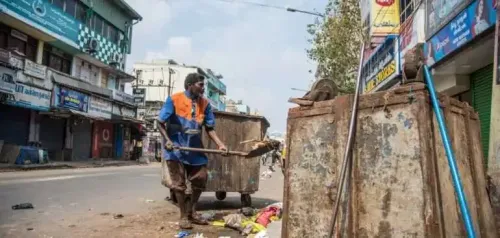
On 7 May, Shabbir Masih, aged 33, died after inhaling toxic gas inside a 25-foot-deep sewer line in Faisalabad. Three days earlier, Shakeel Masih and Samar Masih died while cleaning a sewer line in Sahiwal. In April, three more Christian workers perished in comparable incidents in Karachi, according to reports. The pattern points to a recurring, systemic failure rather than isolated accidents.
What Minority Concern Said
Minority Concern Director Alexander Mughal stated, 'Sanitary workers are indispensable members of society. No individual should risk their life simply for carrying out essential public service work.' He added, 'Protecting the rights and safety of Christian sanitary workers is not only a labour issue — it is a matter of human dignity, equality, and justice.'
The PPE Shortage Allegations
Christian sanitation worker Shafiq Masih, who helped establish a union of nearly 2,900 sanitation workers in Lahore's Johar Town in 2023, has rejected official assurances that proper Personal Protective Equipment (PPE) is being distributed. He said, 'Each of the Water and Sanitation Authority field office responsible for sewer maintenance reportedly has only one PPE suit, shown only to visiting officials or media. Even that imported suit from Japan is not suitable for local conditions — it is heavy and impractical. The death toll is higher than reported.' He noted that despite more than 20 years of service, conditions have not meaningfully improved.
Structural Discrimination Behind the Crisis
Rights advocates argue the crisis is rooted in caste-linked discrimination historically prevalent across South Asia, which has confined minority communities — particularly Christians — to sanitation roles. Minority Concern has called on Pakistani authorities to end discriminatory hiring practices that channel minorities into hazardous work. Notably, authorities reportedly began hiring daily wage labourers after Christian workers refused to enter manholes without adequate PPE, suggesting that the state response prioritised continuity of service over worker safety.
What Needs to Happen Next
Rights groups are pressing for enforceable safety standards, verified PPE distribution, and an end to occupational segregation along religious and caste lines. Without structural reform, advocates warn, the cycle of preventable deaths is likely to continue.
Point of View
And the state has consistently prioritised service continuity over worker lives. The hiring of daily wage labourers the moment workers asserted safety rights reveals the true calculus: replaceable labour is cheaper than reform. International pressure and domestic advocacy have so far produced statements, not structural change.
NationPress
20 Sept 2026
Frequently Asked Questions
How many Christian sanitation workers have died in Pakistan in 2025?
At least six Christian sanitation workers have died in sewer-related incidents in Pakistan since April 2025. The deaths occurred across Faisalabad, Sahiwal, and Karachi, according to reports.
Why are Christians disproportionately employed in Pakistan's sanitation sector?
Christians comprise roughly 1.37 per cent of Pakistan's population but are historically linked to sanitation roles through caste-based discrimination prevalent across South Asia. Rights groups say limited employment opportunities and deep-rooted social stigma leave many with little choice but to accept hazardous sanitation work.
What did Minority Concern say about the deaths?
Minority Concern Director Alexander Mughal said the deaths reflect systemic discrimination, unsafe working conditions, and inadequate protective equipment. He called protecting sanitation workers' rights 'a matter of human dignity, equality, and justice.'
Are sanitation workers in Pakistan provided with proper PPE?
According to worker Shafiq Masih, each Water and Sanitation Authority field office reportedly has only one PPE suit, which is displayed to visiting officials or media rather than used in the field. He also said the suit, imported from Japan, is impractical for local conditions.
What are rights groups demanding from Pakistani authorities?
Groups like Minority Concern are calling for an end to discriminatory hiring practices, enforceable occupational safety standards, and verified PPE distribution to all sanitation workers. They argue the issue goes beyond labour law and constitutes a human rights concern.