Christian man killed in Pakistan after Muslim co-worker objects to shared water cooler

Synopsis
A Christian daily-wage worker in Pakistan's Kasur district was stabbed to death after drinking from a shared water cooler at a brick kiln — a right his Muslim co-worker allegedly refused him on grounds of religion. The killing leaves behind four children, one with thalassemia, and lands amid a string of deaths of Christian sanitation workers, prompting rights groups to call it part of a systemic pattern of minority persecution.
Key Takeaways
Siddique Masih (40) , a Christian daily-wage labourer, was stabbed to death at Ayyan brick kiln in Gohar Chak No 8, Kasur district, Pakistan .
The attacker, identified as Ahmad Varyam , allegedly objected to Siddique drinking from a shared water cooler because of his Christian faith.
Siddique was the sole breadwinner for his wife and four minor children ; one son has thalassemia requiring transfusions every two to three weeks .
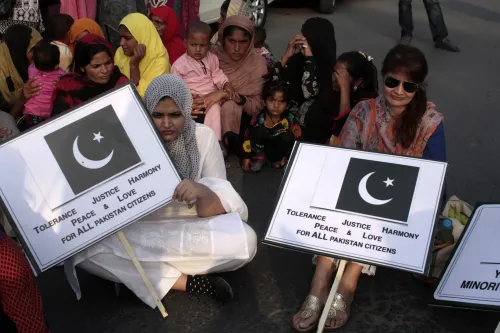
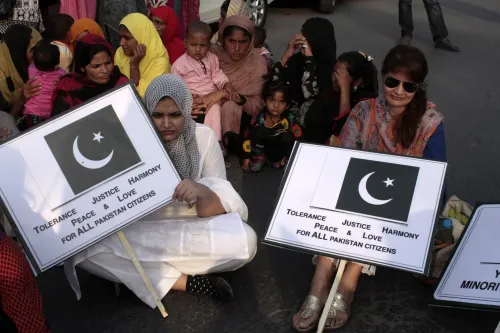
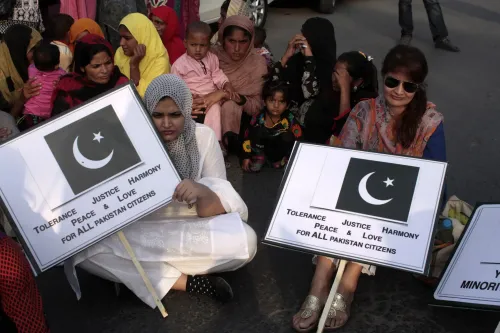
Rights groups, including the Organization for Legal Aid (OLA) , say the killing reflects a broader pattern of violence against religious minorities in Pakistan.
Christians make up approximately 1.37% of Pakistan's population and are disproportionately employed in hazardous, low-paid roles due to systemic discrimination.
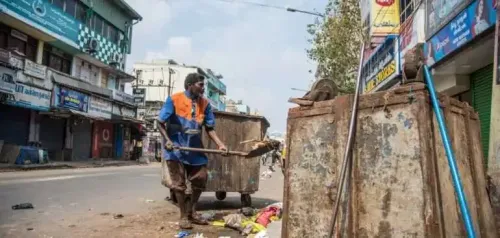
Multiple Christian sanitation workers have also died in recent months in Faisalabad , Sahiwal , and Karachi , with advocacy groups attributing the deaths to unsafe conditions and structural exclusion.
A Christian labourer, Siddique Masih (40), was stabbed to death by a Muslim co-worker at a brick kiln in Kasur district, Punjab province, Pakistan, after a dispute erupted over his use of a shared water cooler — an act the attacker allegedly objected to on grounds of the victim's religious identity. The killing, reported by Christian Daily International-Morning Star News, has drawn sharp condemnation from minority rights groups and renewed scrutiny of the treatment of religious minorities in Pakistan.
How the Incident Unfolded
According to local pastor and rights activist Saleem Ghouri, Siddique and his brother Rafique Masih worked as daily wage brick loaders at different kilns in Kasur district. On the day of the killing, the two brothers were at the Ayyan brick kiln in Gohar Chak No 8 village to load bricks onto a truck.
Ghouri said that a brief argument first broke out between Siddique and a Muslim co-worker identified as Ahmad Varyam over a wage-related matter, but appeared to have been resolved after other workers intervened. The situation then escalated when Ahmad confronted Siddique again — this time objecting to his drinking from the same water cooler used by other labourers, citing Siddique's Christian faith.
'Witnesses said Ahmad confronted Siddique and objected to his drinking water from the same cooler because he was a Christian,' Ghouri told the publication. Siddique reportedly responded by drawing a comparison between Ahmad's conduct and the denial of water to Imam Hussain and his family before the massacre at Karbala. 'According to witnesses, Ahmad then pulled out a knife, grabbed Siddique from behind and slit his throat. He died on the spot,' Ghouri said.
A Family Left Without Its Breadwinner
Ghouri described the devastating impact on Siddique's family. Siddique was the sole earner for his wife and four minor children, the family living in rented accommodation and already under financial strain. One of his sons reportedly suffers from thalassemia and requires blood transfusions every two to three weeks.
'His death has left them facing an uncertain future. We pray that they find strength and that justice is served,' Ghouri said.
Rights Groups Cite Broader Pattern of Violence
Organization for Legal Aid (OLA) representative Suneel Kaleem said the attack reflects a wider pattern of violence against minorities in Pakistan, calling the brutality 'deeply disturbing' and underscoring 'the insecurity that many religious minorities continue to face.' He urged Pakistani authorities to investigate the incident and hold those responsible accountable.
This comes amid a string of reported deaths among Christian sanitation workers in Pakistan. In May 2025, Shabbir Masih (33) died after inhaling toxic gas in a 25-foot-deep sewer line in Faisalabad. Just three days earlier, Shakeel Masih and Samar Masih died while cleaning a sewer line in Sahiwal. In April, three Christian workers died in similar incidents in Karachi.
Systemic Discrimination Against Christians in Pakistan
Minority rights group Minority Concern has linked the deaths of sanitation workers to what it describes as 'systemic discrimination' against Christians, who are disproportionately employed in hazardous sanitation roles due to deep-rooted social exclusion. Director Alexander Mughal said, 'Protecting the rights and safety of Christian sanitary workers is not only a labour issue — it is a matter of human dignity, equality, and justice.'
Sanitation worker Shafiq Masih has disputed official claims that adequate Personal Protective Equipment (PPE) is being provided, telling reporters that each field office reportedly has only one PPE suit — shown only to visiting officials or media — and that even that suit is 'heavy and impractical.' He added that the actual death toll is 'higher than reported.'
Christians comprise approximately 1.37% of Pakistan's population and have historically been concentrated in low-paid work linked to marginalised communities. Advocacy groups warn that without accountability in the Kasur killing and structural reform in labour protections, the cycle of violence and exclusion is unlikely to break.
Point of View
A mundane object, became a site of lethal exclusion because the system around it permitted that logic to persist unchallenged. What is striking is the impunity: rights groups are urging investigation, but accountability for anti-minority violence in Pakistan has historically been the exception, not the rule. With Christian sanitation workers dying in sewers across Faisalabad, Sahiwal, and Karachi in the same period, the evidence points to structural exclusion operating at every level — from the brick kiln to the drainage line — not just individual prejudice.
NationPress
24 Sept 2026
Frequently Asked Questions
Who was Siddique Masih and how was he killed?
Siddique Masih was a 40-year-old Christian daily-wage brick loader working at a kiln in Kasur district, Punjab, Pakistan. According to eyewitnesses cited by pastor Saleem Ghouri, a Muslim co-worker named Ahmad Varyam slit his throat with a knife after objecting to Siddique drinking from a shared water cooler on grounds of his Christian faith.
What triggered the argument that led to the killing?
The confrontation began with a brief wage-related dispute that appeared to be resolved, but escalated when Ahmad Varyam allegedly objected to Siddique using the same water cooler as other labourers because he was Christian. When Siddique responded by comparing the act to the denial of water at Karbala, the attacker allegedly pulled out a knife and killed him on the spot.
What is the condition of Siddique Masih's family?
Siddique was the sole breadwinner for his wife and four minor children, and the family lived in rented accommodation under financial strain. One of his sons suffers from thalassemia and requires blood transfusions every two to three weeks, making the family's situation particularly precarious following his death.
How have rights groups responded to the killing?
The Organization for Legal Aid (OLA) called the killing 'deeply disturbing' and said it underscores the insecurity faced by religious minorities in Pakistan. Representative Suneel Kaleem urged authorities to investigate and hold the perpetrator accountable, describing the attack as part of a broader pattern of violence against minorities.
Is anti-Christian violence in Pakistan a wider pattern?
Rights groups say yes. Beyond the Kasur stabbing, multiple Christian sanitation workers have died in recent months in Faisalabad, Sahiwal, and Karachi due to unsafe working conditions. Minority Concern has attributed these deaths to systemic discrimination, noting that Christians — about 1.37% of Pakistan's population — are disproportionately pushed into hazardous, low-paid roles with inadequate protections.