Pakistan blasphemy mob killing: Family awaits justice two years on
Synopsis
Two years after a 2,000-strong mob beat 73-year-old Christian Nazir Masih to death in Sargodha over blasphemy allegations, his family has received neither justice nor the promised PKR 1.2 million compensation — and every one of the 25 arrested suspects has been freed. A parallel case in Jaranwala shows the same pattern: Supreme Court orders, police inaction, and one suspect left in prison out of 336 charge-sheeted.
Key Takeaways
Nazir (Lazar) Masih , 73 , was beaten to death by a mob of approximately 2,000 people in Sargodha, Punjab, Pakistan in 2024 over blasphemy allegations.
His family has received none of the promised PKR 1.2 million compensation and remains displaced from Sargodha .
All 25 people arrested in connection with the killing were released within weeks, according to the Organisation for Legal Aid.
In the separate Jaranwala church attacks of 2023 , only 1 of 336 charge-sheeted suspects remains in prison despite a Supreme Court order on 31 March directing arrests.
A trial court acquitted both Christians originally accused in the Jaranwala case, finding they had been falsely implicated.
Nearly two years after a mob of approximately 2,000 people beat 73-year-old Pakistani Christian Nazir (Lazar) Masih to death over blasphemy allegations in Sargodha, Punjab, his family says they remain without justice, without compensation, and without a home — displaced from the city where their lives were destroyed in 2024.
The Attack and Its Aftermath
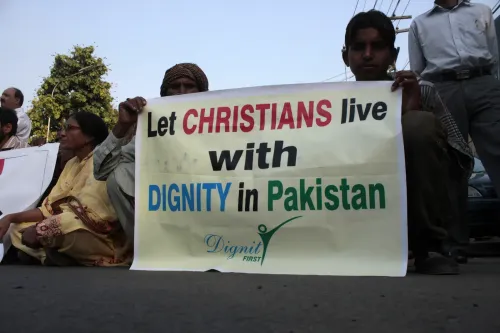
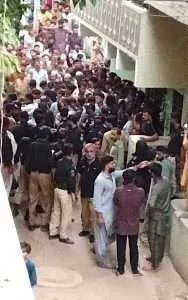
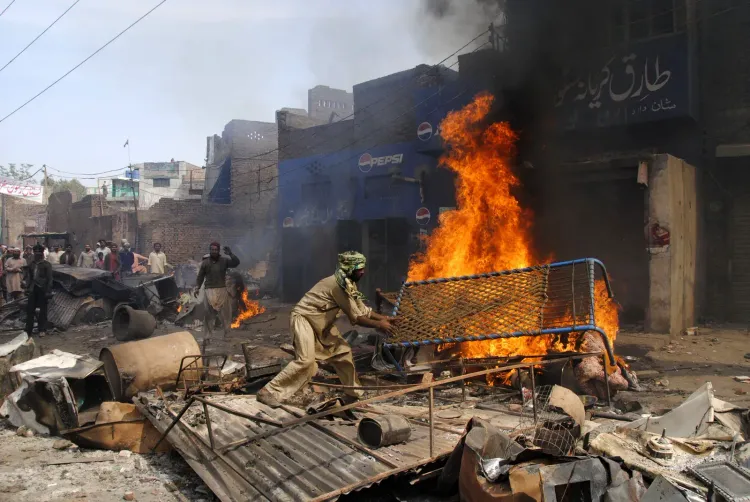
The violence erupted after an announcement made from a mosque reportedly amplified allegations that Masih had desecrated pages of the Quran. The mob descended on his home and shoe factory, setting the business ablaze. Police managed to evacuate nine family members, but Masih was caught by the crowd and beaten with stones, bricks, and sticks. He later succumbed to his injuries. His death triggered widespread protests by Christian communities across Pakistan.
This year, as Pakistan observed Eid al-Adha, his son Sultan Gill was preparing instead for his father's death anniversary. 'Our wounds became fresh during Eid. The cruelty cannot be described in words,' Gill was quoted as saying. He added that two of his children had been forced to abandon their education and take up work to support the family, who now live in a new city and pay rent on a home they never planned to need.
Promised Compensation Never Arrived
Sultan Gill said police had assured the family they would receive PKR 1.2 million as compensation for damage to the factory — an amount he described as a fraction of its actual worth. Despite repeated visits to the district administration and Punjab province's minority affairs minister, the family has received nothing, according to reports.
The property itself remains abandoned. The family has not returned to Sargodha since the attack. 'The confidence is gone. We cannot move around or talk freely,' Gill said.
Arrests Made, Then Released
Sargodha police registered cases against approximately 450 unidentified suspects under anti-terrorism laws, and 25 people were arrested in connection with the attack. However, Sunil Kaleem, Director of the Organisation for Legal Aid, has stated that all of the accused were released within weeks of their arrest — raising serious questions about the sincerity of the prosecution.
Jaranwala: A Parallel Pattern of Impunity
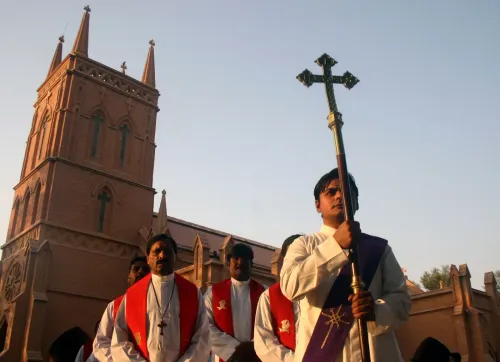
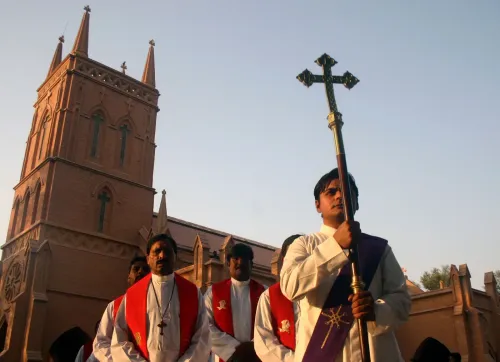
The Sargodha case is not isolated. A church leader has accused Pakistani police of defying a Supreme Court order to arrest all suspects involved in the 2023 attacks on multiple churches and Christian homes in the Jaranwala area of Punjab.
Khalid Mukhtar, whose parish house was among the properties destroyed, said that on 31 March, the Supreme Court directed police to immediately arrest absconding suspects and ordered the Faisalabad anti-terrorism court to conclude trials within six months. Mukhtar, now serving as priest of St Joseph's Church in Faisalabad, said: 'Despite providing police with video and photographic evidence identifying many of those involved, there has been no meaningful progress in arrests. We have met senior police officials several times since the ruling, but their assurances have not translated into concrete action.'
According to reports, of 336 suspects against whom police have submitted charge sheets, only one remains in prison — the rest have either been granted bail or discharged from cases filed by Christians. The Jaranwala violence had originally erupted after two Christians were accused of Quran desecration; a trial court later acquitted both men, finding they had been falsely implicated following a personal dispute.
A Systemic Crisis for Pakistan's Christians
Taken together, the Sargodha and Jaranwala cases point to a pattern critics describe as structural impunity — where mob violence against religious minorities is followed by nominal arrests, swift releases, and stalled trials. Human rights advocates argue that Pakistan's blasphemy laws, as currently applied, create conditions in which unverified allegations can trigger lethal mob action with little legal consequence. How the Pakistani state responds to both the Supreme Court's directives and the families still awaiting relief will be closely watched by international human rights bodies.
Point of View
Read together, are not anomalies — they are a pattern. Mob violence, token arrests, swift releases, and stalled trials have followed each blasphemy-linked attack on Pakistani Christians with near-clockwork consistency. What makes the current moment significant is that the Supreme Court has now directly ordered arrests and set a trial deadline, yet police inaction continues. If the Pakistani state cannot enforce its own apex court's directives on minority protection, the credibility of every institutional assurance to international human rights bodies is in question. The real test is not whether Pakistan condemns mob violence in press statements — it is whether a single conviction follows.
NationPress
24 Sept 2026
Frequently Asked Questions
Who was Nazir (Lazar) Masih and how did he die?
Nazir (Lazar) Masih was a 73-year-old Pakistani Christian from Sargodha, Punjab, who was beaten to death in 2024 by a mob of approximately 2,000 people following allegations that he had desecrated pages of the Quran. The mob attacked his home and shoe factory after an announcement from a mosque reportedly amplified the allegations; police evacuated his family but Masih was caught and fatally beaten with stones, bricks, and sticks.
What happened to those arrested for the Sargodha mob killing?
Sargodha police registered cases against approximately 450 unidentified suspects and arrested 25 people under anti-terrorism laws. However, according to Sunil Kaleem, Director of the Organisation for Legal Aid, all 25 arrested individuals were released within weeks, leaving the family without any legal redress.
Has the family received any compensation?
No. Police reportedly assured the family of PKR 1.2 million in compensation for damage to the factory — an amount Sultan Gill described as far below the property's actual value. Despite repeated visits to the district administration and Punjab's minority affairs minister, the family has received nothing, and their Sargodha property remains abandoned.
What is the Jaranwala church attack case and where does it stand?
The Jaranwala attacks occurred in 2023, when mobs targeted multiple churches and Christian homes in Punjab after two Christians were accused of Quran desecration — accusations a trial court later found to be false and motivated by a personal dispute. The Supreme Court on 31 March ordered police to arrest absconding suspects and directed the Faisalabad anti-terrorism court to conclude trials within six months, but as of the latest reports only one of 336 charge-sheeted suspects remains in prison.
Why do blasphemy-related mob attacks persist in Pakistan?
Critics and human rights advocates argue that Pakistan's blasphemy laws, as currently applied, allow unverified allegations to trigger lethal mob violence with little legal consequence, because prosecutions routinely stall and accused attackers are released on bail or discharged. The pattern seen in both Sargodha and Jaranwala — nominal arrests followed by swift releases — is cited as evidence of structural impunity that emboldens future mob action.