24 Christian families flee Pakistan's Punjab over blasphemy accusations against US-based pastor
Synopsis
More than 24 Christian families were driven from their homes in Pakistan's Punjab by loudspeaker announcements alone — no arrest, no formal charge, just an accusation. That the community could only return after the accused's relatives issued a public apology underscores how Pakistan's blasphemy ecosystem operates well outside any courtroom, with mob pressure doing what law enforcement will not check.
Key Takeaways
More than 24 Christian families fled Jhulan village , Gujranwala, Pakistan, on 3 July 2025 after mosque loudspeakers broadcast blasphemy accusations against US-based Pastor Sajeel Robin .
Police advised Christians to leave as a precaution; Robin's father Robin Masih and uncle Shamaun Masih were taken into protective custody.
Families returned only after Masih and Shamaun issued an unconditional public apology and local clerics signed a 'pardon' statement.
Amir Peter , 60 , died in a Lahore prison on 1 July 2025 while awaiting trial on a blasphemy charge, having been denied adequate medical care.
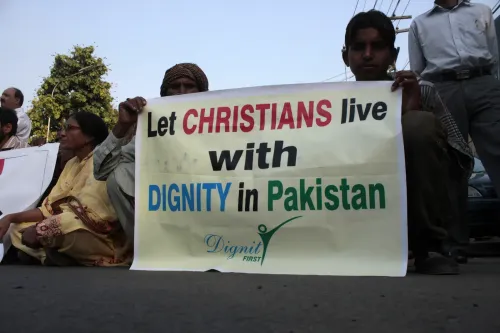
Rights advocates say both cases reflect the systemic misuse of Pakistan's blasphemy laws against religious minorities.
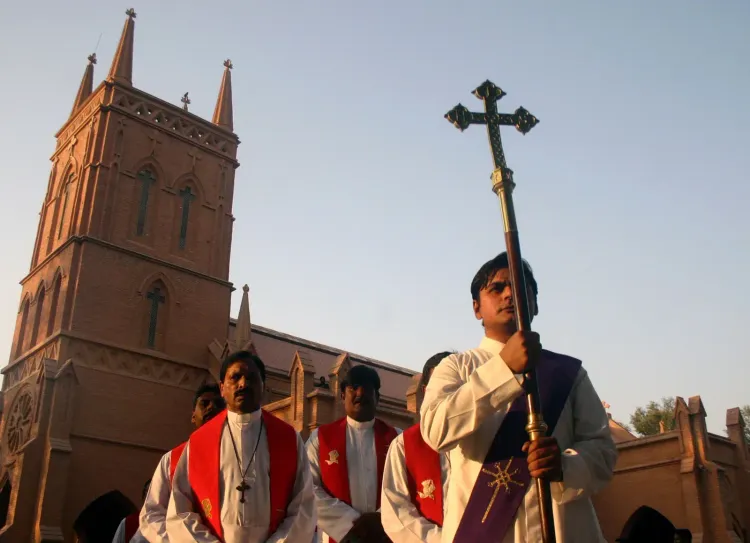
More than 24 Christian families were forced to abandon their homes in Jhulan village, Gujranwala division, Punjab province, Pakistan, after blasphemy allegations against a US-based pastor triggered fears of mob violence on 3 July 2025. The incident has drawn renewed attention to the dangers faced by religious minorities under Pakistan's blasphemy laws.
How the Crisis Unfolded
According to human rights advocate Joseph Nayyar, tensions ignited after mosque loudspeakers in Jhulan village broadcast announcements accusing Pastor Sajeel Robin — a native of the village now settled in the United States — of sharing videos on social media deemed offensive to Islam and the Prophet Muhammad. Nayyar said Robin 'frequently posts videos featuring religious debates with Muslims and discussions on Islam.'
The immediate trigger, Nayyar explained, was that Robin's uncle, Shamaun Masih, and younger brother, Nabeel Robin, who still reside in the village, reportedly shared some of those videos in WhatsApp groups. 'After local clerics became aware of the content, they began making announcements from mosque loudspeakers calling on people to act against what they described as blasphemous content,' he said.
Police Advice and Mass Departure
Jhulan village is home to approximately 35 to 40 Christian families. Following the mosque announcements, police advised the community to vacate their homes as a precautionary measure against possible violence. The majority of families fled with only the belongings they could carry at short notice.
Police took Pastor Sajeel's father, Robin Masih, and his maternal uncle, Shamaun Masih, into protective custody. His brother, Nabeel Robin, went into hiding to avoid arrest, according to Nayyar.
Apology and Return
The situation de-escalated after local clerics and Muslim community leaders submitted a signed statement to police declaring that they were 'pardoning' Robin and Shamaun Masih, following the two men's unconditional public apology and their formal distancing from Pastor Sajeel Robin's online content. After the agreement was reached, Christian families were able to return to their homes in the village.
Amir Peter's Death Deepens Concerns
The Jhulan incident comes against a backdrop of deepening alarm over Pakistan's blasphemy legislation. Last week, the Christian community in Lahore mourned the death of Amir Peter, 60, brother of Capuchin priest Fr. Henry Paul, who died in prison on 1 July 2025 while awaiting trial on a blasphemy charge.
Peter had been arrested on 19 July 2025 after local businessmen allegedly filed a false blasphemy complaint against him. Despite a deteriorating physical and mental condition, he remained in custody. The Capuchin Friars in Lahore and the organisation Christians True Spirit had filed a petition seeking his release on medical grounds, but he died before the court could rule on it.
Fr. Qaisar Feroz, OFM Cap, spokesperson for the Catholic Bishops' Conference of Pakistan, said: 'The Catholic community mourns the loss of a man whose life was tragically cut short by a flawed legal process.' He alleged that authorities ignored Peter's condition and denied him the urgent medical care he required.
Pattern of Minority Persecution
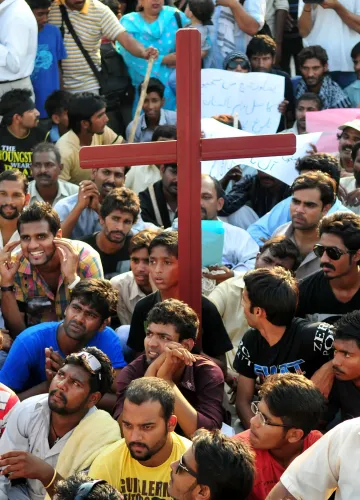
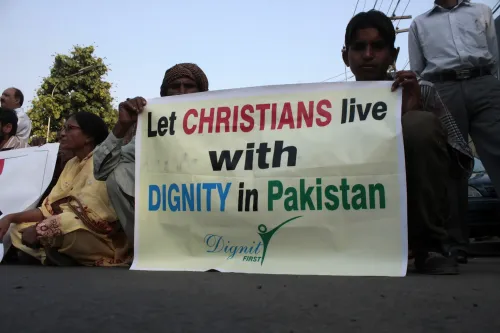
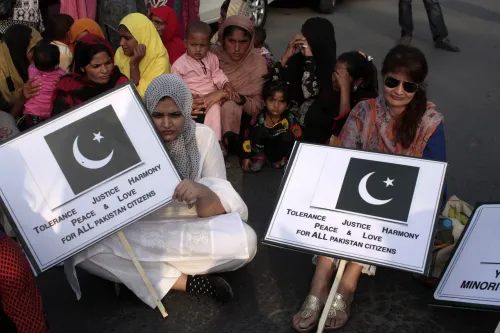
Critics argue that Pakistan's blasphemy laws are routinely weaponised against religious minorities, with accusations often stemming from personal disputes rather than genuine religious grievance. The Jhulan episode — where families were displaced by loudspeaker announcements alone, without any formal charge — illustrates how the mere allegation of blasphemy can upend entire communities. Rights groups have long called for legislative reform, so far without success. With two high-profile cases surfacing within days of each other, pressure on Pakistani authorities to address systemic misuse of these laws is mounting.
Point of View
Not legal process. The fact that displaced families could only return after a public apology, not after any judicial finding, reveals who actually arbitrates blasphemy in Pakistan. Reform calls have persisted for decades; the political will to act has not. Until the law is amended to criminalise false accusations with the same severity as the alleged offence, minorities will remain hostage to the loudest voice at the mosque microphone.
NationPress
9 Oct 2026
Frequently Asked Questions
Why did Christian families flee Jhulan village in Pakistan?
Over 24 Christian families fled Jhulan village in Gujranwala, Punjab, on 3 July 2025 after mosque loudspeakers broadcast accusations that US-based Pastor Sajeel Robin had shared videos deemed blasphemous. Police advised the community to leave as a precaution against potential mob violence.
Who is Pastor Sajeel Robin and what is he accused of?
Pastor Sajeel Robin is a native of Jhulan village who is now settled in the United States. He is accused of sharing videos on social media featuring religious debates with Muslims and discussions on Islam that local clerics in Pakistan deemed offensive to Islam and the Prophet Muhammad. No formal charge has been reported against him in Pakistan.
How was the situation in Jhulan village resolved?
The crisis ended after Pastor Sajeel Robin's uncle Shamaun Masih and his father Robin Masih issued an unconditional public apology and formally distanced themselves from Robin's online content. Local clerics and Muslim community leaders then submitted a signed 'pardon' statement to police, after which Christian families were allowed to return home.
Who was Amir Peter and how did he die?
Amir Peter, 60, was the brother of Capuchin priest Fr. Henry Paul and a member of Pakistan's Christian community in Lahore. He died in prison on 1 July 2025 while awaiting trial on a blasphemy charge, having been arrested on 19 July 2025 following an allegedly false complaint by local businessmen. He was reportedly denied adequate medical care despite a deteriorating condition.
What do these incidents reveal about Pakistan's blasphemy laws?
Rights advocates argue that both cases illustrate the systemic misuse of Pakistan's blasphemy legislation against religious minorities, where accusations — even unverified ones — can displace entire communities or result in prolonged detention without timely trial. Critics have long called for reforms that would penalise false blasphemy complaints, but no legislative changes have been enacted.