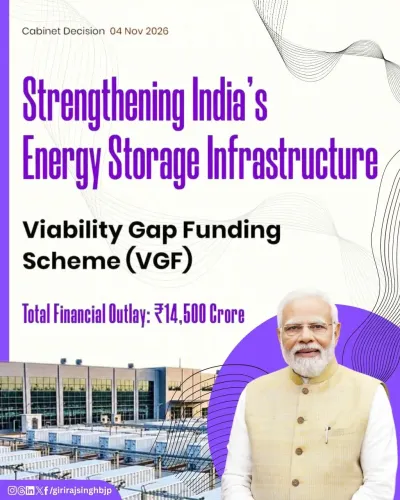
Cabinet Clears ₹14,500 Cr VGF for 92 GWh Grid Storage
Synopsis
The Union Cabinet has approved ₹14,500 crore in Viability Gap Funding to build 92 GWh of grid-scale energy storage, targeting greater renewable integration, grid stability, and domestic battery manufacturing as India pushes toward its 500 GW clean-energy goal by 2030.
Key Takeaways
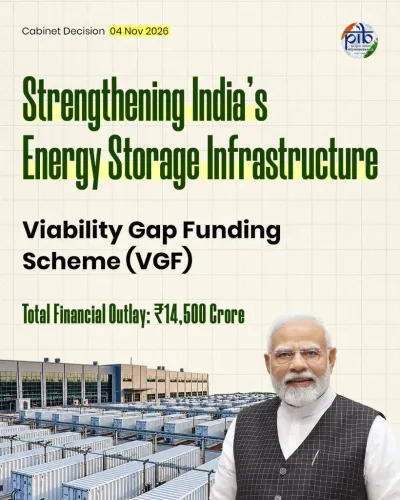
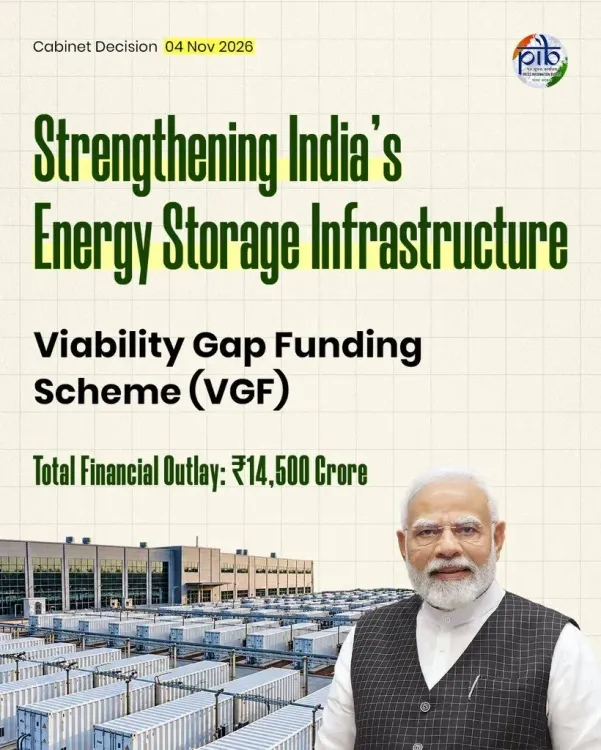
The Union Cabinet , chaired by PM Narendra Modi , approved ₹14,500 crore in Viability Gap Funding on 4 November 2026 .
The funding targets 92 GWh of new grid-scale energy storage capacity across India.
Goals include deeper renewable energy integration, stronger grid stability, and reliable power supply.
Boosting domestic battery manufacturing is an explicit policy objective, aiming to reduce import dependence.
The VGF mechanism bridges the commercial viability gap for large-scale storage projects that the private sector would not finance alone.
The move supports India's Panchamrit commitment of 500 GW non-fossil fuel capacity by 2030 , made at COP26.
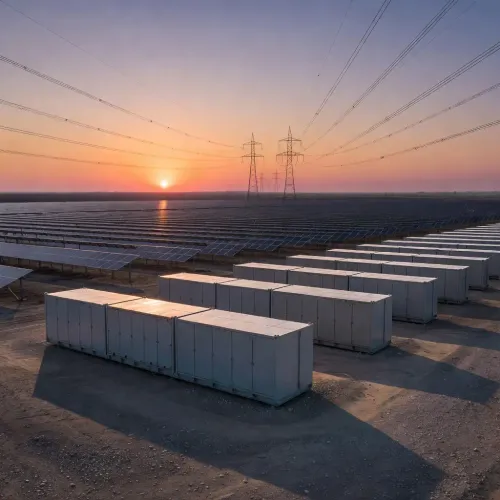
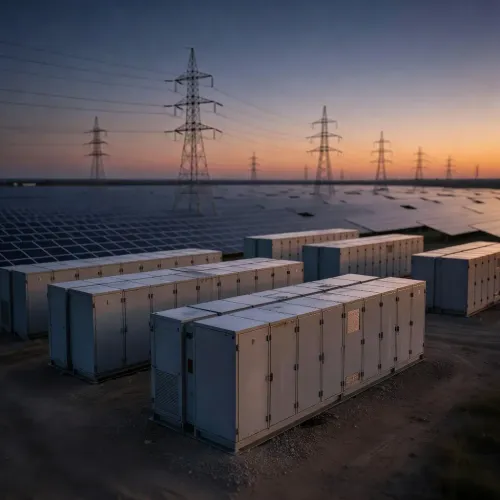
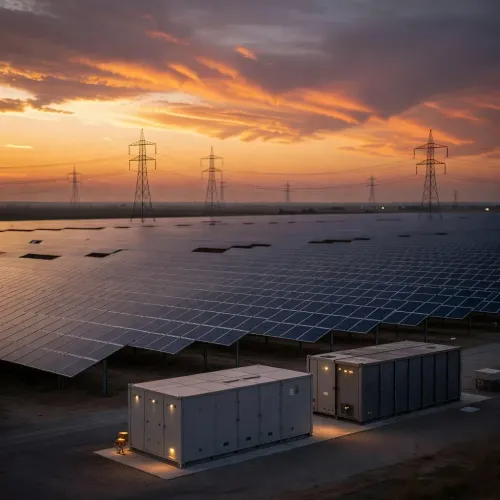
India's renewable energy drive just got a hard-infrastructure backbone. The Union Cabinet, chaired by Prime Minister Narendra Modi, has approved ₹14,500 crore in Viability Gap Funding (VGF) to build 92 GWh of grid-scale energy storage capacity — a move that directly tackles the single biggest constraint on India's clean-power ambitions: keeping the lights on when the sun sets and the wind stills.
Union Education Minister Dharmendra Pradhan, sharing the cabinet decision on Wednesday, 4 November 2026, called it 'a significant push to India's renewable energy ambitions and energy security,' flagging four simultaneous goals: deeper renewable integration, stronger grid stability, reliable power supply, and a boost to domestic battery manufacturing.Why 92 GWh matters for India's 500 GW target
India committed at COP26 in 2021 to its 'Panchamrit' strategy — including 500 GW of non-fossil fuel capacity by 2030. Solar and wind can generate that power; storing it is the harder problem. Grid-scale batteries and pumped-storage systems smooth out the peaks and troughs that make renewable-heavy grids volatile. At 92 GWh, this approved tranche of storage represents a substantial addition to the country's ability to absorb and despatch clean electricity on demand, reducing the grid operator's reliance on coal-fired 'balancing' power.
VGF: the tool that makes unviable projects viable
Viability Gap Funding is the government's surgical instrument for infrastructure that is economically essential but commercially marginal. The Centre provides an upfront capital grant — in this case spread across the ₹14,500 crore envelope — that bridges the gap between what developers can recover from the market and what a project actually costs to build. The mechanism has previously anchored highways, airports, and solar parks that the private sector alone would not have financed at scale or speed.
Applying it to grid-scale storage sends an unambiguous price signal: the government will underwrite the risk so that developers, utilities, and battery manufacturers can commit capital. That matters especially because large-format battery storage — predominantly lithium-ion at present — still carries high upfront costs in the Indian market, much of it tied to imported cells.
Domestic battery manufacturing in the crosshairs
The Cabinet approval explicitly names 'boosting domestic battery manufacturing' as a co-objective, not an afterthought. India has long flagged import dependence on cells and modules as a strategic vulnerability — an energy-security mirror image of its earlier dependence on imported crude. By creating guaranteed demand through the VGF-backed storage pipeline, the policy is designed to give domestic manufacturers the volume certainty they need to invest in gigafactory-scale production. The pattern echoes the Production-Linked Incentive playbook used in solar modules and advanced chemistry cells, now reinforced with a demand-pull instrument.
What comes next: tenders, timelines, and the grid
The approval unlocks the envelope; the real test is execution. Watchers will track the speed at which the relevant ministries issue tenders under the VGF window, the competitiveness of bids, and whether awarded projects translate into commissioned capacity on the timelines the 2030 clean-energy targets demand. Each gigawatt-hour of commissioned storage eases the pressure on fossil fuel peakers — and each delay keeps that pressure alive.
India's energy transition has rarely lacked for ambition. With ₹14,500 crore now formally committed to solving storage at scale, the question shifts from 'whether' to 'how fast.'
Point of View
500 crore VGF approval is a structurally significant step in India's energy transition — not because storage is a new idea, but because demand-pull funding at this scale finally addresses the commercial barrier that has kept grid-scale projects on the drawing board. By pairing storage deployment with an explicit domestic manufacturing mandate, the Cabinet is effectively running two parallel bets: decarbonising the grid and seeding an indigenous battery industry to reduce the same import vulnerability that once plagued India's oil dependency. The real test of ambition, however, lies in procurement speed — India has a consistent pattern of bold approvals followed by slow tendering, and the 2030 clean-energy clock is already ticking.
NationPress
4 Nov 2026
Frequently Asked Questions
What is the ₹14,500 crore Cabinet approval for energy storage?
The Union Cabinet approved ₹14,500 crore in Viability Gap Funding to develop 92 GWh of grid-scale energy storage capacity in India, aimed at enabling greater integration of renewable energy, improving grid stability, and boosting domestic battery manufacturing.
What is Viability Gap Funding and how does it work?
Viability Gap Funding is a central government mechanism that provides upfront capital grants to infrastructure projects that are economically necessary but not commercially self-sustaining. It bridges the gap between market revenues and actual project costs, reducing risk for private developers.
Why does India need grid-scale energy storage?
Solar and wind power are intermittent — they generate electricity only when the sun shines or wind blows. Grid-scale storage systems like large batteries store surplus clean energy and release it on demand, stabilising the grid and reducing dependence on coal-fired backup power.
How does this relate to India's 2030 renewable energy target?
India committed at COP26 in 2021 to achieving 500 GW of non-fossil fuel capacity by 2030 under its Panchamrit strategy. Grid-scale storage is essential to managing the variability of that large renewable capacity, making this VGF approval a direct enabler of that target.
What impact will this have on domestic battery manufacturing in India?
By guaranteeing large-scale demand for energy storage through VGF-backed projects, the policy gives domestic manufacturers the volume certainty needed to invest in large-scale battery production, reducing India's dependence on imported cells and components.