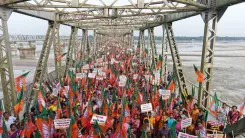
Giriraj Singh backs Nadi Sanjivani for Bihar rivers and roads
Synopsis
Union Textiles Minister Giriraj Singh on 4 November 2026 endorsed the Nadi Sanjivani scheme for Bihar, an initiative that uses scientific river desilting to simultaneously rejuvenate waterways and supply material for road construction, crediting PM Modi and Minister Nitin Gadkari.
Key Takeaways
Nadi Sanjivani is a scientific desilting initiative that simultaneously addresses river rejuvenation and supplies raw material for road construction in Bihar .
The scheme is backed by Union Road Transport Minister Nitin Gadkari , who has long advocated using dredged river silt in highway embankments.
It builds on the policy lineage of the Namami Gange programme, launched in 2014 , which included desilting as a core component.
The model aligns with Bharatmala -linked road construction, using dredged silt to reduce dependence on conventional quarried aggregates.
Bihar 's silt-heavy rivers — including the Kosi, Gandak, and Bagmati — make the state a high-impact candidate for the scheme, given chronic flooding and road disruption.
Specific river stretches and national highway project timelines for Bihar's rollout are yet to be formally announced.
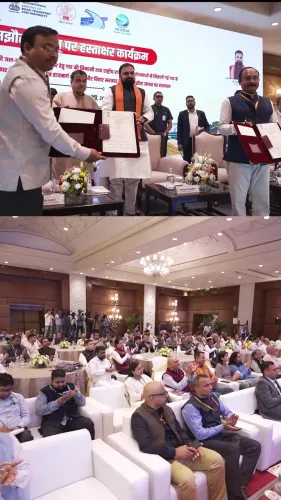
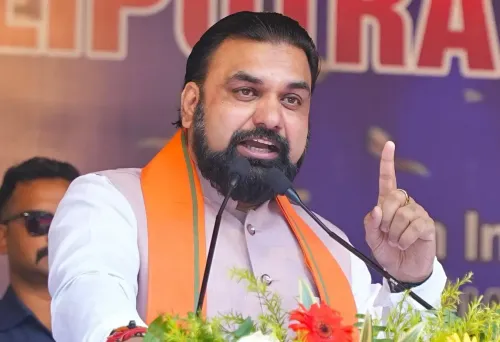
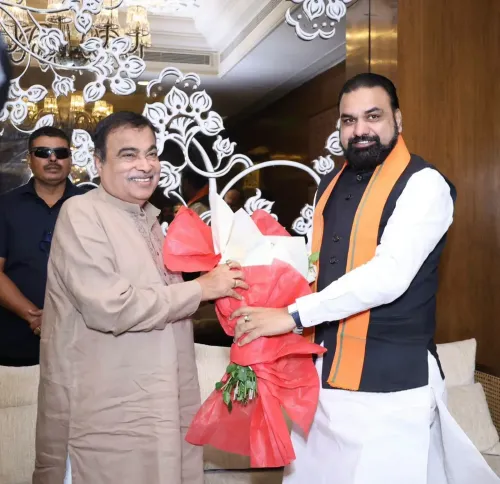
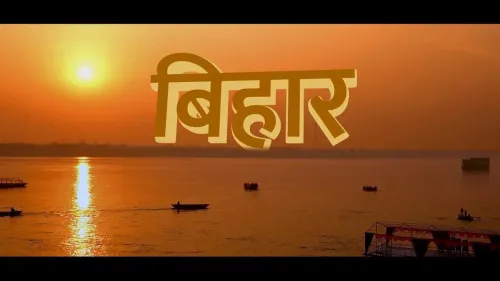
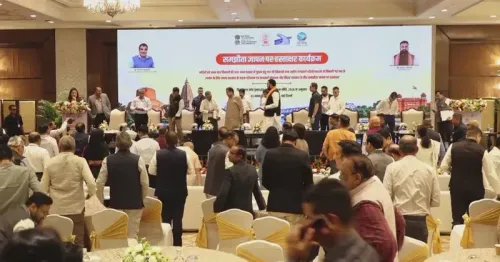
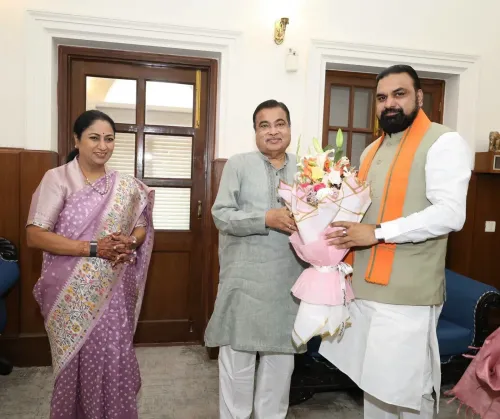
A river breathes again — and a road gets built from the sediment pulled out of it. That is the twin promise at the heart of Nadi Sanjivani, the scientific desilting initiative that Union Textiles Minister Giriraj Singh championed on Wednesday, 4 November 2026, crediting Prime Minister Narendra Modi's leadership and the vision of Union Road Transport and Highways Minister Nitin Gadkari for bringing the scheme to Bihar.
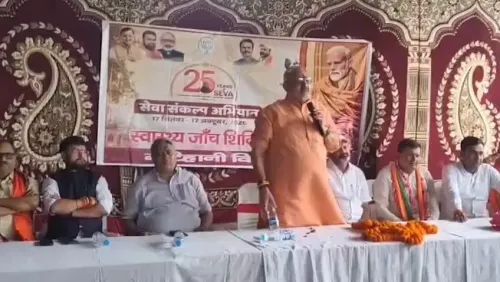
Posting in Hindi on X, Singh wrote: 'नदी संजीवनी जैसी अभिनव पहल बिहार को मिल रही है। यह नदियों के पुनर्जीवन और सड़क निर्माण, दोनों के लिए बेहद लाभकारी साबित होगी।' — 'An innovative initiative like Nadi Sanjivani is coming to Bihar. It will prove extremely beneficial for both river rejuvenation and road construction.' He also credited Bihar's Chief Minister for his efforts in securing the scheme for the state.
What Nadi Sanjivani actually does
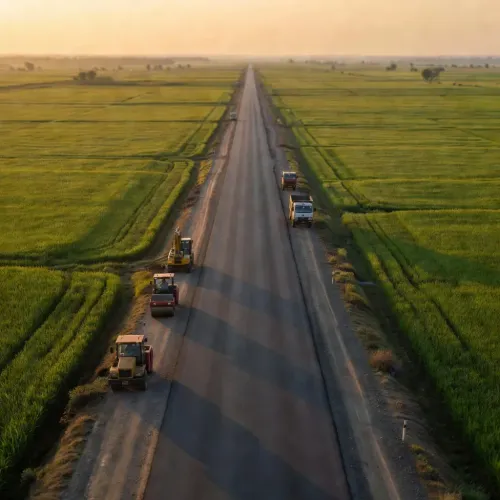
Nadi Sanjivani is built on a deceptively elegant logic: rivers silted over decades lose depth, flood more easily, and carry less water. Scientific desilting restores that depth — and the silt dredged out becomes raw material for highway embankments and road beds nearby. Two problems, one operation. The model dovetails neatly with Gadkari's well-documented push to source road-construction material from river beds, reducing the burden on quarries and cutting logistics costs on highway corridors.
The broader policy lineage runs back to the Namami Gange programme, launched in 2014, which identified desilting as one of the foundational components of river rejuvenation. What Nadi Sanjivani appears to do is operationalise that component at scale — linking it directly to road-construction demand under the Bharatmala highway network, so that the economics of dredging are underwritten by the construction pipeline rather than treated as a standalone environmental cost.
Why Bihar is a natural fit for this model
Bihar sits astride some of India's most silt-laden river systems. The Ganga, Kosi, Gandak, and Bagmati carry enormous sediment loads from the Himalayan foothills, depositing them across the floodplains year after year. Flooding is a perennial crisis for millions of Bihar residents — and the state's road infrastructure, particularly in northern districts, is chronically disrupted by it. A scheme that addresses river health and road quality simultaneously carries concrete, life-affecting stakes for communities that have lived with both problems for generations.
Giriraj Singh, himself a Lok Sabha MP from Begusarai, Bihar, framed the initiative as one dimension of a larger development arc under Modi's government, using the hashtags #नदीसंजीवनी, #NadiSanjivani, and #ScientificDesilting to signal an organised national rollout rather than a one-off local project.
Gadkari's river-silt roadbuilding push
Nitin Gadkari has been among the most vocal advocates for integrating river management with highway construction, arguing that dredged material can substitute for conventional aggregates in road embankments — lowering costs and speeding up project timelines. His ministry's experiments with this model in other states form the template Nadi Sanjivani is now replicating in Bihar. The specific river stretches and national highway project timelines for the Bihar rollout are yet to be formally announced.
When a minister frames a river-revival scheme as a development milestone, the real test is in the kilometres dredged and the flood-maps redrawn — Bihar's rivers, and its road network, are waiting to find out.
Point of View
The BJP is positioning a single scheme as a double win ahead of any state-level electoral calculus. The Namami Gange lineage also provides a decade-long continuity narrative — desilting as the logical next chapter after the river-cleaning push of 2014. Whether the scheme delivers at the scale its advocates promise will depend entirely on the speed and reach of on-ground implementation.
NationPress
5 Nov 2026
Frequently Asked Questions
What is the Nadi Sanjivani scheme?
Nadi Sanjivani is a scientific river desilting initiative that aims to rejuvenate rivers by removing accumulated silt, while simultaneously using that dredged material as construction aggregate for road embankments and highway projects nearby.
How does river silt help in road construction?
Dredged river silt can substitute for quarried aggregates in road embankments, reducing material and logistics costs for highway construction — an approach championed by Union Minister Nitin Gadkari across multiple states.
What is the connection between Nadi Sanjivani and Namami Gange?
Namami Gange, launched in 2014, identified desilting as a key component of river rejuvenation. Nadi Sanjivani operationalises that component at scale, linking it to road-construction demand under the Bharatmala programme.
Why is Bihar important for river desilting?
Bihar's major rivers — including the Kosi, Gandak, Ganga, and Bagmati — carry extremely high sediment loads from the Himalayas, causing chronic flooding that disrupts lives and infrastructure, making it a high-priority candidate for scientific desilting.
What did Giriraj Singh say about Nadi Sanjivani?
Union Textiles Minister Giriraj Singh posted on 4 November 2026 that Nadi Sanjivani is coming to Bihar under PM Modi's leadership and Minister Nitin Gadkari's initiative, calling it extremely beneficial for both river rejuvenation and road construction.