Gadkari Signs MoU With Bihar to Desilt Water Bodies for Highways
Synopsis
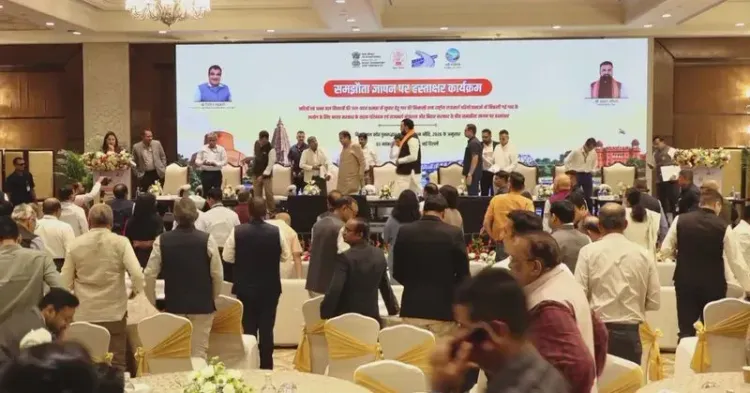
Union Minister Nitin Gadkari signed an MoU with the Bihar government on 3 November 2026 to scientifically desilt Bihar's water bodies and channel suitable excavated silt into national highway projects — linking flood management with sustainable road construction.
Key Takeaways
MoU signed on 3 November 2026 in New Delhi between MoRT&H and the Government of Bihar .
The agreement covers scientific desilting of Bihar's water bodies and reuse of suitable excavated silt in national highway projects.
Bihar's Gangetic plains suffer chronic annual siltation due to flooding from rivers including the Kosi, Gandak, and Bagmati.
MoRT&H has promoted alternative construction materials — fly ash, recycled plastic — in highways since 2015 , and this MoU extends that circular-economy approach.
The deal could reduce dependence on virgin soil extraction for highway fill while improving water-body storage capacity in Bihar.
Similar MoUs with other silt-affected states remain a key indicator of how far this model will scale.
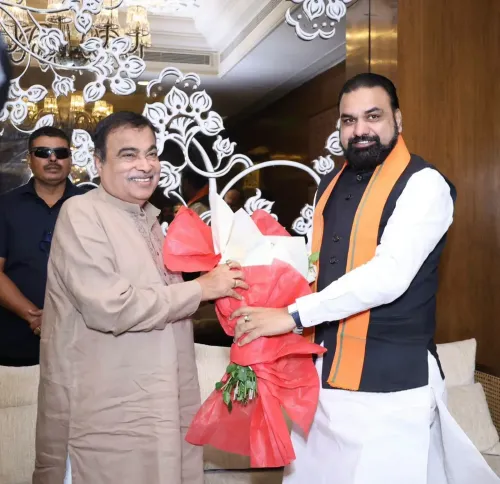
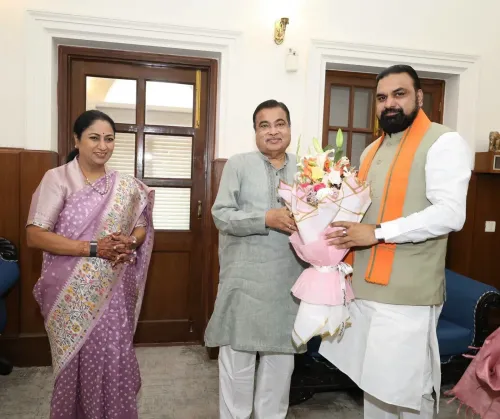
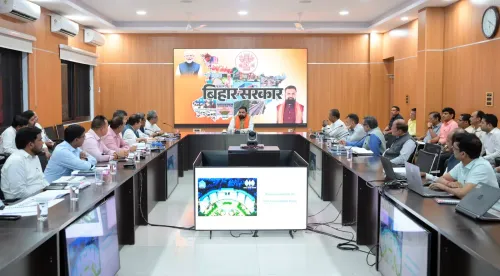
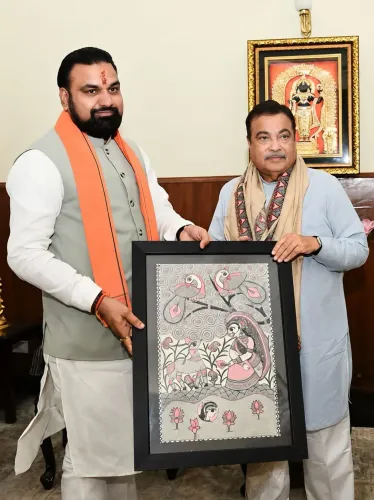
A flood-prone state's silted lakes and rivers could soon become the raw material for its own roads. On Tuesday, 3 November 2026, Union Road Transport and Highways Minister Nitin Gadkari presided over the signing of a landmark MoU between the Ministry of Road Transport and Highways (MoRT&H) and the Government of Bihar in New Delhi — a deal that ties Bihar's chronic water-body siltation problem directly to the material demands of national highway construction.
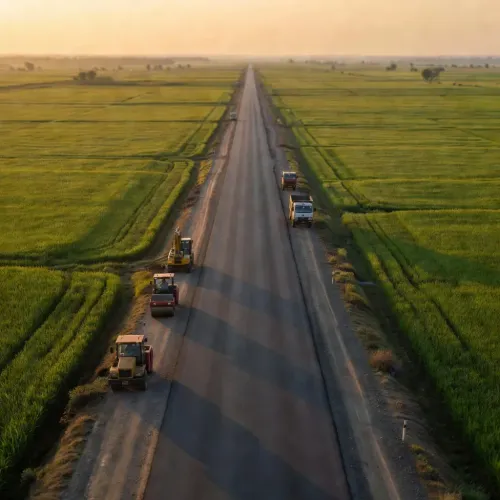
The agreement, titled 'Scientific Desilting of Water Bodies in Bihar and Utilization of Suitable Excavated Silt in National Highway Projects', is precisely what its name suggests: excavate the silt blocking Bihar's ponds, lakes, and rivers, test it for suitability, and channel the usable material into highway embankments and road-bed construction. Two persistent headaches — degraded water bodies and the appetite for construction fill — solved with a single stroke.
Bihar's Silt Problem Meets the Highway Machine
Bihar sits on the vast alluvial plains of the Ganga basin. Seasonal flooding from rivers like the Kosi, Gandak, and Bagmati deposits enormous quantities of silt into local water bodies every year, reducing their storage capacity and worsening downstream flood intensity. The scientific desilting component of this MoU targets exactly that cycle: systematic, technically supervised excavation rather than ad-hoc dredging. For MoRT&H, the incentive is equally clear. National highway projects consume massive volumes of earthen fill. Sourcing that material from existing virgin land triggers soil extraction, farmer disputes, and environmental clearance delays. Excavated silt — already displaced, already stockpiled — offers a ready, low-conflict alternative if quality tests confirm its structural adequacy.Circular Economy on the Highway Sector's Agenda
This is not MoRT&H's first experiment with alternative construction materials. Since 2015, the ministry has issued guidelines encouraging the use of fly ash, recycled plastic, and other industrial by-products in highway construction — a quiet but steady pivot toward circular-economy principles inside one of India's most capital-intensive infrastructure programmes. The Bihar MoU extends that logic to agricultural and hydrological waste. It also deepens the pattern of centre-state agreements that simultaneously serve flood management and road-building goals — a model that could be replicated in other silt-heavy states across the Gangetic plain. Bihar residents stand to gain on both counts: restored water bodies with improved storage capacity, and faster progress on national highway stretches that currently face material-supply bottlenecks. Highway contractors gain a potentially lower-cost, locally sourced fill material — provided silt quality meets MoRT&H's engineering standards. Whether the project's implementation timelines hold, and whether similar MoUs follow with other states facing chronic siltation, will determine how far this circular model actually travels.Point of View
It reinforces a long-running ministerial brand built on pragmatic, waste-to-resource innovation in infrastructure. The broader significance lies in its replicability: states like Uttar Pradesh, Assam, and West Bengal face structurally identical siltation challenges, and a proven Bihar template could trigger a wave of similar centre-state agreements. The real test, however, is execution — previous MoRT&H circulars on alternative materials have sometimes outpaced actual field adoption by contractors.
NationPress
3 Nov 2026
Frequently Asked Questions
What is the Bihar desilting MoU signed by Nitin Gadkari?
It is a Memorandum of Understanding between MoRT&H and the Government of Bihar to scientifically desilt water bodies in Bihar and use the excavated silt as construction material in national highway projects.
How will desilting water bodies help Bihar's highways?
Excavated silt from Bihar's water bodies can serve as earthen fill for highway embankments and road beds, reducing the need for virgin soil extraction and easing material-supply delays in national highway projects.
When was the MoRT&H Bihar MoU signed?
The MoU was signed on 3 November 2026 at a ceremony in New Delhi presided over by Union Minister Nitin Gadkari.
What is MoRT&H's history with alternative construction materials?
Since 2015 , MoRT&H has issued guidelines promoting the use of fly ash, recycled plastic, and other industrial by-products in highway construction as part of a broader circular-economy approach.
Will other states get similar desilting-highway MoUs?
No similar MoUs have been confirmed yet, but the Bihar agreement is widely seen as a template that could be extended to other silt-affected states in the Gangetic plain.