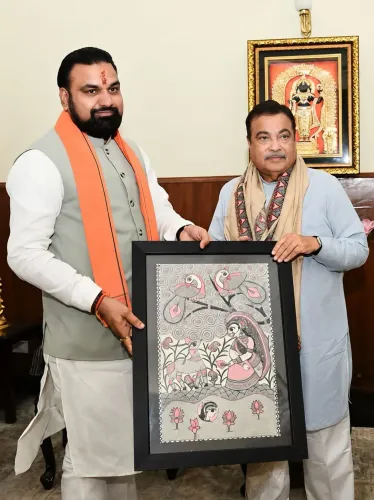
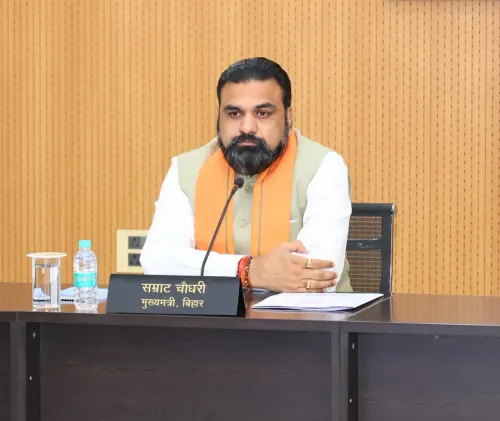
CM Samrat Choudhary Signs MoU With Centre for Bihar River Desilting
Synopsis
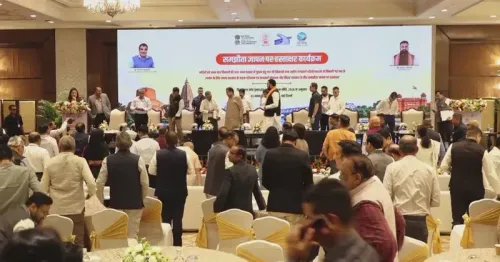
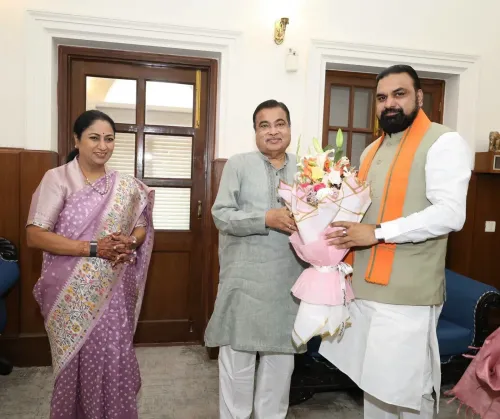
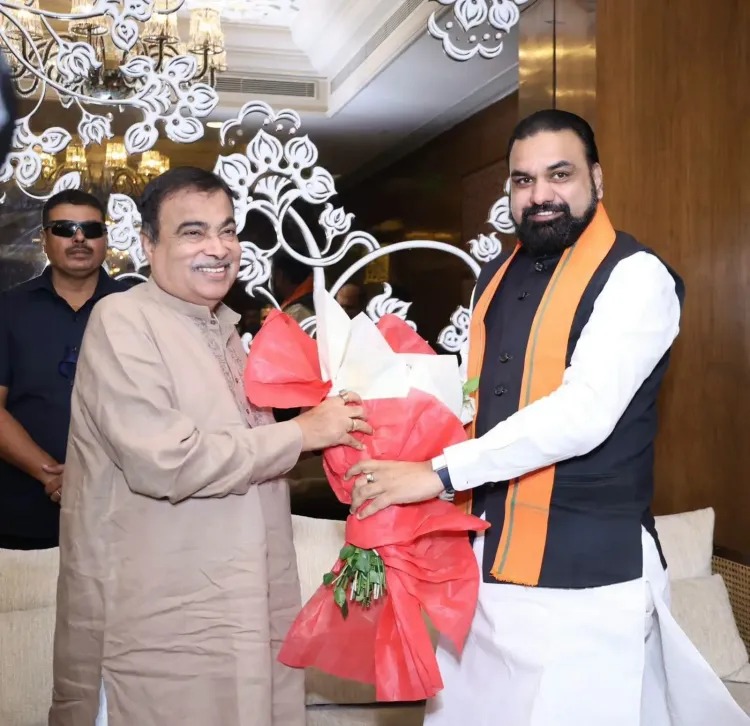
Bihar CM Samrat Choudhary and Union Minister Nitin Gadkari formalised an MoU in New Delhi on 3 November 2026 under the 'Nadi Sanjeevani' initiative, pledging to desilt Bihar's rivers to curb flooding and channel the extracted silt directly into national highway construction.
Key Takeaways
Bihar government and the Union Ministry of Road Transport and Highways signed an MoU in New Delhi on 3 November 2026 .
The deal is anchored in the Nadi Sanjeevani initiative, which targets river desilting to increase water-holding capacity and reduce flood risk.
Extracted silt will be repurposed as construction material for national highway projects in Bihar.
Union Minister Nitin Gadkari was present at the signing, signalling active central ministry support.
The MoU builds on the policy lineage of Namami Gange (2014) and Bharatmala Pariyojana (2015), which promoted river cleaning and alternative road-building materials respectively.
Specific rivers targeted, financial terms, and the implementation timeline have not yet been disclosed publicly.
A river's silt, long seen as a flood hazard choking Bihar's waterways, is about to become the raw material for the state's next national highway. Bihar Chief Minister Samrat Choudhary announced on Tuesday, 3 November 2026, that the Bihar government has signed a Memorandum of Understanding with the Union Ministry of Road Transport and Highways in New Delhi — a deal that ties river rejuvenation directly to road construction in a single, circular loop.
What the 'Nadi Sanjeevani' pact commits both sides to
The agreement, formalised in the presence of Union Minister Nitin Gadkari, centres on the Nadi Sanjeevani (नदी संजीवनी — 'river life-restorer') initiative. Under the scheme, silt will be mechanically dredged from Bihar's rivers to increase their water-holding capacity — a direct intervention against the state's perennial flooding. The extracted silt will not be dumped; it will be routed straight into national highway construction as a construction material.
CM Choudhary framed it in plain terms: rivers get their breath back, and roads get their building blocks. The post declared, 'नदियों का पुनर्जीवन, बिहार का नव निर्माण!' — 'Rejuvenation of rivers, reconstruction of Bihar!'
Bihar's flooding problem and the infrastructure logic behind the fix
Bihar sits in one of the most flood-prone river basins on the subcontinent. The Ganga and its northern tributaries deposit enormous volumes of silt every monsoon, raising riverbeds and reducing the channels' capacity to carry floodwater — a cycle that has displaced communities for decades. Desilting addresses that structural vulnerability at the source rather than waiting for embankments to fail.
The approach is not without precedent at the central level. The Namami Gange programme, launched in 2014, included desilting and river-cleaning components along Ganga basin stretches that pass through Bihar. The Bharatmala Pariyojana, initiated in 2015, explicitly encouraged the use of alternative and locally sourced materials in national highway construction. Today's MoU effectively stitches those two threads together into a single state-level project.
Gadkari's track record on circular infrastructure
Nitin Gadkari has made no secret of his interest in unconventional construction materials — his ministry has previously pushed for the use of fly ash, recycled plastic, and dredged material in road-building. Bihar's silt-to-highway model fits squarely within that philosophy. His presence at the signing signals more than ceremonial endorsement; it suggests active ministry backing for the pilot's rollout.
Flood-affected communities along Bihar's river corridors and highway contractors bidding on upcoming national highway segments in the state are the two groups watching the implementation calendar most closely. The specific rivers targeted for initial desilting pilots and the financial architecture of the MoU have not yet been made public.
If the silt-to-road chain actually scales, Bihar may have quietly demonstrated that the answer to its oldest infrastructure headache was sitting on the riverbed all along.
Point of View
Who faces both a flood-vulnerable electorate and pressure to show developmental momentum, the optics of a Gadkari-endorsed deal in New Delhi serve a dual purpose: policy credibility and political capital. The deeper question is execution — Bihar has a history of ambitious river-management announcements that stall at the pilot stage. If initial desilting sites are identified and material actually moves to highway project sites within a defined window, it could become a replicable model for other flood-prone, highway-hungry states along the Ganga corridor.
NationPress
3 Nov 2026
Frequently Asked Questions
What is the Nadi Sanjeevani initiative in Bihar?
Nadi Sanjeevani is a Bihar government scheme to mechanically desilt rivers in order to increase their water-holding capacity and reduce flooding, with the extracted silt being reused in national highway construction.
What MoU did Bihar sign with the central government on 3 November 2026?
Bihar signed an MoU with the Union Ministry of Road Transport and Highways, formalised in New Delhi in the presence of Union Minister Nitin Gadkari, to carry out river desilting under the Nadi Sanjeevani initiative and channel the silt into highway projects.
How will river silt be used in road construction in Bihar?
Silt dredged from Bihar's rivers under the Nadi Sanjeevani initiative will be supplied as a raw construction material for national highway projects, replacing or supplementing conventional materials.
Why does Bihar need river desilting?
Bihar's rivers, especially the Ganga and its tributaries, accumulate heavy silt deposits every monsoon, raising riverbeds and reducing their capacity to carry floodwater — a primary driver of the state's recurring floods.
What is Nitin Gadkari's role in Bihar's Nadi Sanjeevani MoU?
Union Minister for Road Transport and Highways Nitin Gadkari presided over the MoU signing, lending central government backing to Bihar's plan to use dredged river silt in national highway construction.