CM Siddaramaiah Launches 'Namma Shale' CSR School Adoption Drive
Synopsis
Karnataka CM DK Shivakumar launched 'Namma Shale Namma Javabdarri' on 4 November 2026, directing private schools and corporates to adopt rural government schools via CSR funds, with an initial target of 1,000 pairings and Toyota already funding 23 schools in Ramanagara.
Key Takeaways
1,000 government schools to be paired with private school managements in the first phase, rising to 2,000 under the full plan.
Toyota is funding construction of 23 schools in Ramanagara district at Rs 10–15 crore per school under the new CSR policy.
CSR-funded work is already underway in 30 government schools in Bengaluru South district , with agreements signed for 12 more.
Karnataka's annual corporate CSR pool is approximately Rs 8,800 crore ; CM Shivakumar has flagged fund-diversion abuse to Union Finance Minister Nirmala Sitharaman .
A Rs 2,000 crore World Bank loan is funding Karnataka Public Schools infrastructure upgrades in parallel.
Private schools that develop a government school may add their name to that school's official title, as demonstrated by the Heggannur Government Toyota School branding.
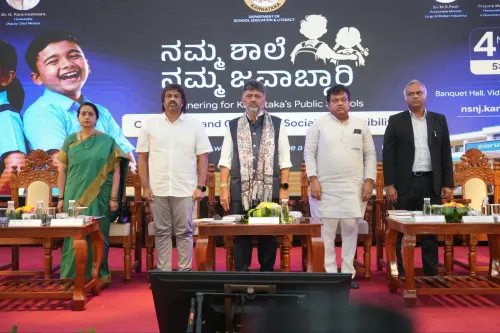
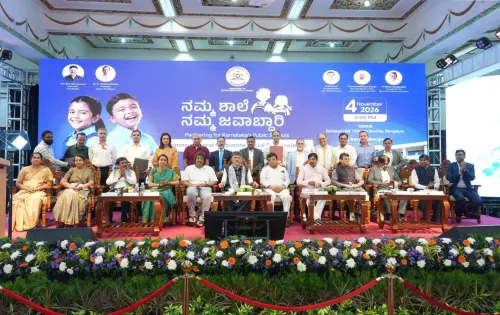
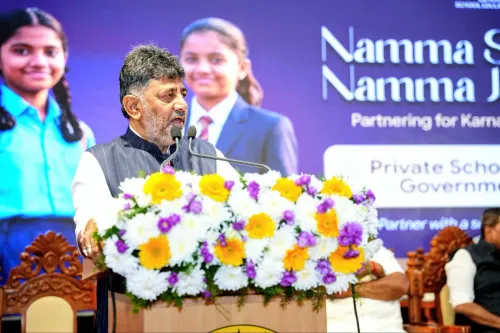
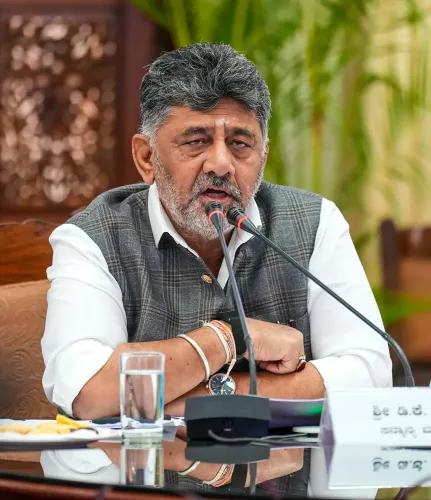
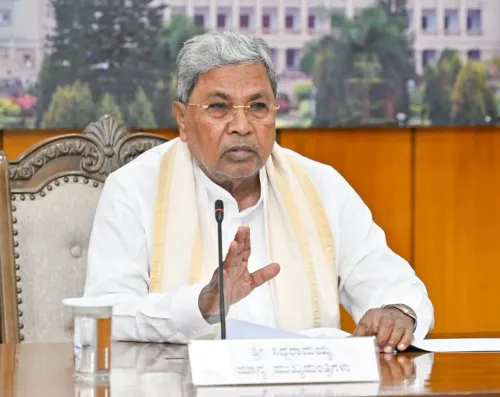
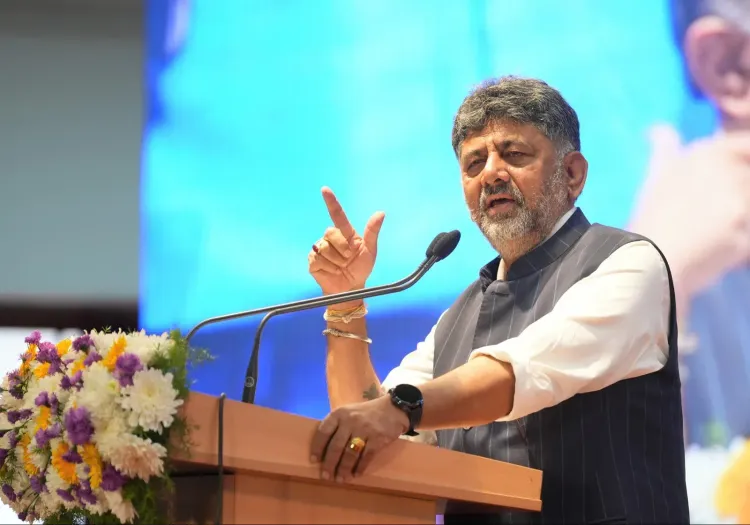
Karnataka's classrooms are about to get new partners — and the government is not waiting for the private sector to volunteer. At a high-profile CSR conclave held at Vidhana Soudha's Banquet Hall on Wednesday, 4 November 2026, Chief Minister D K Shivakumar formally inaugurated the 'Namma Shale Namma Javabdarri' ('Our School Our Responsibility') programme — a sweeping new policy that calls on every private school management and corporate entity in Karnataka to adopt and upgrade rural government schools using CSR funds.
1,000 schools first, 2,000 in sight
The government has set an immediate target of pairing 1,000 government schools with private school managements in the first phase. The longer arc is bigger: the CM announced a vision to link 2,000 government schools with private partners, drawing on the state's 6,000 panchayats divided into three administrative zones. Speaking at the event, he was direct: 'Private school managements must become partners with government schools. One private school can adopt up to 3 government schools.' Results, he said, should be visible within 4 to 5 years.
Toyota's 23-school commitment in Ramanagara
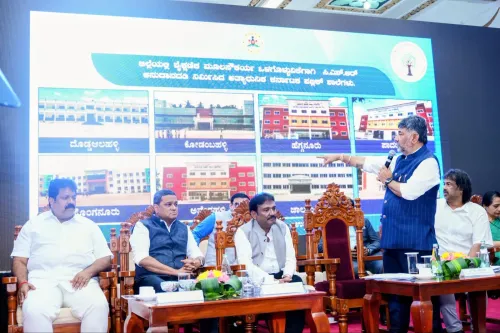
Toyota has emerged as the flagship corporate partner, committing CSR funds to construct 23 schools in Ramanagara district at an investment of Rs 10–15 crore per school, with building plans drawn up by the government itself. In Bengaluru South district, CSR-funded development work has already begun in 30 government schools — work is complete in roughly 10 percent of those, active construction is underway in 8 schools, and agreements are signed for 12 more. The school near the Tamil Nadu border in Heggannur has been rechristened 'Heggannur Government Toyota School' — a naming-rights incentive the government is now offering to all participating corporates and private school managements.
CSR fund leakage: the problem Shivakumar took to Delhi
The CM did not shy away from naming a systemic problem. He told the gathering that some companies register offices in Karnataka, earn profits here, then route their CSR spending to other states — and in some cases recover as much as half the disbursed funds through opaque arrangements. CM Shivakumar said he has personally raised this abuse with Union Finance Minister Nirmala Sitharaman, seeking regulatory curbs to ensure Karnataka-earned CSR money flows back into Karnataka's communities. The state's annual CSR pool, he noted, stands at approximately Rs 8,800 crore — a figure that, if even partially redirected to rural schools, could transform the landscape of public education in the state.
World Bank loan and the Bengaluru congestion dividend
Underpinning the physical infrastructure push is a Rs 2,000 crore World Bank loan already deployed for Karnataka Public Schools (KPS) infrastructure upgrades. The CM framed quality rural education not just as a social good but as an urban-planning solution: 38 of India's 140 international-standard schools are in Karnataka, most of them in Bengaluru, and education migration is a primary driver of the city's overcrowding. If children can access quality schooling in their own villages, he argued, the pressure on Bengaluru eases — a rare moment where equity and urban infrastructure align. His closing appeal was personal: 'You too came from a village. Give something back to your village school.'
Point of View
The government is testing whether regulatory pressure can substitute for the competitive incentives that drive private-sector efficiency. The naming-rights concession to corporates is a clever reputational sweetener, but the CM's own admission of CSR fund diversion — serious enough to warrant a meeting with the Union Finance Minister — signals that the pipeline between policy intent and ground-level spending remains leaky. If the World Bank-funded infrastructure baseline and the private-school mentorship model work in tandem, Karnataka could offer a replicable template for states struggling to improve government-school outcomes without increasing their own fiscal burden.
NationPress
4 Nov 2026
Frequently Asked Questions
What is 'Namma Shale Namma Javabdarri'?
'Namma Shale Namma Javabdarri' means 'Our School Our Responsibility' in Kannada. It is a Karnataka government programme launched on 4 November 2026 that directs private school managements and companies to adopt and develop rural government schools using CSR funds, with an initial target of pairing 1,000 government schools in the first phase.
How many government schools will be linked with private schools under the Karnataka CSR policy?
The government aims to pair 1,000 government schools with private school managements in the first phase, with a longer-term vision of linking 2,000 government schools. Each private school can adopt up to 3 government schools.
What is Toyota doing for Karnataka government schools?
Toyota is funding the construction of 23 government schools in Ramanagara district at an investment of Rs 10–15 crore per school. One school near the Tamil Nadu border has been renamed 'Heggannur Government Toyota School' under the new naming-rights incentive.
What CSR fund misuse did CM Shivakumar raise with Nirmala Sitharaman?
CM Shivakumar told the CSR conclave that some companies register in Karnataka, earn profits here, but spend their CSR funds in other states and sometimes recover up to half the disbursed amount. He said he has personally discussed this problem with Union Finance Minister Nirmala Sitharaman and sought regulatory action.
What is the World Bank loan for Karnataka schools?
The Karnataka government has taken a Rs 2,000 crore loan from the World Bank to upgrade infrastructure in Karnataka Public Schools (KPS), running parallel to the new CSR-based private-school adoption initiative.