CM Siddaramaiah Signs ₹206 Cr CSR Deals for 56 Govt Schools
Synopsis
Chief Minister D.K. Shivakumar signed ₹206.10 crore CSR deals with 15 organisations for 56 government schools at Vidhana Soudha, taking Karnataka's 'Namma Shale Namma Javabdarri' programme's total commitments to ₹355.10 crore across 112 schools in 2026.
Key Takeaways
₹206.10 crore in CSR agreements were signed with 15 organisations for the development of 56 government schools at a single event on 4 November 2026 .
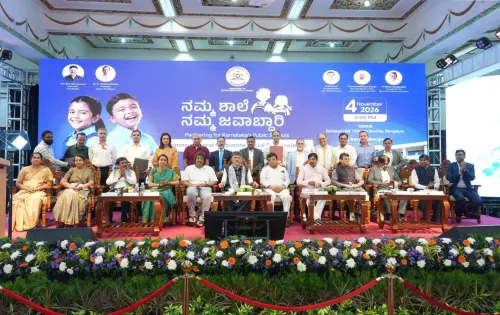
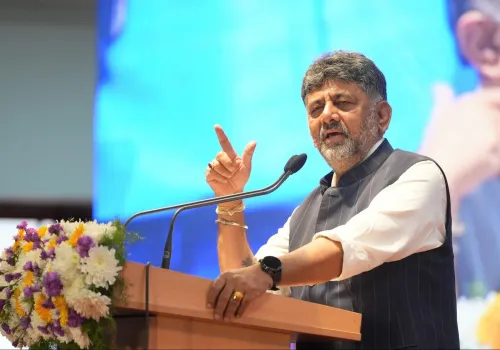
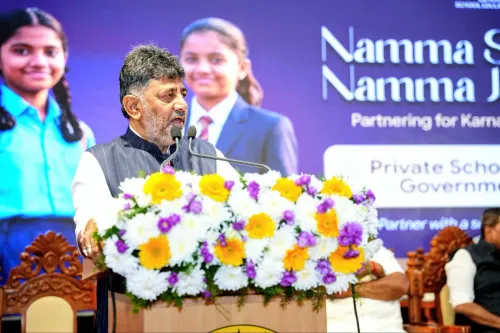
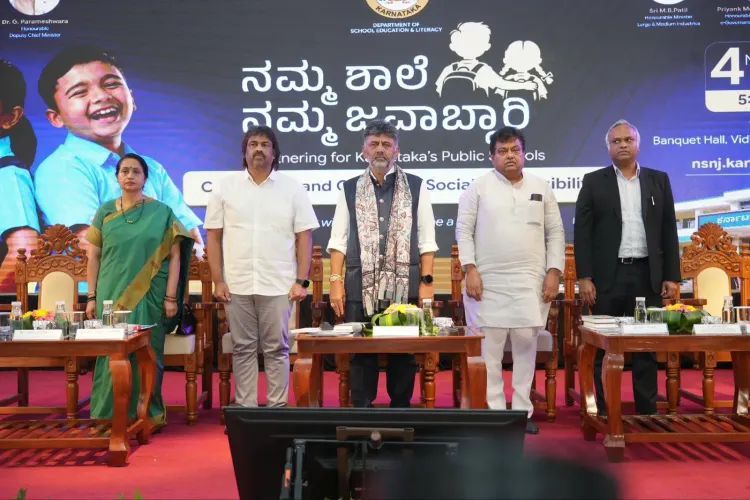
Shivakumar chaired the Individual CSR contributors' meeting at the Banquet Hall, Vidhana Soudha, Bengaluru .
The initiative operates under 'Namma Shale Namma Javabdarri' ('Our School, Our Responsibility'), Karnataka's flagship public-school CSR programme.
Earlier in 2026, 18 organisations had already signed ₹85 crore worth of agreements for 33 schools ; another ₹64 crore in deals for 23 schools are still being processed.
The cumulative programme total now stands at ₹355.10 crore from 45 organisations covering 112 government schools .
The programme leverages the Companies Act 2013 mandate requiring eligible firms to spend 2% of net profits on CSR activities.
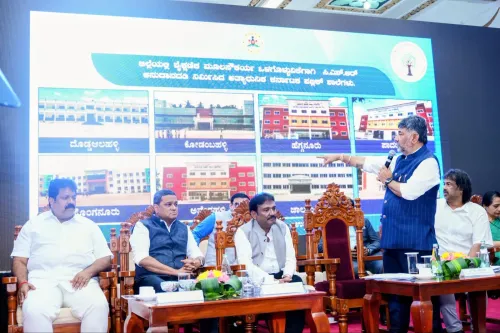
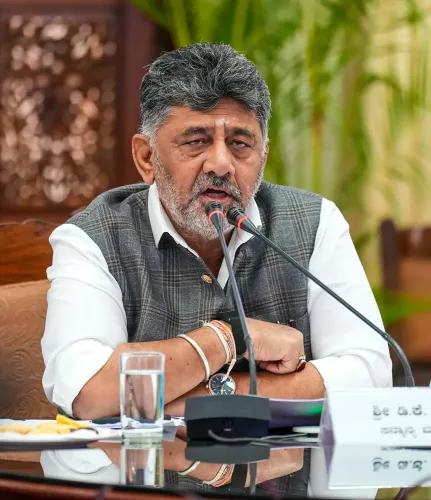
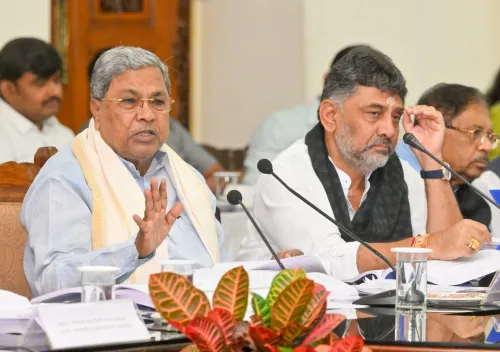
A total of ₹206.10 crore in corporate pledges, 56 government schools, and one clear signal — Karnataka is betting on boardroom wallets to fix classroom walls. The Chief Minister's Office of Karnataka announced on Wednesday, 4 November 2026, that Chief Minister D.K. Shivakumar chaired an Individual CSR contributors' meeting at the Banquet Hall of Vidhana Soudha, Bengaluru, where agreements were signed under the state's flagship school-revival programme.
What Was Signed, and What It Covers
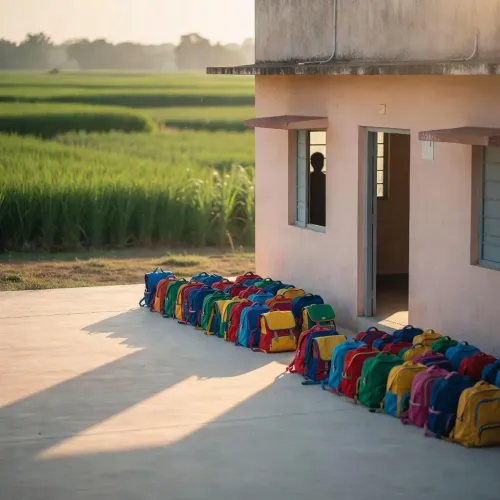
At the meeting, 15 organisations inked agreements worth ₹206.10 crore for the development of 56 government schools across Karnataka. The programme driving this push is 'Namma Shale Namma Javabdarri' — 'Our School, Our Responsibility' — a state initiative that channels Corporate Social Responsibility funds directly into public school infrastructure and quality upgrades.
The event was attended by state ministers, elected representatives, and senior government officials, signalling the administration's intent to treat the drive as a whole-of-government priority, not a niche education department exercise.
The Running Tally: ₹355 Crore and 112 Schools
Today's signing is not an isolated event — it is the largest single-day addition to a rapidly growing pipeline. Earlier in 2026, 18 organisations had already signed agreements worth ₹85 crore for 33 schools. Another 12 organisations are in the pipeline with proposed deals worth ₹64 crore covering 23 more schools.
Added together, the programme now spans commitments from 45 organisations for 112 government schools, with a combined deal value of ₹355.10 crore — a figure that makes it one of the most ambitious state-level CSR-education mobilisations in recent Karnataka history.
The Policy Engine Behind the Push
The legal backbone is the Companies Act 2013, which mandates that eligible companies allocate 2% of their average net profits to CSR activities. Karnataka has structured 'Namma Shale Namma Javabdarri' specifically to intercept that mandated spending and direct it toward government school upgrades — a model other states have attempted but rarely at this scale or with this level of executive visibility.
Vidhana Soudha, the seat of Karnataka's legislature, lending its Banquet Hall to a corporate-signing ceremony is itself a statement: this is governance at the cabinet level, not a departmental side-show.
What Comes Next for the 56 Schools
The immediate watch is implementation. Agreements on paper are one milestone; upgraded classrooms, sanitation blocks, digital labs, and libraries for students are the real deliverable. With agreements for 23 more schools still being processed and state budget cycles ahead, the programme's credibility will ultimately rest on how quickly the signed ₹206.10 crore reaches construction sites — and whether outcomes are publicly tracked.
For now, Karnataka has put a number and a name on the ambition. The classroom test begins next.
Point of View
Agreement-backed partnerships that carry accountability optics. By giving the programme Vidhana Soudha visibility and Chief Ministerial presence, the Siddaramaiah-Shivakumar administration is framing corporate-funded school upgrades as a governance achievement ahead of future electoral cycles. The ₹355.10 crore pipeline is significant, but the real political and policy test will be whether implementation is tracked publicly and outcomes reach students — otherwise the headline numbers risk becoming a CSR branding exercise for both the government and the contributing firms. If it delivers, it sets a reproducible template other state governments may feel pressure to replicate.
NationPress
4 Nov 2026
Frequently Asked Questions
What is 'Namma Shale Namma Javabdarri'?
'Namma Shale Namma Javabdarri' — meaning 'Our School, Our Responsibility' — is a Karnataka government programme that channels Corporate Social Responsibility (CSR) funds from private companies into the development and improvement of government schools across the state.
How much CSR funding has Karnataka raised for government schools in 2026?
Karnataka has raised a total of ₹355.10 crore in CSR commitments from 45 organisations for 112 government schools in 2026, including agreements still being processed.
What was signed at the Vidhana Soudha meeting on 4 November 2026?
On 4 November 2026 , agreements worth ₹206.10 crore were signed with 15 organisations for the development of 56 government schools , at a CSR contributors' meeting chaired by CM D.K. Shivakumar at the Vidhana Soudha Banquet Hall.
What law requires companies to contribute to CSR in India?
The Companies Act 2013 mandates that eligible companies spend at least 2% of their average net profits on CSR activities, which Karnataka is directing toward its government school development programme.
How many government schools will benefit from Karnataka's CSR programme?
A total of 112 government schools across Karnataka are covered by signed agreements, with deals for an additional 23 schools still being finalised, potentially expanding the number further.