Afghanistan landmine blasts killed 257 in 2026: ANDMA
Synopsis
Children accounted for 189 of the 257 people killed in landmine and unexploded ordnance explosions in Afghanistan in 2026, according to local reports. More than 900 square kilometres remains contaminated, while the UN says reduced international funding has curtailed clearance work.
Key Takeaways
Landmine and unexploded ordnance explosions killed 257 people and injured 87 in Afghanistan in 2026 , according to local reports.
Children accounted for 189 deaths and 73 injuries .
More than 900 square kilometres of Afghan land remains contaminated despite clearance operations.
ANDMA said Sar-e-Pul and Bamyan provinces had been completely cleared of landmines and unexploded ordnance.
In July , OCHA said unexploded ordnance killed or injured 50 people a month in Afghanistan and warned that reduced funding had curtailed clearance.
About 33 lakh people in Afghanistan live near contaminated areas.
Landmine and unexploded ordnance explosions killed 257 people and injured 87 across Afghanistan in 2026, local media reported on 23 November, citing disaster management authorities. Children accounted for 189 deaths and 73 injuries, making them the majority of those affected.
The figures come as more than 900 square kilometres of land remains contaminated despite continuing clearance operations. Residents in several provinces have called for contaminated land to be cleared.
Children make up most casualties
Yousuf Hammad, a spokesperson for the Afghanistan National Disaster Management Authority (ANDMA), told local broadcaster Tolo News that 344 people had been killed or injured since the start of 2026.
“Since the beginning of 2026, a total of 344 people have been killed or injured in landmine and unexploded ordnance explosions across the country, with children making up the majority of the victims,” Hammad was quoted as saying.
The reported child toll of 262 killed or injured represents more than three-quarters of the total. The figures cover deaths and injuries together; they do not indicate how many separate explosions occurred.
Clearance progress and remaining risks
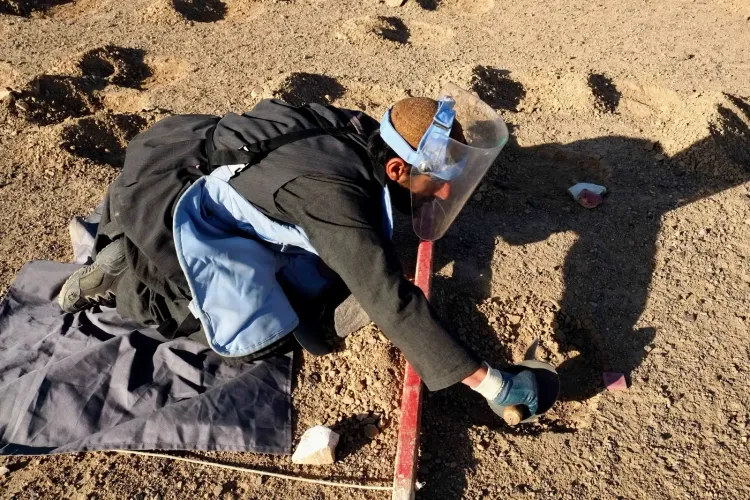
According to ANDMA, Sar-e-Pul and Bamyan provinces have been completely cleared of landmines and unexploded ordnance. Elsewhere, contamination left by decades of armed conflict continues to pose a threat.
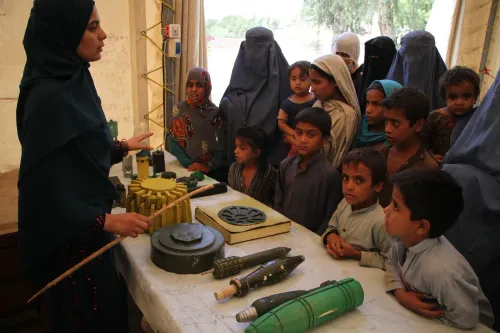
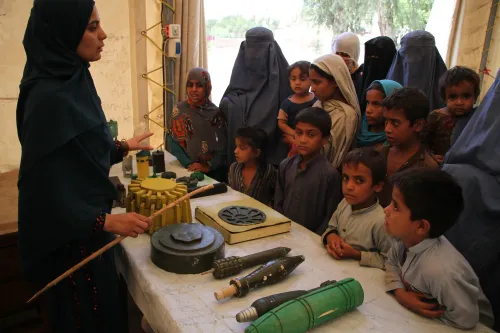
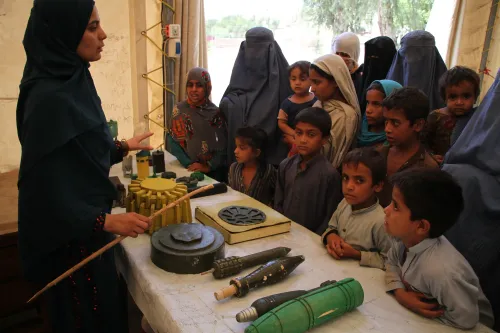
About 33 lakh people in Afghanistan live near contaminated areas, according to the report. The proximity means residents continue to face risks even as clearance work proceeds in other parts of the country.
Haroon Yousufi, a resident of Kandahar, said the landmine threat had also negatively affected the mental well-being of Afghans. Residents from various provinces have sought the clearance of affected land.
UN warning on funding and unexploded ordnance
In July, the United Nations Office for the Coordination of Humanitarian Affairs (OCHA) said 50 people were killed or injured each month in Afghanistan by unexploded ordnance left after decades of conflict. It said children made up nearly 80% of those victims.
That earlier monthly figure concerned unexploded ordnance, while the later ANDMA total covers both landmines and unexploded ordnance. The two figures therefore describe related but not identical categories.
OCHA urged that Afghans should be able to live safely without the threat of explosive remnants of war. It also said reduced international funding had curtailed mine-clearance operations, even as contaminated land continued to endanger civilians.
Clearance remains a challenge
OCHA described demining and explosive ordnance disposal programmes as among the most effective life-saving humanitarian activities in Afghanistan. The reported clearance of Sar-e-Pul and Bamyan sits alongside the continuing threat across more than 900 square kilometres elsewhere.
The source did not provide a timetable for clearing the remaining contaminated land. Further clearance will remain relevant to residents living near affected areas and to efforts to prevent additional casualties.
Point of View
But it cannot obscure the danger facing people near remaining contaminated areas. The reported funding decline makes sustained support and transparent tracking of clearance progress essential to reducing that risk.
NationPress
23 Nov 2026
Frequently Asked Questions
How many people were killed by landmines in Afghanistan in 2026?
Landmine and unexploded ordnance explosions killed 257 people and injured 87 in Afghanistan in 2026, according to local reports citing disaster management authorities.
How many children were affected by Afghanistan landmine explosions?
Children accounted for 189 deaths and 73 injuries in the reported 2026 toll. That is 262 of the 344 people killed or injured.
How much land in Afghanistan remains contaminated by explosives?
More than 900 square kilometres remains contaminated by landmines and unexploded ordnance. About 33 lakh people live near contaminated areas.
Which Afghan provinces have been cleared of landmines?
ANDMA says Sar-e-Pul and Bamyan provinces have been completely cleared of landmines and unexploded ordnance. Contamination remains elsewhere in Afghanistan.
Why have mine-clearance operations in Afghanistan been reduced?
OCHA says declining international funding has reduced mine-clearance operations in Afghanistan. The source gives no timetable for clearing the remaining contaminated land.