African lawmakers convene in Nairobi to tackle methane emissions across continent
Synopsis
Africa's first-ever continental summit dedicated solely to methane brought together lawmakers from 21 nations in Nairobi — a signal that the continent is moving from broad climate pledges to specific, legislatively enforceable action. With agriculture, waste, and energy all on the agenda, the three-day meeting could set the template for how African parliaments domesticate the Global Methane Pledge.
Key Takeaways
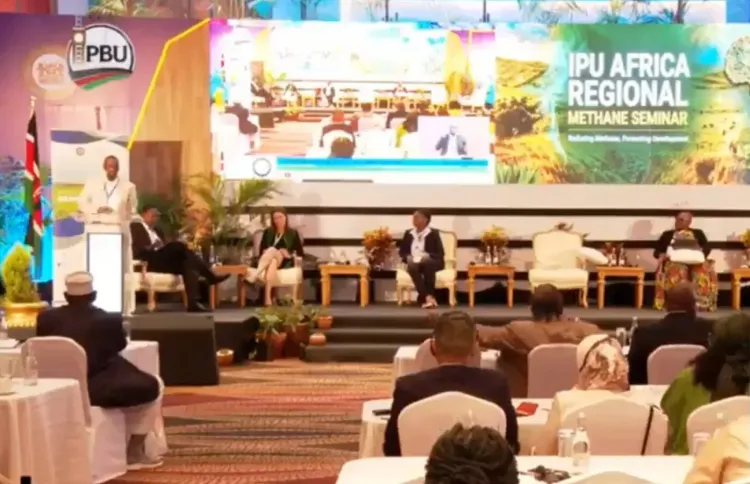
The first-ever Africa-wide methane summit opened in Nairobi on 16 May 2025 , running for three days.
More than 100 delegates from 21 African countries are attending, including lawmakers and global environmental experts.
The conference is co-organised by the Inter-Parliamentary Union (IPU) , the Parliament of Kenya , Climate Parliament , and UNEP .
IPU Secretary-General Martin Chungong warned that unchecked methane emissions directly threaten progress on the SDGs , including health and food security.
UNEP's Takehiro Nakamura called for an immediate, unified legislative response, noting that methane is already causing severe localised climate disruptions across Africa.
Sessions cover agriculture, waste systems, decentralised energy, and legislative frameworks for methane reduction.
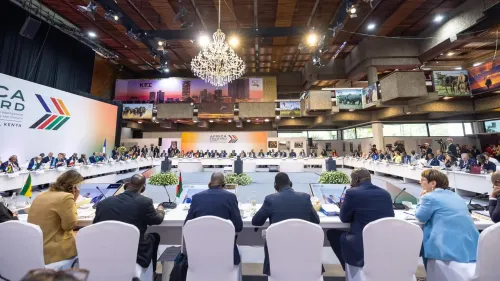
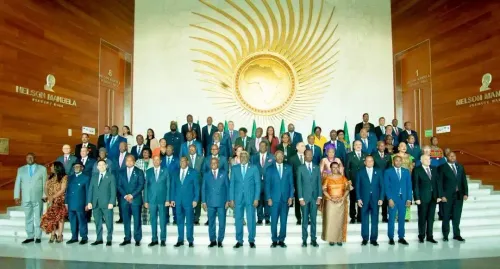
More than 100 delegates from 21 African countries, including parliamentarians and global environmental experts, gathered in Nairobi on Friday, 16 May 2025 for a landmark three-day conference dedicated to reducing methane emissions while protecting the continent's economic growth. The summit, the first-ever regional meeting in Africa focused exclusively on methane, is being held under the joint stewardship of the Inter-Parliamentary Union (IPU), the Parliament of Kenya, Climate Parliament, and the United Nations Environment Programme (UNEP).
Why This Summit Is Significant
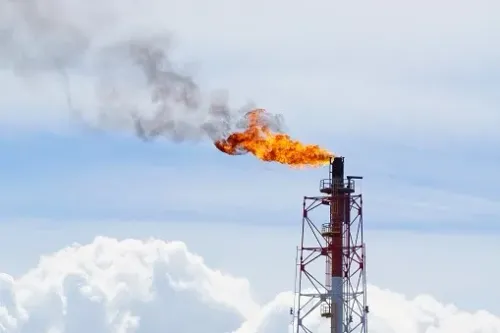
Methane is a potent short-lived climate pollutant — far more powerful than carbon dioxide over a 20-year horizon — making rapid reductions critical to slowing near-term warming. Africa, despite contributing a relatively small share of historical global emissions, faces disproportionately severe climate disruptions, from erratic rainfall to food insecurity, that threaten development gains accumulated over decades.
This is the first time African legislators have convened at a continental level specifically to legislate on methane, signalling a shift from broad climate pledges to sector-specific, enforceable policy action.
Key Voices at the Opening Session
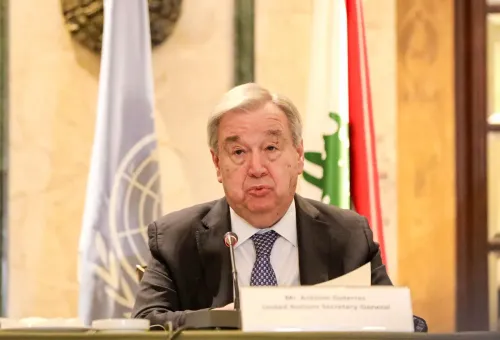
Martin Chungong, Secretary-General of the IPU, warned in his opening remarks that failing to curb methane emissions directly jeopardises global progress on the Sustainable Development Goals (SDGs), particularly those linked to health, food security, and climate action. He urged delegates to draw on regional experiences and foster South-South cooperation as a practical mechanism for managing climate change.
'Embrace regional experiences and help inspire South-South cooperation as a way of managing climate change,' Chungong told assembled delegates.
Takehiro Nakamura, head of the UNEP International Environmental Technology Centre, stressed that methane emissions are already driving severe, localised climate disruptions across Africa and called for an immediate, unified response from state leaders. He underscored that lawmakers hold the legislative and budgetary authority needed to convert broad climate ambitions into enforceable national policies.
Agenda and Session Highlights
The first day featured sessions on climate change projections and impacts in Africa, the specific methane challenge on the continent, and the role of agricultural systems — a major methane source through livestock and rice cultivation — in accelerating emissions. The second day is scheduled to address waste management systems and their methane footprint, as well as decentralised energy pathways for methane reduction. The third day is expected to focus on legislative frameworks and concrete action plans delegates can carry back to their national parliaments.
The Broader Policy Stakes
Climate experts and policy analysts at the summit argued that environmental protection must be treated as a fundamental legislative duty tied to public welfare, particularly given that climate change disproportionately affects vulnerable and low-income populations across the continent. This comes amid growing global momentum — including the Global Methane Pledge signed by over 150 countries — to cut methane emissions by 30% by 2030 relative to 2020 levels. African nations have largely endorsed the pledge, but implementation at the national legislative level has remained uneven.
The outcomes of this Nairobi summit could set the template for how African parliaments translate continental commitments into domestic law, with the next critical test being each nation's updated Nationally Determined Contributions (NDCs) under the Paris Agreement.
Point of View
But because this is the first time African legislators — rather than diplomats or ministers — have been placed at the centre of the solution. Parliaments hold the budget and the statute book; without them, climate pledges remain aspirational. The real measure of success will be how many of the 21 participating countries introduce or amend methane-specific legislation within 12 months of the summit. Past continental climate gatherings have produced communiqués that gathered dust; this one's value lies entirely in what lawmakers do when they return home.
NationPress
28 Sept 2026
Frequently Asked Questions
What is the Nairobi methane summit and who organised it?
It is a three-day conference that began on 16 May 2025 in Nairobi, Kenya, bringing together parliamentarians from 21 African countries to develop strategies for reducing methane emissions while protecting economic growth. The summit is co-organised by the Inter-Parliamentary Union (IPU), the Parliament of Kenya, Climate Parliament, and the United Nations Environment Programme (UNEP).
Why is methane reduction particularly urgent for Africa?
Methane is a potent short-term climate pollutant that accelerates warming far faster than carbon dioxide over a 20-year period, triggering severe localised disruptions — erratic rainfall, food insecurity, and health crises — that disproportionately affect Africa's vulnerable populations. According to UNEP's Takehiro Nakamura, these disruptions are already under way and demand an immediate, unified legislative response.
What topics are being discussed at the summit?
The three-day agenda covers climate change projections and impacts in Africa, the methane challenge and ways to speed up climate action, agricultural systems as a methane source, waste management and its methane footprint, and decentralised energy systems as a pathway to methane reduction. Legislative frameworks for translating commitments into national policy are also on the schedule.
Who are the key figures speaking at the summit?
Martin Chungong, Secretary-General of the IPU, delivered the opening address, warning that unchecked methane emissions threaten SDG progress on health, food security, and climate action. Takehiro Nakamura, head of the UNEP International Environmental Technology Centre, called on lawmakers to use their legislative and budgetary powers to enforce climate goals.
How does this summit connect to global methane commitments?
Over 150 countries have signed the Global Methane Pledge, targeting a 30% reduction in methane emissions by 2030 relative to 2020 levels. The Nairobi summit aims to bridge the gap between that international commitment and enforceable domestic legislation in African nations, with updated Nationally Determined Contributions under the Paris Agreement serving as a near-term benchmark.